Tampa homeowners and business owners face a real and recurring threat: hurricanes and tropical storms that can tear through roofing systems in hours. When storm damage occurs, knowing how to respond quickly — and correctly — can mean the difference between a simple roof repair and a full roof replacement. This guide walks you through everything you need to know about hurricane-resistant roof repairs in Tampa, from assessing damage to choosing the right materials for long-term protection. Tampa sits in one of the most hurricane-active corridors in the United States. Located along Florida's Gulf Coast, the Tampa Bay region is consistently exposed to tropical storms, Category 1 through Category 4 hurricanes, and the intense wind-driven rain events that accompany them. The Florida Building Code reflects this reality — it mandates some of the strictest roofing standards in the country specifically because of Gulf Coast exposure. Wind speeds in a Tampa hurricane can exceed 130 mph. At those speeds, standard roofing materials fail. Shingles lift, underlayment tears, and flashing separates from structures. Water intrusion follows within minutes, causing damage that extends far beyond the roof itself — into attics, walls, insulation, and electrical systems. This is why hurricane-resistant roof repairs are not just a smart investment in Tampa — they are a necessity. After a hurricane or tropical storm passes, begin with a ground-level visual inspection before accessing your roof. Look for the following signs of storm damage: Inside your home or building, check for water stains on ceilings, damp insulation in the attic, and any signs of active leaking. Document everything with photos before any repairs begin — this is critical for insurance claims in Hillsborough County and the broader Tampa region. If you observe any structural damage, significant shingle loss, or active water intrusion, contact a licensed Tampa roofing contractor immediately. In Florida, all roofing contractors must hold a state-issued license. Verify credentials before signing any contract, especially in the weeks following a major storm when unlicensed contractors often flood affected areas. For residential properties, impact-rated asphalt shingles rated Class 3 or Class 4 are among the most cost-effective hurricane-resistant options. These shingles are tested to withstand hail and wind-driven debris at speeds that match Tampa's storm conditions. Many Tampa homeowners qualify for insurance premium discounts when these shingles are installed with proper wind mitigation documentation. Metal roofing has become increasingly popular in Tampa because of its exceptional wind resistance. Standing seam metal roofs, in particular, can withstand sustained winds of 140 mph or more when properly installed. They also offer longevity — typically 40 to 70 years — making them a strong long-term value compared to repeated shingle replacements after each storm season. Tile roofing is a visual staple across the Tampa Bay area and performs well in high-wind environments when installed correctly. Tiles must be properly fastened with hurricane clips or mortar to prevent uplift. Cracked or missing tiles after a storm should be repaired promptly — even a few missing tiles can allow water intrusion that escalates quickly. Commercial roofing in Tampa requires specific consideration for flat or low-slope roof systems. TPO, EPDM, and modified bitumen membranes are common choices for commercial properties, but their hurricane resistance depends heavily on proper installation and adherence to Florida Building Code wind uplift requirements. For commercial roofing projects in Tampa, contractors must design systems that meet the local wind speed design criteria, which are among the highest in the continental United States. One of the most important decisions Tampa property owners face after storm damage is whether to repair or replace the roof entirely. The answer depends on several factors: In the immediate aftermath of a storm, licensed Tampa roofing contractors typically begin with emergency tarping to prevent further water intrusion. This temporary measure protects the interior while a full damage assessment is completed. Document the tarping with photos and retain receipts — these costs are generally reimbursable under homeowners insurance policies. In Hillsborough County and the City of Tampa, most roof repairs and all roof replacements require a permit. This is not optional — unpermitted roofing work can void your homeowners insurance coverage and create complications when you sell the property. A reputable Tampa roofing contractor will pull all required permits and schedule necessary inspections before work begins. After a major hurricane, demand for roofing contractors in Tampa surges rapidly. Emergency repairs can often begin within 24 to 72 hours, but full repairs or replacements may be scheduled weeks out depending on the volume of storm damage in the region. Getting on a contractor's schedule early is critical — contact multiple licensed roofers immediately after the storm to secure your spot. Storm events bring out fraudulent contractors. Here is how to verify you are working with a legitimate Tampa roofing professional: Minor repairs such as replacing a small section of shingles or sealing flashing typically range from $300 to $1,500. Moderate damage repairs can run $1,500 to $5,000. Extensive damage requiring partial or full roof replacement in Tampa typically ranges from $8,000 to $20,000 or more, depending on roof size, pitch, and material selection. Commercial roofing projects vary significantly based on square footage and system type. Most standard homeowners insurance policies in Florida cover hurricane wind damage, but policies vary widely. Florida law requires separate windstorm deductibles in many coastal areas. Review your policy carefully and contact your insurer promptly after storm damage occurs. A licensed public adjuster can help maximize your claim. A standard residential roof replacement in Tampa typically takes one to three days for an experienced crew. Larger homes, complex roof geometries, or commercial roofing projects may take longer. Weather windows must also be factored in during active storm seasons. Under the Florida Building Code, most Tampa area properties require roofing systems designed for a minimum wind speed of 130 mph. Coastal and high-exposure areas may require higher ratings. Your roofing contractor should confirm the specific wind speed design requirement for your property's location and exposure category. Hurricane-resistant roof repairs are not just about fixing what is broken — they are about building resilience into your property so the next storm causes less damage than the last. Whether you are addressing minor shingle damage or evaluating a full roof replacement, working with a licensed Tampa roofing contractor who understands Florida Building Code requirements and local wind exposure is the most important step you can take. Tampa's storm season does not pause. The time to evaluate your roof's condition and hurricane readiness is before the next storm — not after it. Contact a licensed Tampa roofing professional today for an inspection and get ahead of the next hurricane season with confidence.Complete Guide to Hurricane-Resistant Roof Repairs in Tampa
Why Tampa's Climate Demands Hurricane-Resistant Roofing
How to Assess Roof Damage After a Tampa Storm
Start With a Safe Visual Inspection
When to Call a Licensed Tampa Roofing Contractor
Hurricane-Resistant Roofing Materials for Tampa Homes and Buildings
Impact-Rated Asphalt Shingles
Metal Roofing Systems
Concrete and Clay Tile
Commercial Roofing Systems Built for Florida Wind Loads
Roof Repair vs. Roof Replacement After Hurricane Damage in Tampa
The Roof Repair Process in Tampa: What to Expect
Emergency Tarping and Temporary Repairs
Permitting Requirements in Tampa
Timeline for Storm Repair Work
How to Choose a Trustworthy Roof Repair Contractor in Tampa
Frequently Asked Questions About Roof Repairs in Tampa
How much do roof repairs cost in Tampa after a hurricane?
Does homeowners insurance cover hurricane roof damage in Tampa?
How long does a roof replacement take in Tampa?
What wind rating should a Tampa roof meet?
Protect Your Tampa Property With the Right Roofing Solution
Back to Resources
Complete Guide to Hurricane-Resistant Roof Repairs in Tampa
Askable8 min readTampa, FL
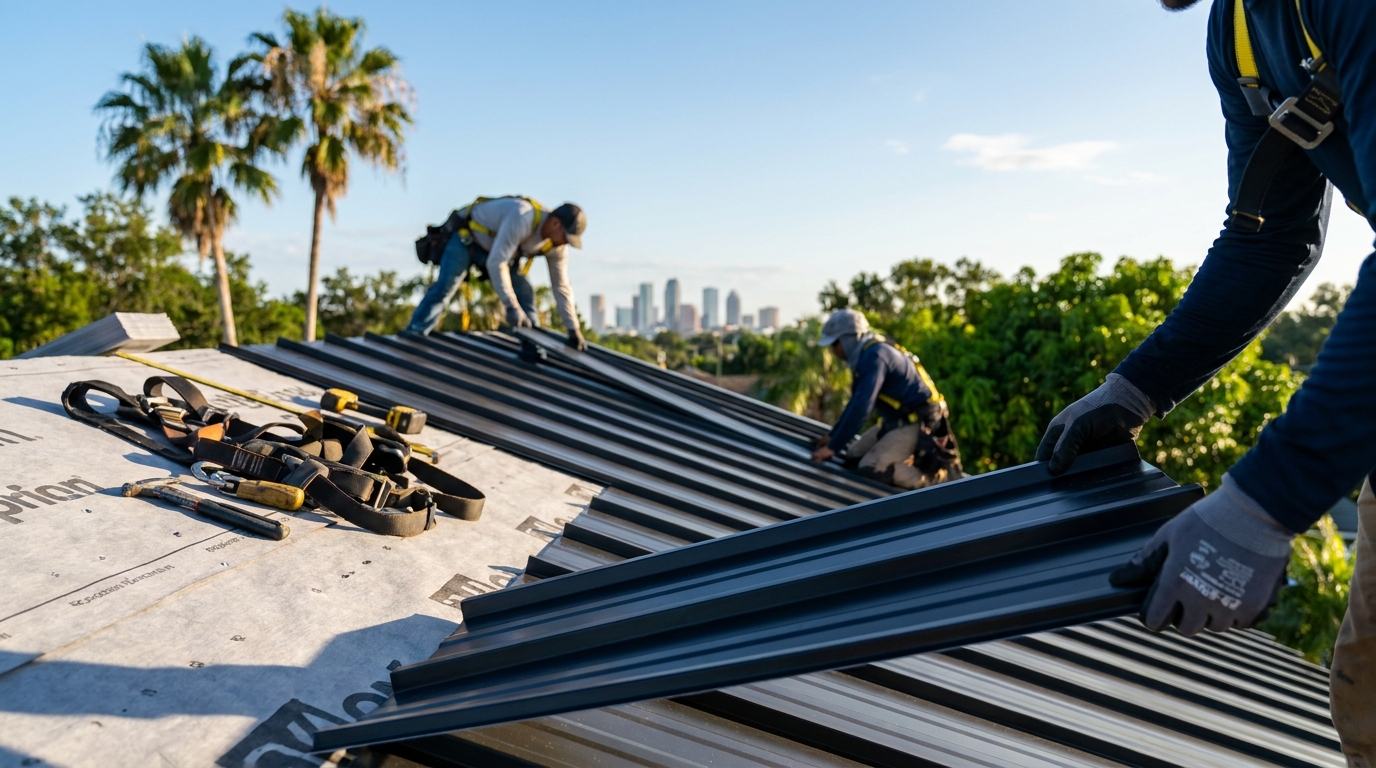
Need a Roofer in Tampa?
SCM Roofing offers free inspections and estimates — no obligation.
Related Articles
View all in category
Red Flags When Hiring Tampa Roofers: Warning Signs to Avoid
Learn the warning signs of roofing scams in Tampa, from storm chasers to unlicensed contractors offering deals that seem too good to be true.
Askable7 min readTampa, FL
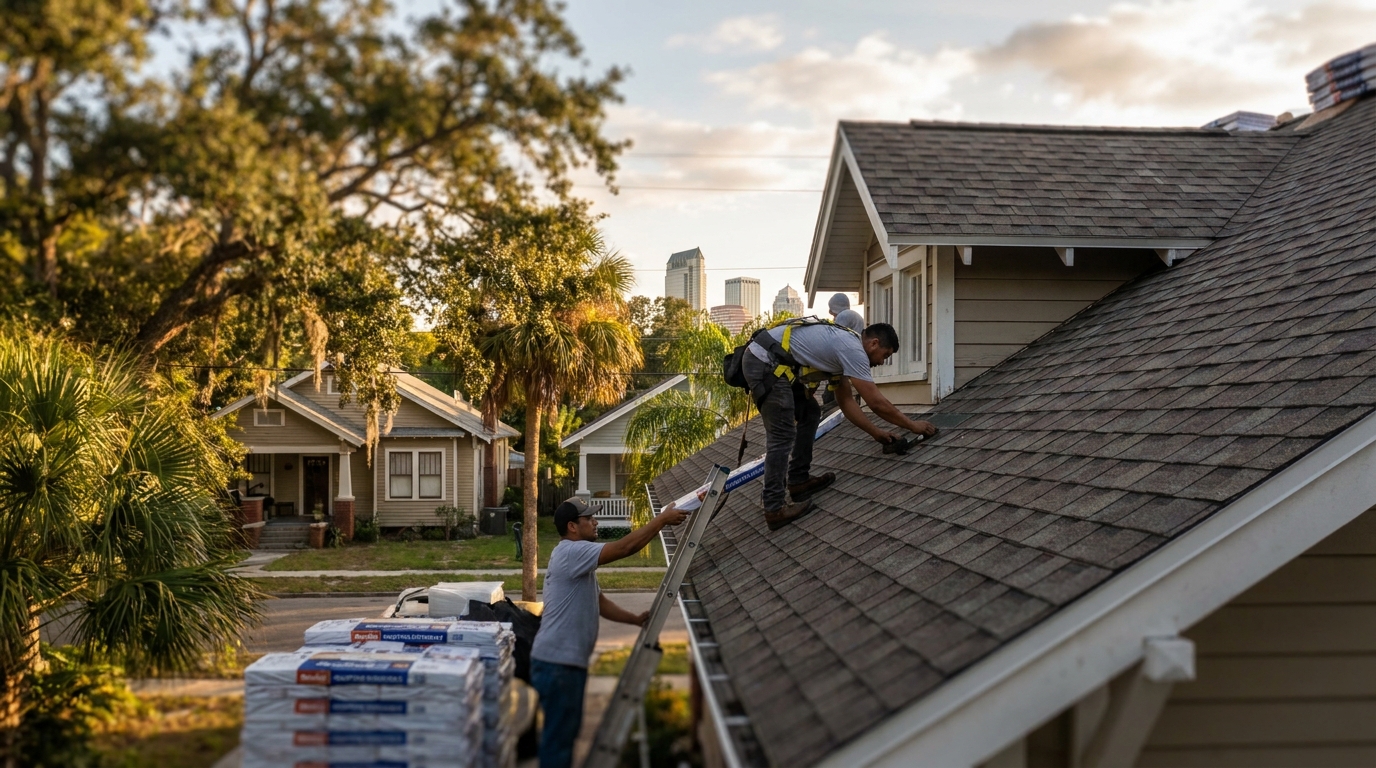
Roof Installation Timeline: How Long Does It Take in Tampa Heights, Tampa?
Most residential roof installations in Tampa take 1-3 days of active work, but the full project typically runs 2-6 weeks from contract to completion.
Askable7 min readTampa, FL
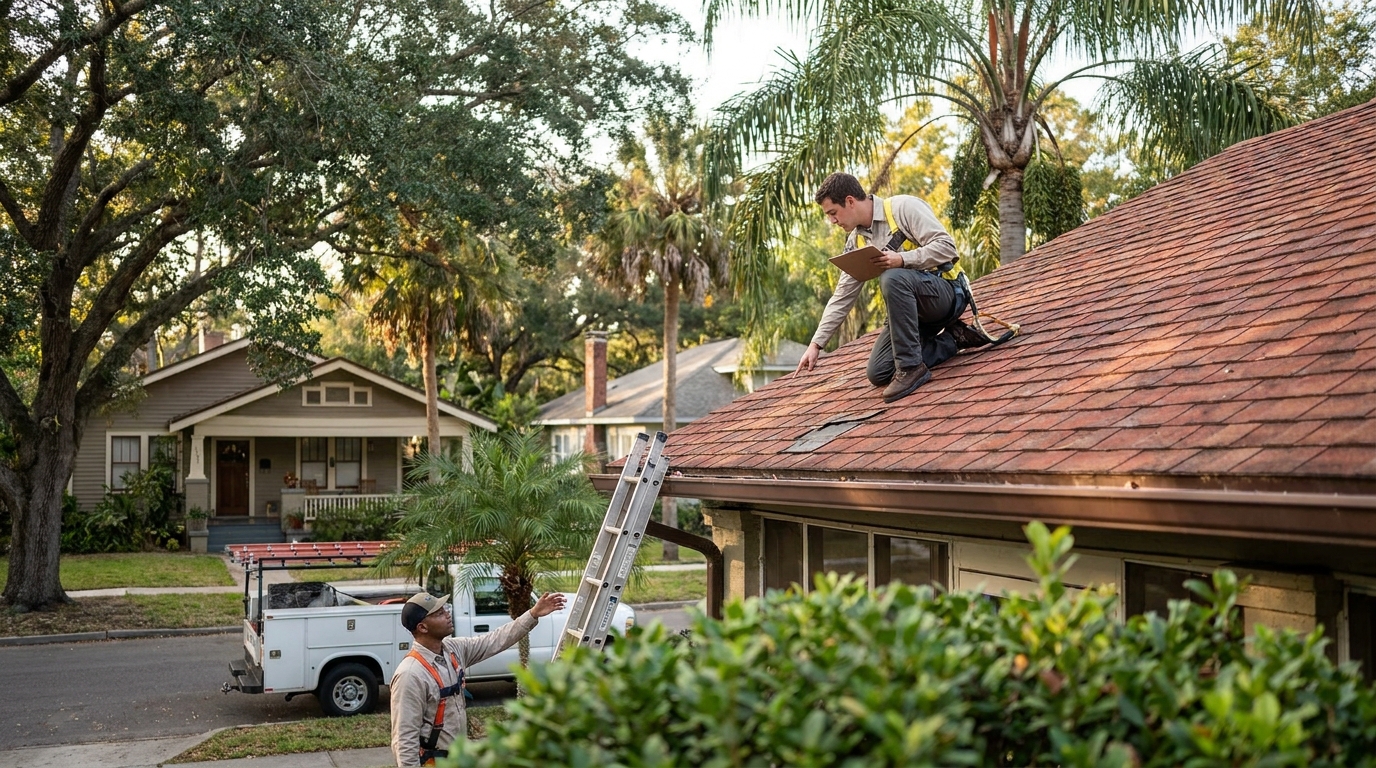
How Much Does Roof Inspection Cost in Hyde Park, Tampa: 2026 Pricing Guide
Most residential roof inspections in Tampa are free in 2026, though paid professional reports for insurance or real estate cost $100-250.
Askable9 min readTampa, FL