Signs Your Sarasota Home Needs Roof Replacement vs Repair
A few missing shingles after a storm. Some discoloration around a vent. Maybe a water stain creeping across your ceiling. These are the moments Sarasota homeowners dread — not because the damage itself is necessarily catastrophic, but because of the question that follows: Is this a repair or a replacement?
The answer matters financially, practically, and structurally. Getting it wrong in either direction costs you. Patch a roof that needed replacing and you're back on the phone six months later. Replace a roof that only needed a targeted fix and you've spent tens of thousands of dollars you didn't have to.
Here's how to think through the decision clearly — with the help of a solid roof damage assessment and an understanding of what Sarasota's climate actually does to roofing systems over time.
Why Sarasota's Climate Changes the Calculus
Roofing decisions in Sarasota aren't the same as roofing decisions in Ohio. The Gulf Coast environment accelerates wear in specific, predictable ways.
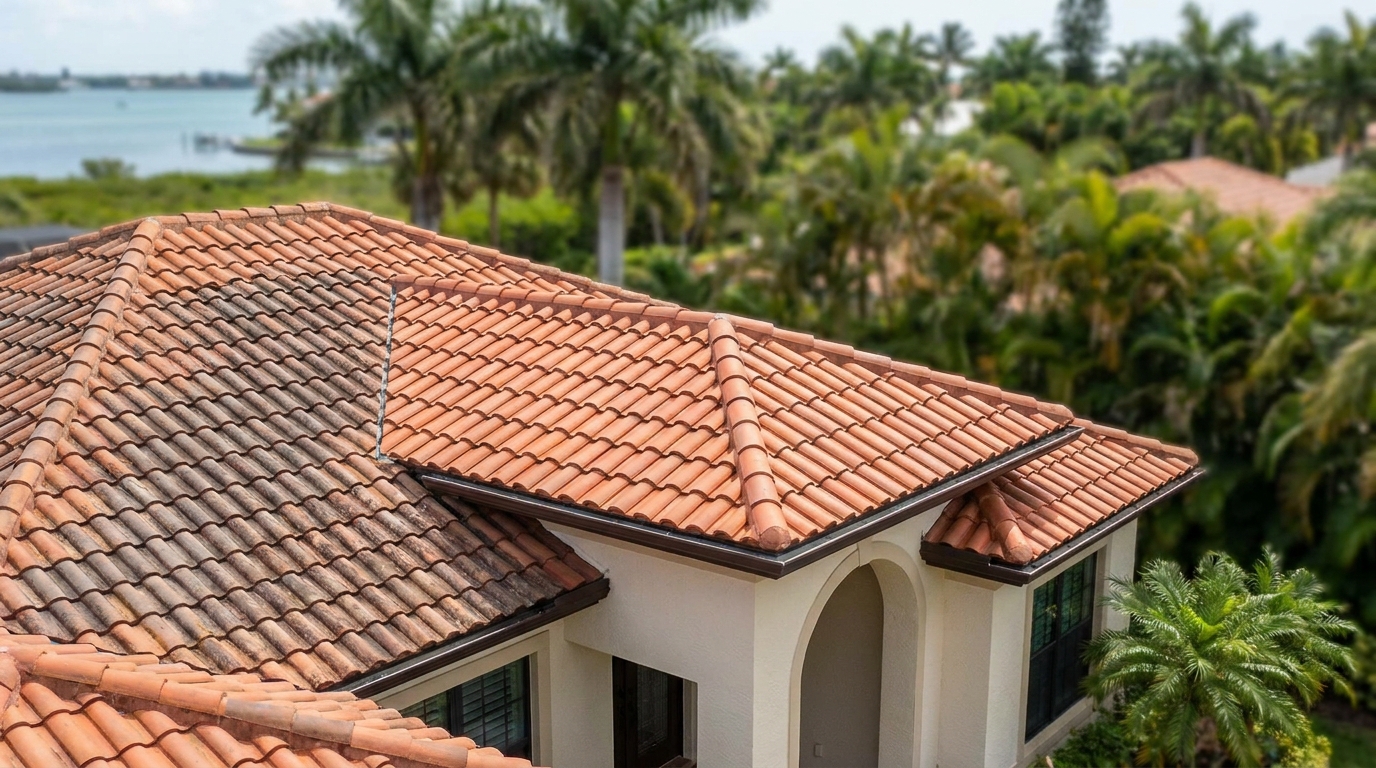
UV exposure here is relentless. Shingles lose their protective granules faster than in northern climates, which shortens effective lifespan and makes your roof more vulnerable to heat damage and leaks. Add seasonal hurricane-force winds, heavy rain events, and the humidity that promotes algae and mold growth — and you have a set of stressors that compound each other.
A roof that looks cosmetically fine may be structurally compromised. And a roof with visible storm damage may be structurally sound underneath. Neither assumption holds without proper inspection. That distinction is central to any honest roof damage assessment in this market.
Signs You Probably Need a Repair
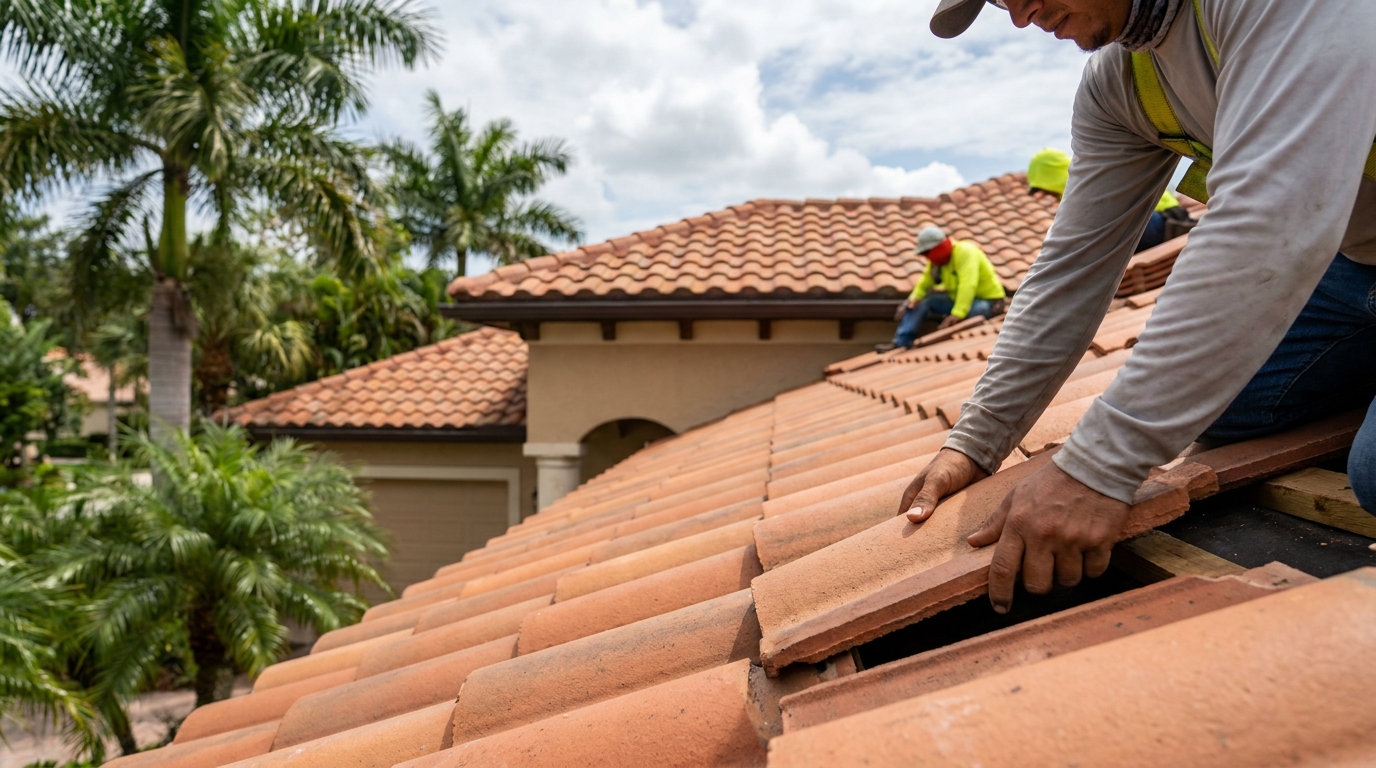
Repairs make sense when the damage is isolated, the underlying structure is sound, and the roof has meaningful useful life remaining. Here are the situations where repair is typically the right call:
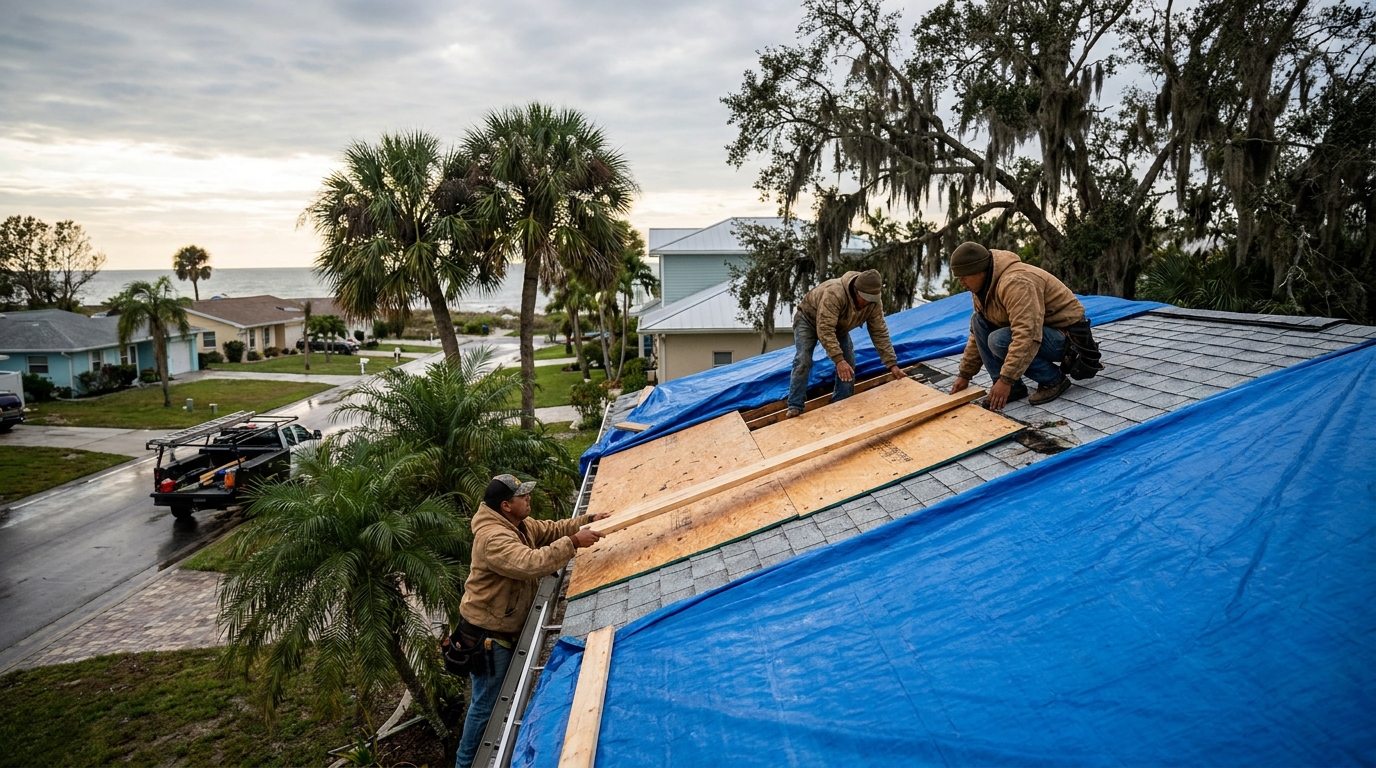
- Storm damage to a small area: If wind or a falling branch damaged a defined section — say, less than 25–30% of the total roof surface — and the rest of the roof is in good condition, targeted repair is usually appropriate.
- A single leak source: One leak, one identifiable cause (a failed pipe boot, a cracked flashing joint, a handful of lifted shingles) is a repair job, not a replacement trigger.
- Roof age under 10–12 years: If your roof is relatively young and otherwise performing well, repairs are almost always the right starting point.
- No signs of deck damage: If inspection reveals that the sheathing and decking underneath are dry, structurally solid, and free of rot, you're not looking at a systemic failure.
The key word in all of these: isolated. Repair works when the problem has clear boundaries.
Signs You're Looking at a Full Roof Replacement
This is where homeowners sometimes need a reality check — because no one wants to hear they need a full replacement. But ignoring the signals doesn't make them go away. Here's when replacement is the honest answer:
Your Roof Is Past Its Useful Life
In Sarasota's climate, standard 3-tab asphalt shingles typically reach the end of their reliable service life around 15–20 years. Architectural shingles can last longer — often 25–30 years with proper ventilation — but age matters regardless of how things look from the street.
If your roof is approaching or past these thresholds, repair after repair starts to become a financial trap. You're spending money maintaining something that's already in decline.
Widespread Granule Loss
Granules are the protective coating that shields asphalt shingles from UV degradation. When you see significant granule accumulation in your gutters — not just a little after installation, but ongoing heavy shedding — the shingles are telling you they're done. This is a whole-roof condition, not a patchable one.
Multiple Leak Points
One leak is a problem. Three or four leaks across different areas of the roof is a pattern. Patterns indicate systemic failure, not isolated damage. Repairing each spot individually is an expensive way to delay the inevitable.
Visible Sagging or Deck Damage
Any sagging in the roofline, soft spots when walked, or visible deck rot discovered during inspection means the damage has moved past the surface layer. At this point, replacement isn't optional — it's structural.
Storm Damage Affecting More Than 30% of the Roof
Post-hurricane inspections in Sarasota frequently reveal damage that qualifies for insurance claims and warrants full replacement. When more than roughly a third of your roof surface is compromised, the cost-benefit math shifts decisively toward replacement — both financially and for long-term performance.
The Hidden Cost Trap: Repair Now, Replace Anyway Later
The most common and expensive mistake homeowners make is choosing repair on a roof that needed replacement — usually because the upfront cost felt more manageable.
The problem: labor costs add up with each return visit, new shingles rarely match weathered ones perfectly, and each repair is an opportunity for a contractor to find additional damage. Two or three rounds of repairs over two years can approach or exceed the cost of a replacement — without the warranty, the clean slate, or the peace of mind.
Experts at SCM Roofing, LLC see this scenario regularly in Sarasota. Their approach to inspections is straightforward: give homeowners an honest picture of what they're actually dealing with, not a recommendation shaped by what's easiest to sell.
One customer wrote that SCM Roofing stood out from competitors because the "contract was not one-sided" and that "customer service was outstanding" — the kind of transparency that matters when you're trying to make a $10,000+ decision with confidence.
How to Get a Reliable Roof Damage Assessment in Sarasota
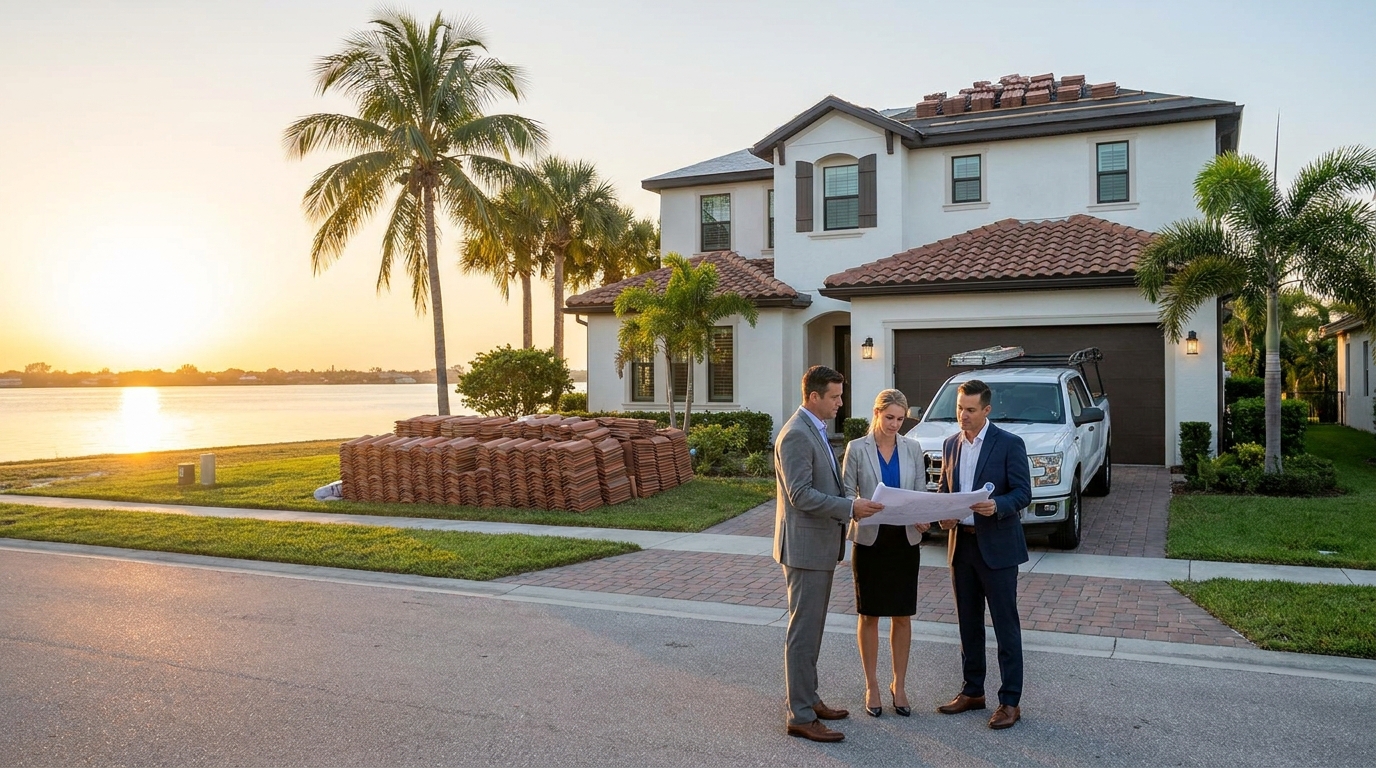
Not all inspections are equal. Here's what a thorough assessment should include:
- Interior inspection: Attic check for moisture, staining, daylight penetration, and adequate ventilation.
- Deck evaluation: Visual and physical assessment of sheathing condition.
- Surface inspection: Shingle condition across all slopes — granule loss, cracking, cupping, blistering.
- Flashing review: Around chimneys, vents, skylights, and wall intersections, where the majority of leaks originate.
- Documentation: Photos and a written report, not just a verbal summary.
If a contractor walks your yard, glances at the roofline, and hands you a quote in five minutes — get a second opinion. A real assessment takes longer and involves more than a ground-level look.
What Replacement Costs Look Like in Sarasota in 2026
As of 2026, full roof replacement on a typical Sarasota single-family home generally runs between $12,000 and $25,000 depending on square footage, material choice, pitch complexity, and whether underlayment and decking need replacement.
Architectural shingles — the standard for most Florida replacements — offer a reasonable balance of durability, cost, and wind resistance ratings. Impact-resistant options cost more upfront but can translate to insurance premium reductions worth factoring into your total cost analysis.
Repair costs vary widely based on scope, but isolated repairs typically run $400–$2,500. The moment you're approaching multiple repairs or the $3,000+ range, a formal replacement estimate becomes a necessary comparison point.
Frequently Asked Questions
Can I repair just part of my roof and leave the rest?
Yes — if the rest of the roof is genuinely in good condition and the replacement section can be matched reasonably well. The concern is cosmetic mismatch and the risk that the untouched sections are closer to failure than they appear. A thorough inspection will tell you what's actually there.
How do I know if my Sarasota roof has hurricane damage worth claiming?
Wind and impact damage from storms often isn't visible from the ground. Lifted shingles, cracked decking, damaged flashing, and granule loss from impact are all insurance-eligible damage types. A professional inspection with photo documentation is your starting point for any claim.
Does a newer roof always mean I don't need replacement?
Not necessarily. Installation quality matters as much as age. Improperly installed roofs — wrong nail patterns, inadequate underlayment, poor ventilation design — can fail well before their expected lifespan. If your roof was installed cheaply or improperly, age alone doesn't tell the whole story.
What's the difference between repair and maintenance?
Maintenance is proactive — clearing gutters, trimming overhanging branches, sealing minor gaps before they become leaks. Repair is reactive — addressing damage that's already occurred. Both matter, and a maintained roof will often stay in the repair-eligible category longer than a neglected one.
Is it worth getting multiple quotes for a roof replacement?
Yes. Not because the lowest price is right, but because multiple assessments give you a clearer picture of what you're actually dealing with. If three contractors tell you different things about the same roof, that's information worth having before you commit.
How does a GAF Master Elite certification affect my decision when choosing a roofing contractor?
GAF Master Elite is a credentialed designation held by fewer than 2% of roofing contractors nationally. It matters for two practical reasons: certified contractors can offer stronger manufacturer warranties, and the certification requires ongoing training and licensing verification. When you're committing to a $12,000–$25,000 replacement, working with a certified contractor adds a layer of accountability that an uncredentialed bidder cannot match.
Should I file a homeowner's insurance claim for roof damage, or just pay out of pocket?
File a claim when the damage was caused by a sudden event — storm, wind, or impact — and the repair or replacement cost meaningfully exceeds your deductible. Pay out of pocket for wear-and-tear issues, which insurers typically exclude. A professional inspection with photo documentation helps you determine whether damage is storm-related before you decide, protecting you from a denied claim.
Making the Call
The repair-versus-replacement question doesn't have a universal answer. It depends on your roof's age, the extent and location of damage, the integrity of the deck, and an honest look at how much useful life is realistically left.
What it doesn't depend on is pressure or guesswork. A good inspection gives you the information to make the call confidently — whether that means a targeted repair this week or a full replacement planned for the coming months.
Sarasota homeowners who want a professional assessment from a contractor with a clear track record for transparency can reach SCM Roofing, LLC at scmroofingfl.com. Their 4.9-star rating across nearly 239 Google reviews reflects consistent feedback around honest communication and quality installation — two things that matter a great deal when you're deciding how much to spend on your home's most important protective system.