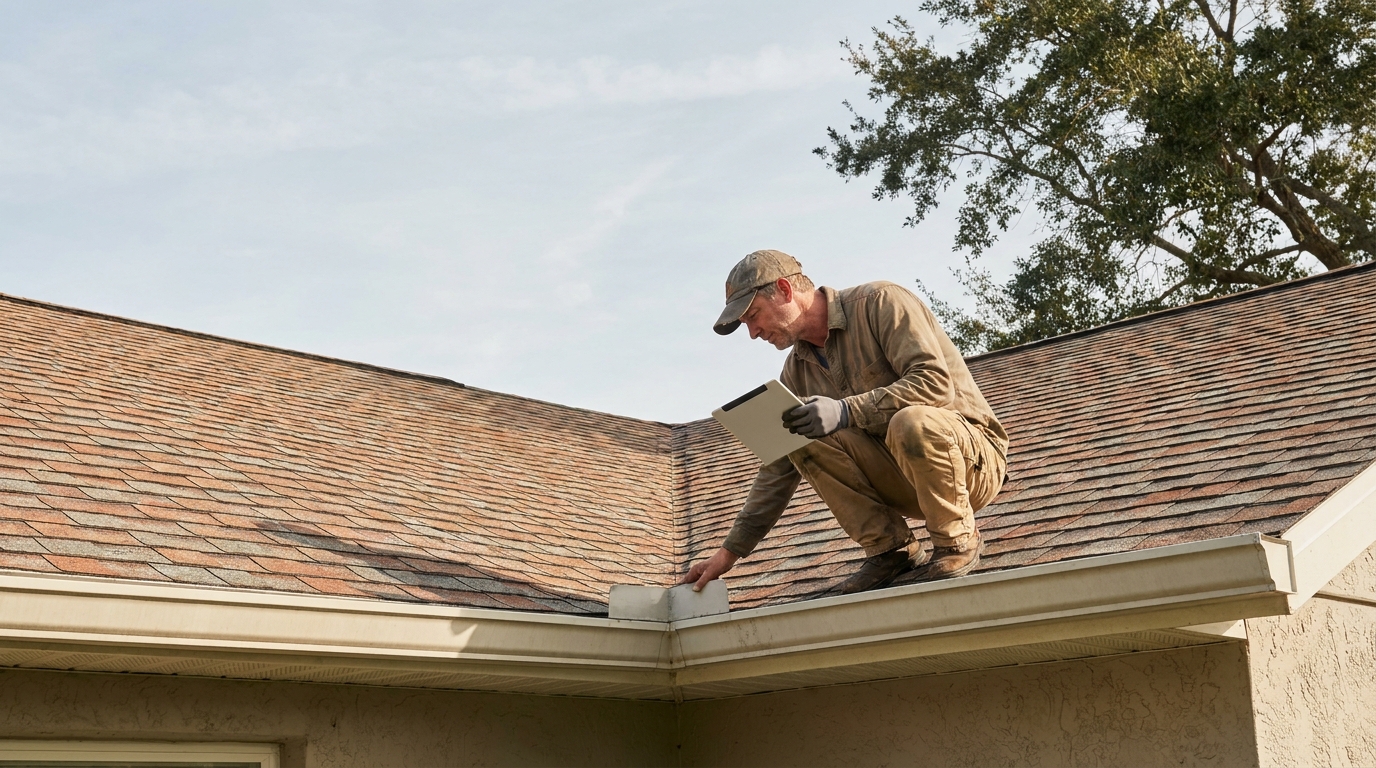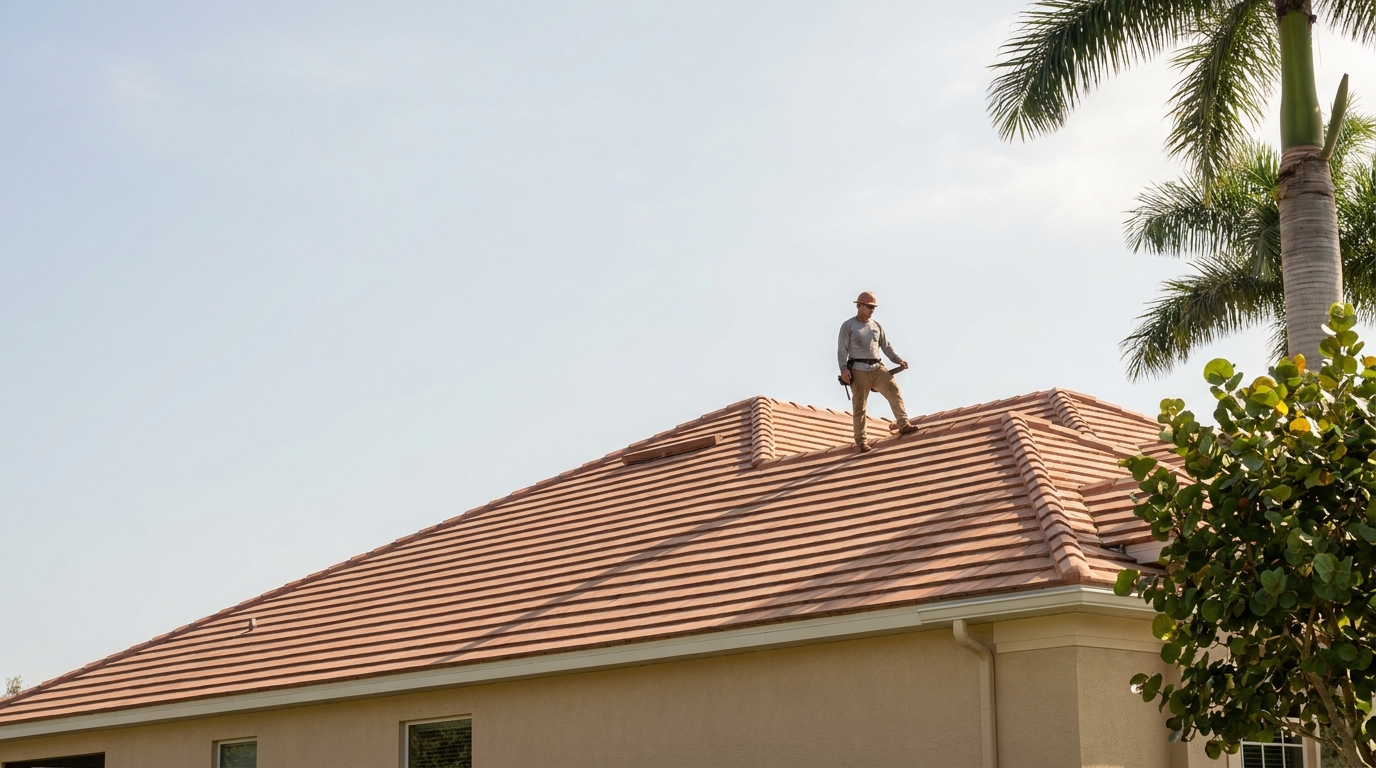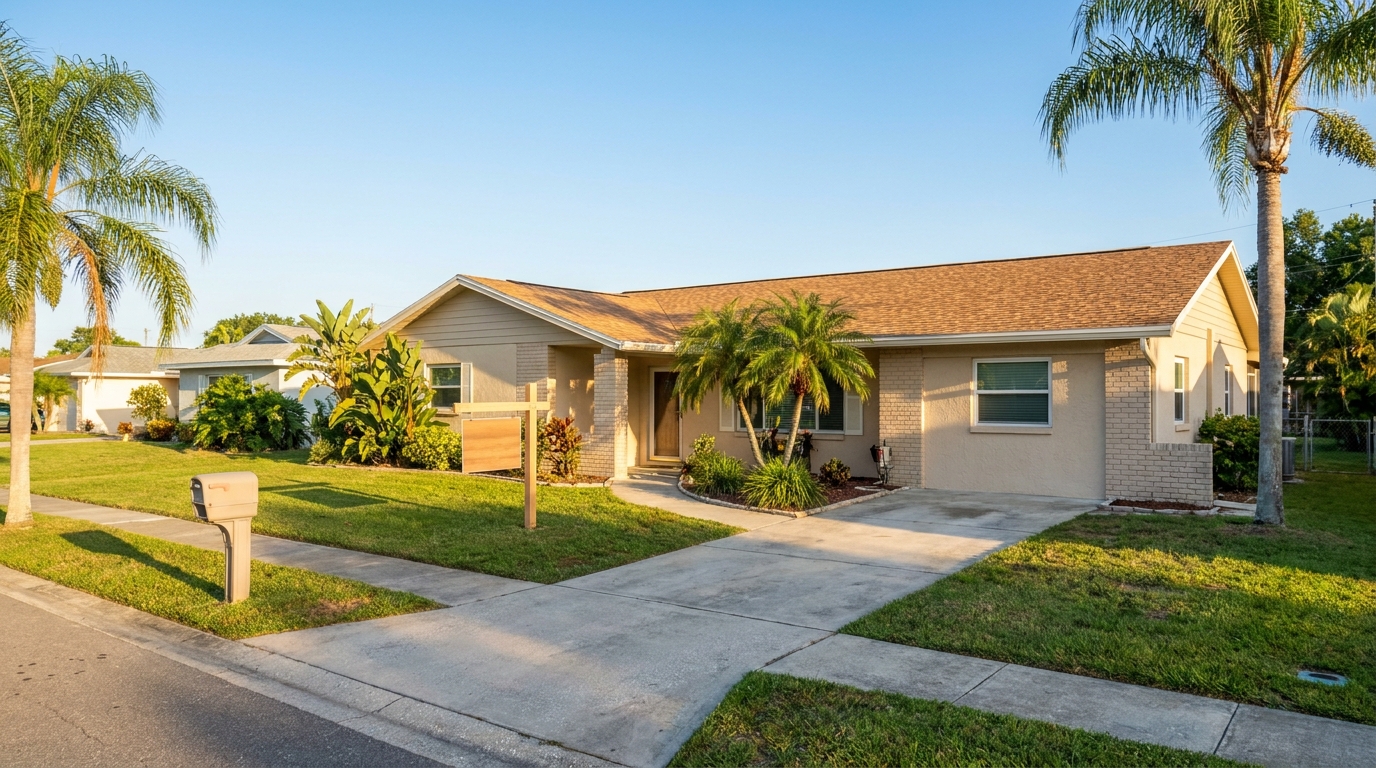
Yes — a residential roof replacement in St. Petersburg, FL requires a building permit, and the work must comply with the Florida Building Code. Permits for properties in unincorporated Pinellas County are filed through the Pinellas County Access Portal as a 'Residential Roof' record and reviewed by Building Development Review Services. St. Petersburg is an incorporated city, so addresses inside city limits are typically permitted through the City's own development services rather than the County.
That distinction — city versus county jurisdiction — is where most homeowner confusion (and most unpermitted-work headaches) begins. Below is a practical checklist covering who pulls the permit, what inspections happen, the narrow 2026 exemption that just became available, and how to vet a contractor before anyone climbs your roof.
Do you actually need a permit to replace your roof in St. Petersburg?
In almost every case, yes. A full residential roof replacement in St. Petersburg requires a building permit issued by the appropriate local authority — the City of St. Petersburg for addresses inside city limits, or Pinellas County for unincorporated addresses. The permit ensures the work is inspected and complies with the Florida Building Code.
This isn't red tape for its own sake. Florida's coastal building code exists because of hurricane exposure, and a permitted, inspected roof is what your homeowner's insurance carrier expects to see when it's time to file a wind claim. Skip the permit and you often skip the coverage.
At SCM Roofing, we pull the permit as part of the job. A licensed roofing contractor should never ask the homeowner to pull an "owner-builder" permit on a full replacement — that's a red flag that the contractor may not be properly licensed or insured.
Who issues the permit — the City of St. Petersburg or Pinellas County?
It depends on your address. Properties inside the incorporated City of St. Petersburg are permitted through the City's Development Services office. Properties in unincorporated Pinellas County are submitted through the Pinellas County Access Portal as a 'Residential Roof' record type, with plans and documents uploaded and fees paid before review by Building Development Review Services.
If you're unsure which jurisdiction you're in, the fastest confirmation is a call to either office with your parcel address. Neighborhoods like Old Northeast, Historic Kenwood, Snell Isle, and the Grand Central District sit within city limits; some pockets closer to Lealman and Tierra Verde are unincorporated county. The rules are similar in spirit — Florida Building Code applies either way — but the portal, fee schedule, and inspection scheduling are separate systems.
What about the new 2026 permit exemption — does it help you?
Probably not, unless your project is very small and outside city limits. As of July 1, 2026, a limited permit exemption under Florida HB 803 / F.S. 553.79 became available in unincorporated Pinellas County for certain single-family roof projects under $7,500. It is not self-executing — the owner or contractor must submit a written request and receive prior approval from the County Building Official before work begins.
Several important limits apply:
- The exemption applies only in unincorporated Pinellas County — not inside the City of St. Petersburg.
- It does not apply in a flood zone or flood hazard area. Much of the St. Petersburg peninsula sits in mapped flood zones, so a large share of local homes are ineligible on that basis alone.
- It does not cover structural, gas, mechanical, or plumbing work.
- The approved exemption paperwork must remain on the job site the entire time — losing it can trigger a Stop Work Order.
- Exempt work is not inspected by County staff, which means no independent sign-off for your insurer.
For a full re-roof, the $7,500 ceiling is well below typical St. Petersburg replacement costs, and the flood-zone carve-out eliminates most of the market. In practice, the exemption is designed for small, tightly scoped repairs — not for a homeowner replacing a full roof after storm damage.
What does the permit and inspection process look like?
A standard St. Petersburg residential roof permit moves through four stages: application submittal (with plans, product approvals for shingles or metal panels, and wind-uplift documentation), plan review, in-progress and final inspections, and permit close-out. Work must comply with the Florida Building Code throughout, and the permit stays open until the final inspection passes.
| Stage | What happens | Who handles it |
|---|---|---|
| 1. Application | 'Residential Roof' record submitted via portal; plans, product approvals, and fees uploaded | Contractor |
| 2. Plan review | Code compliance check by Building Development Review Services (County) or City Development Services | Jurisdiction |
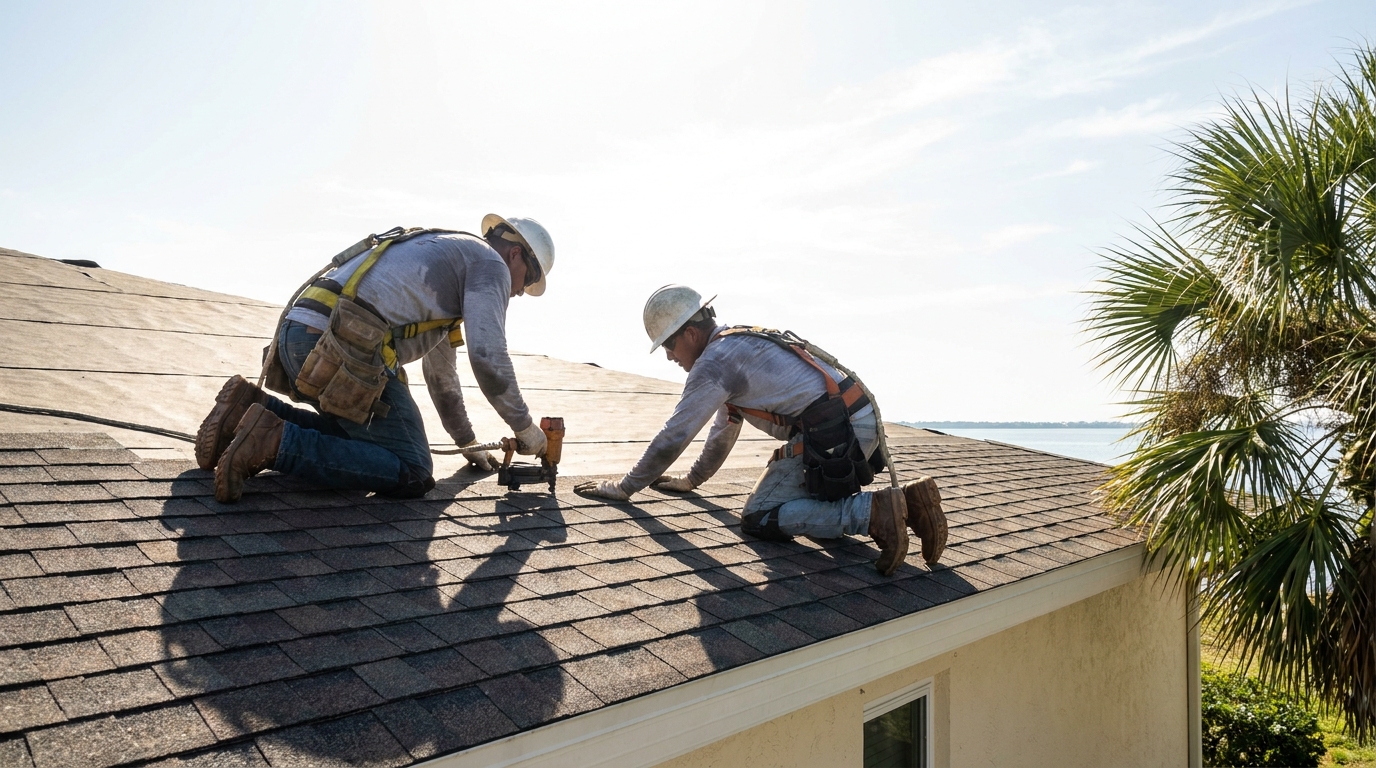
| 3. In-progress inspection | Deck nailing, underlayment, and dry-in verified before shingles or panels go on | Jurisdiction inspector |
| 4. Final inspection | Completed roof inspected; permit closed out | Jurisdiction inspector |
A typical St. Petersburg re-roof — tear-off, deck inspection, dry-in, and reinstallation — is often completed in one to three working days on an average single-family home, with permit close-out following the final inspection. Larger tile roofs or homes with complex geometry take longer.
What happens if a contractor works without a permit?
Unpermitted roofing work in St. Petersburg exposes the homeowner — not just the contractor — to real consequences: Stop Work Orders, code enforcement action, insurance claim denials after a hurricane, and problems at resale when the missing permit surfaces on a title or inspection report. Pinellas County explicitly warns that failure to keep approved exemption paperwork on site can result in a Stop Work Order, and standard unpermitted work faces stiffer code enforcement.
Insurance is the piece most homeowners underestimate. A wind or hurricane claim in Florida often triggers a request for the roof permit and final inspection records. No permit, no inspection history — and carriers routinely reduce or deny the claim.
What questions should you ask a roofing contractor before hiring?
Before signing anything, confirm the contractor is a Florida-licensed roofer, verify they carry general liability and workers' compensation, and get in writing that they will pull the permit under their license. Ask which jurisdiction will issue it, when inspections are scheduled, and how they handle the final close-out.
A short pre-hire checklist:
- State-issued Florida roofing contractor license number (verifiable online)
- Proof of general liability and workers' comp insurance
- Written confirmation the contractor pulls the permit — not you
- Manufacturer certification (for example, GAF Master Elite for shingle systems)
- A clear, non-one-sided written contract with scope, materials, and payment schedule
- References or verifiable reviews from recent St. Petersburg-area jobs
Those are the tangible signals — licensing, certification, and contract transparency — that separate a career local roofer from a storm-chaser passing through after the next named system. Those are the tangible signals — licensing, certification, and contract transparency — that separate a career local roofer from a storm-chaser passing through after the next named system.
How long does a roof replacement take once the permit is in hand?
Most St. Petersburg single-family roof replacements are installed in one to three working days once materials are on site and the permit is issued. Permit review timelines vary by jurisdiction and season — expect longer queues after major storms — and final inspection scheduling adds a few additional business days after the crew finishes.
Planning matters. Homeowners who wait until June or July, at the front edge of Atlantic hurricane season, often find both permit offices and reputable contractors booked out. Scheduling a replacement in the spring or early fall — outside the peak storm-response window — usually means faster permits, faster inspections, and better crew availability.
Frequently asked questions
Do I need a permit to replace just a few shingles in St. Petersburg?
Small repairs may fall below the permit threshold, but any structural work, deck replacement, or work in a flood zone requires a permit regardless of dollar value. In unincorporated Pinellas County, the 2026 exemption under HB 803 / F.S. 553.79 may cover certain single-family projects under $7,500, but only with prior written approval from the County Building Official — and it does not apply in flood hazard areas or inside St. Petersburg city limits.
Can I pull the roofing permit myself as the homeowner?
Florida allows owner-builder permits in limited situations, but for a full roof replacement it is almost always a mistake. A licensed roofing contractor is required to pull the permit under their license for hired work, and taking on owner-builder status can shift liability, insurance, and code-compliance responsibility to you. If a contractor asks you to pull the permit, treat it as a warning sign.
Does the City of St. Petersburg follow the same rules as Pinellas County?
Both jurisdictions enforce the Florida Building Code, but they are separate permitting authorities with their own portals, fees, and inspection schedules. St. Petersburg addresses inside city limits are handled by the City's Development Services office; unincorporated addresses go through the Pinellas County Access Portal as a 'Residential Roof' record. Confirm which jurisdiction your parcel sits in before filing.
What if my home is in a flood zone?
The 2026 HB 803 permit exemption explicitly does not apply in a flood zone or flood hazard area. Given how much of the St. Petersburg peninsula sits in mapped flood zones, most local homeowners will need a standard permit and inspection process even for smaller projects. Your contractor should confirm your flood zone status before scoping the work.
How do I check if my roofing contractor is properly licensed?
Ask for the contractor's Florida state license number and verify it through the Florida Department of Business and Professional Regulation's online license lookup. Also confirm current general liability and workers' compensation insurance by requesting certificates directly from the insurer, not just a photocopy from the contractor. A legitimate St. Petersburg roofer will provide all three without hesitation.
Will my insurance company ask about the permit?
Yes — especially after a wind or hurricane claim. Florida insurers routinely request the permit number, final inspection record, and product approvals when evaluating a roof claim. Unpermitted or uninspected work is one of the most common reasons claims are reduced or denied, which is why permit fees are meaningfully cheaper than losing coverage on a full roof replacement.
Getting it handled the right way
Permits are the least glamorous part of a roof replacement and the most consequential. They determine whether your insurance holds, whether your resale goes smoothly, and whether the work on top of your house was actually built to Florida Building Code. St. Petersburg homeowners who want the process handled cleanly — permit pulled under a licensed roofer, inspections scheduled, close-out documented — can reach SCM Roofing at scmroofingfl.com to walk through the specifics for their address and jurisdiction.