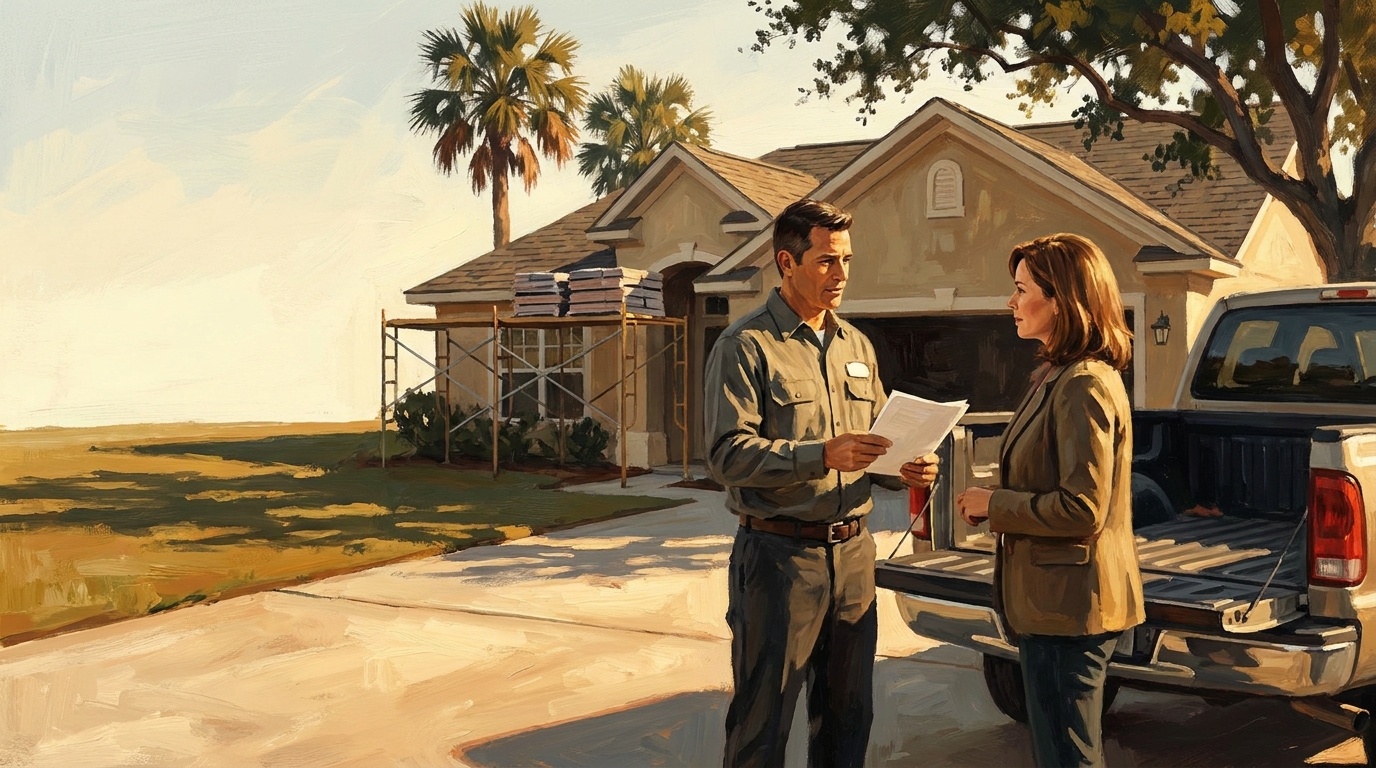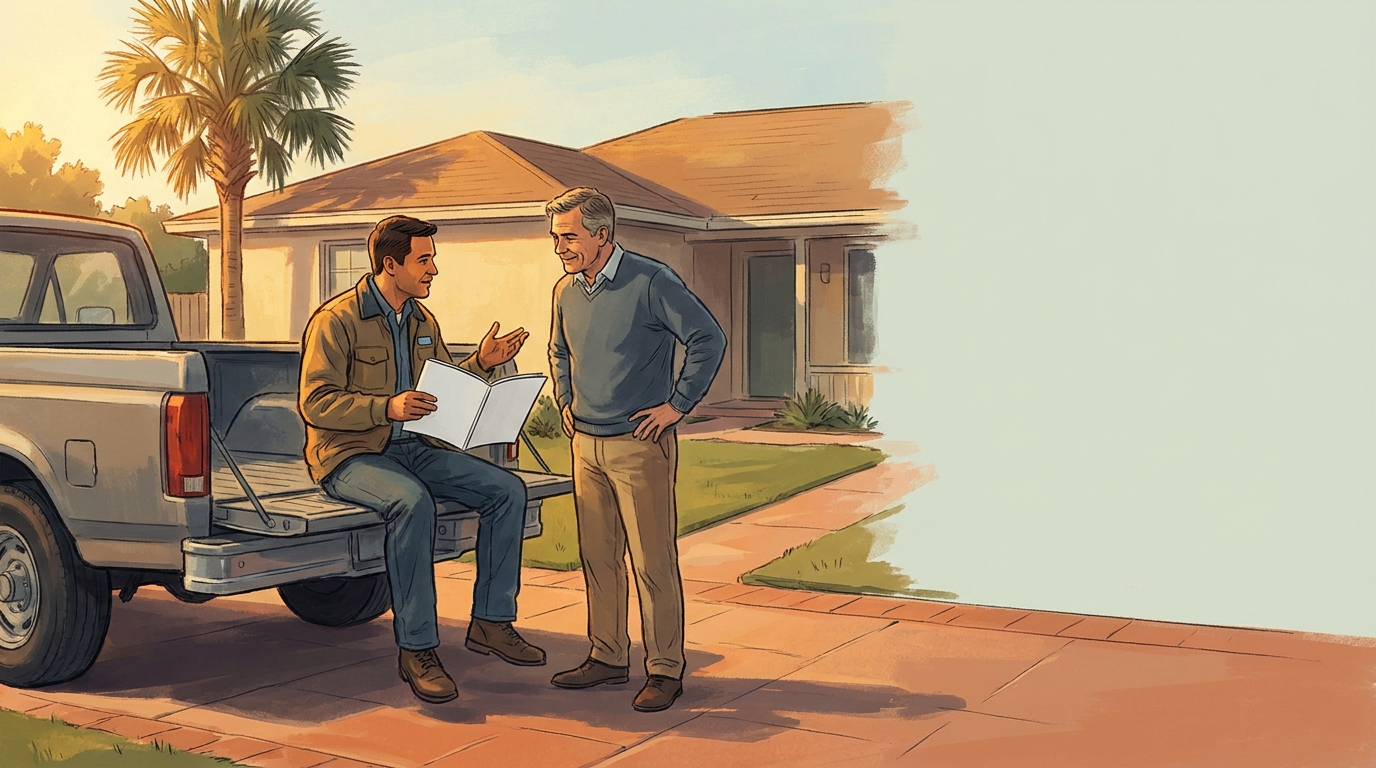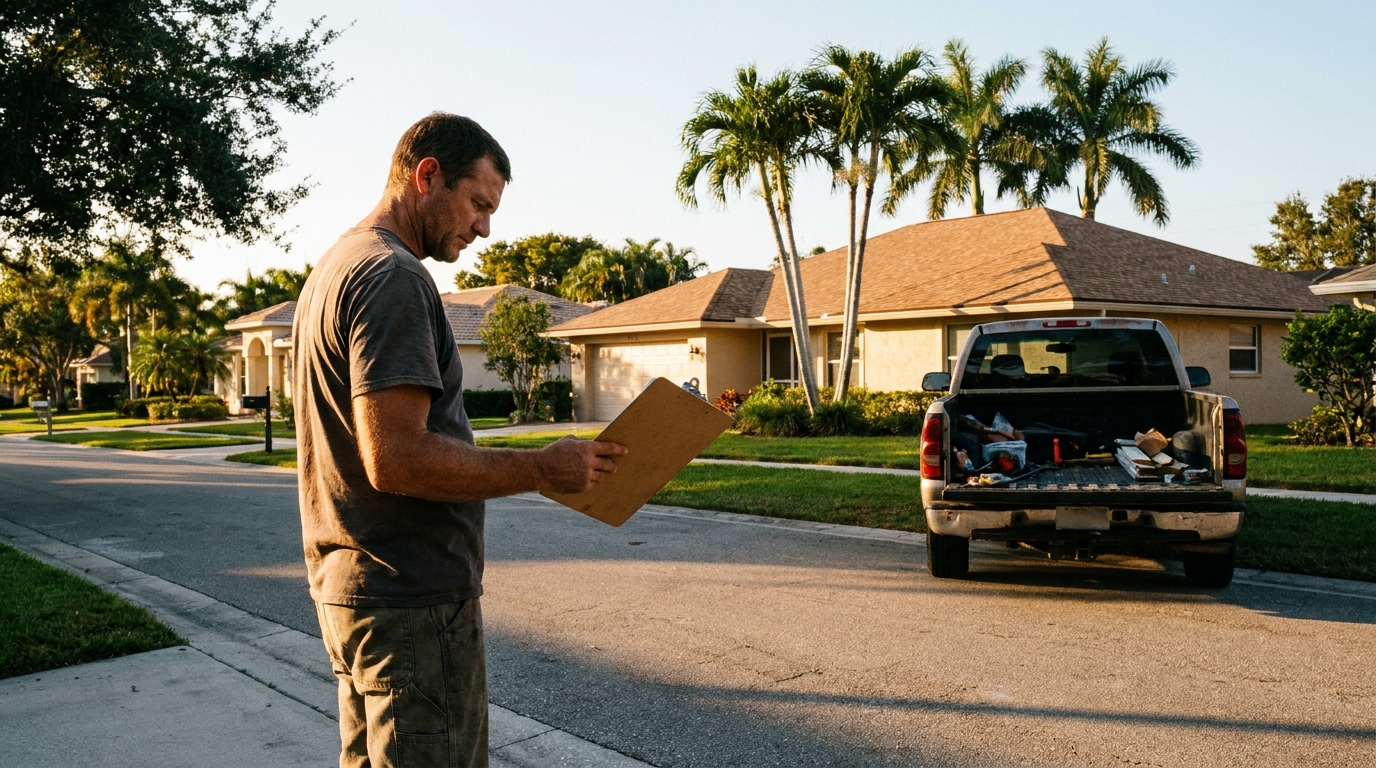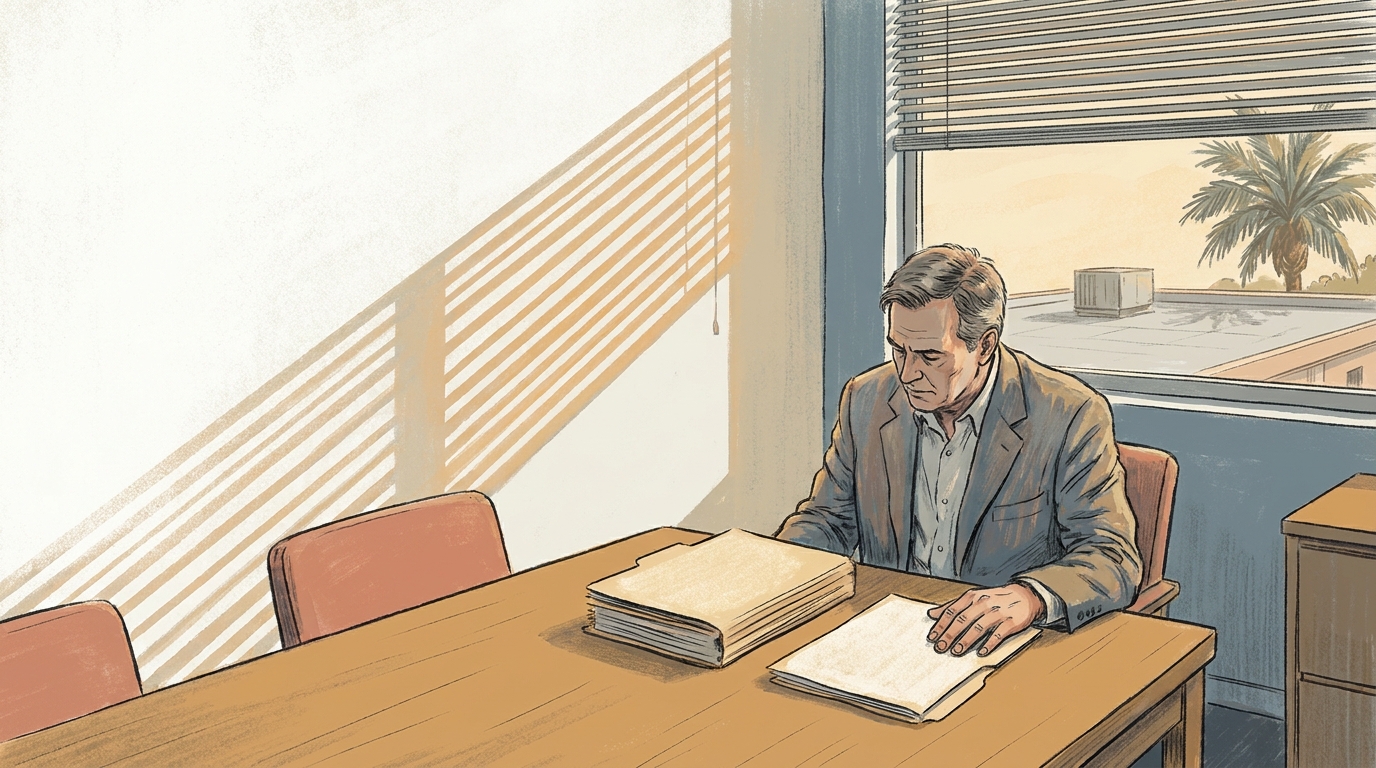
To compare commercial roofing contractors in Tampa on warranty depth and field experience, request the actual manufacturer warranty document (not just the term length), verify a Florida state-certified roofing license through DBPR, and ask for two to three references on completed projects using the same membrane you're buying. Term length alone — whether 20 years or lifetime — tells you almost nothing about what will actually be paid when a claim is filed.
That is the short answer. The rest of this guide walks through how to read a commercial roof warranty, how to pressure-test an "experienced" claim, and how Tampa's wind and salt-air environment changes which criteria matter most.
What should a Tampa commercial roof warranty actually cover?
A usable commercial roof warranty names three things: covered components, covered failures, and what voids coverage. Manufacturer warranties generally cover defects in the roof-covering material itself, while a contractor's workmanship warranty covers installation and related issues. Term length is secondary — a longer materials-only warranty can pay less on a claim than a shorter no-dollar-limit (NDL) system warranty.
Manufacturer coverage periods in the commercial segment can range from 20 years to a lifetime, and the differences between materials-only, system, and NDL designations determine real-world claim value. NDL is not a regulatory term — it is defined by the manufacturer's own warranty document. Read the exclusions, maintenance obligations, wind-speed caps, and claim procedures before you weigh the term.
In Tampa, three warranty clauses deserve extra scrutiny:
- Wind limits. Many manufacturer warranties cap coverage below hurricane-force wind. Confirm the mph rating matches Florida's high-wind-zone requirements for your parcel.
- Flashing and fastener coverage. Salt air and UV accelerate corrosion of metal components on Tampa Bay commercial roofs. If flashings and fasteners are excluded, the "roof" warranty does not cover the parts most likely to fail first.
- Maintenance requirements. Most NDL warranties require documented annual inspections. Miss them and coverage lapses.
SCM Roofing installs commercial systems including TPO, EPDM, PVC, mod-bit, BUR, and standing-seam metal, and as a GAF Master Elite contractor can offer GAF's strongest warranty coverage — including both product and workmanship coverage on applicable installations. GAF Master Elite status is held by only about 2–3% of roofing contractors nationwide.
How do workmanship warranties differ from manufacturer warranties?
Workmanship warranties cover installation errors — a bad seam, a misaligned fastener pattern, a flashing detail that leaks. Manufacturer warranties cover the material itself. Many roofing contractors offer only one or two years of workmanship coverage, and there is no industry standard, which is why workmanship terms vary more between bids than material terms do.
This gap matters in Tampa because most commercial roof leaks in the first decade trace to installation details, not material defects. If a contractor offers a two-year workmanship warranty on a 20-year TPO system, you are effectively uninsured against installation failure for 18 of those years unless the manufacturer's system warranty wraps labor into its coverage.
A proposal should include the length of warranty and what is covered, and the warranty itself should state what items are covered and what will void them. If a Tampa proposal is vague on either, treat that as a disqualifier.
How do you verify a commercial roofer's field experience?
Verify field experience three ways: confirm the Florida state-certified roofing license through DBPR, request two to three references on completed projects using the same membrane system, and ask for manufacturer certification records showing current standing. Years in business is a weak proxy — a 20-year shingle contractor may have installed very few TPO decks.
Florida regulates roofing under Chapter 489. A state-certified roofing contractor must have four years of qualifying construction experience across specified system types (shingles, built-up, single-ply, tile, metal), pass the Business & Finance and Roofing Trade Knowledge exams, be fingerprinted, and carry minimum insurance of $100,000 public liability and $25,000 property damage. A broad construction credential does not automatically authorize roofing scope — verify the specific credential type with DBPR.
Most commercial roofing contractors should have 2–3 references readily available for a prospective client to contact. Ask the reference specifically about scope changes discovered after tear-off, how deck repairs were priced, and whether warranty paperwork was delivered on time. A contractor who provides a warranty certificate at project close — which is what should happen on any properly closed-out job — is operating the way the paperwork is intended to work.
SCM Roofing holds Florida state contractor license CCC1331132 and has 25+ years of experience in the roofing industry. Owner Scott Marone graduated from the University of Florida's Construction Management program and holds both a Florida State General Contractor's license and a Roofing Contractor's license.
What does commercial roofing cost in Tampa in 2026?
Per-square-foot ranges from Tampa-area commercial planners and local guides:
| System | Installed cost per sq. ft. | Source type |
|---|---|---|
| Commercial replacement (broad) | $6 – $14 | Tampa market range |
| TPO | $5.50 – $13 | Tampa guides & commercial planners |
| PVC | $11 – $15 | Commercial planner |
| Two-ply SBS | $11 – $16 | Commercial planner |
| Standing-seam metal | $10 – $18 | Tampa-area guide |
| Metal retrofit | $16 – $24 | Commercial planner |
| Additional tear-off layer | +$1 – $2 | Commercial planner |
These are budgetary estimates from industry and local-market guides, not regulated prices. Tear-off versus recover decisions, deck condition discovered after removal, and penetration complexity make per-square-foot numbers unreliable without a full scope assessment. Collecting multiple proposals from reputable contractors helps triangulate real pricing, and price should be balanced against the quality of materials and workmanship rather than treated as the deciding factor.
SCM Roofing does not roof over existing layers — all old material is removed down to the deck before installing a new roof, which exposes any deck issues before they are buried under a new membrane and a 20-year warranty.
What local Tampa factors change the evaluation?
Three Tampa-specific factors reshape how a commercial property owner should weigh contractor bids: tropical-storm exposure, salt-air corrosion in the Bay environment, and jurisdictional permitting rules. All three should appear in the proposal, not just the price.
Commercial roof re-covering requires a permit in Tampa, and contractors whose licenses are regulated by DBPR must register through the local permitting system before pulling permits. A contractor working inside the City of Tampa versus elsewhere in Hillsborough County may answer to different authorities, even with the same state license. Confirm the permitting path for your parcel before signing.
Tropical weather seasonality is the other practical constraint. Tear-off and installation windows close quickly when storms line up in the Gulf, and pre-storm-season inspections are a standard planning step for Tampa building owners. SCM Roofing's commercial inspection includes a structural assessment, roofing material condition review, past workmanship review, and an attic and interior check — the kind of pre-season baseline that makes a later insurance or warranty claim defensible.
Had damage to my roof. Got several inspections and quotes from roofing companies. SCM stood out from the rest for several reasons. They are GAF Master Elite Certified. Reasonably priced (though they were not the lowest). Reviews were good. Contract was not one-sided. Customer service was outstanding. Robbie answered all my questions/concerns (I had a lot of questions). He was able to get the repair done quickly and on a Saturday. This particular Saturday was significant. Jose did the roof repair in the morning. By the afternoon, winds were 40mph +. I could have had worse damage. However, Jose and his crew were great. He patiently answered all of questions, and they respected my property. The final product looks great. Thanks again SCM.
Frequently asked questions
Is a longer warranty always better on a commercial roof?
No. A longer materials-only warranty can pay less on a claim than a shorter no-dollar-limit (NDL) system warranty that covers labor and components together. Coverage type, exclusions, wind caps, and maintenance obligations determine real claim value. Read the actual warranty document — manufacturer coverage can range from 20 years to a lifetime, but term length alone does not establish what will be paid.
How do I verify a Tampa roofing contractor's Florida license?
Look up the contractor through the Florida Department of Business and Professional Regulation (DBPR). A state-certified roofing contractor has statewide authority, while a locally registered credential is jurisdiction-limited. State-certified contractors must have four years of qualifying experience, pass trade and business exams, be fingerprinted, and carry minimum insurance of $100,000 public liability and $25,000 property damage. A general construction license does not automatically cover roofing scope.
How many bids should I collect for a Tampa commercial roof?
Collecting multiple proposals from reputable contractors helps establish a realistic price range. For Tampa commercial projects, make sure each bid specifies the same system, the same tear-off scope, the same wind-rating assembly, and the same warranty tier — otherwise you are comparing numbers, not projects. Clearly written, detailed proposals are a signal the contractor has prepared an accurate estimate.
What voids a commercial roof warranty?
Common voiders include unauthorized repairs by a third party, missed annual inspections, ponding water beyond specified limits, improper rooftop equipment installation, and wind events above the warranty's mph cap. The warranty document itself must state what items are covered and what will void them. Request the full warranty text — not a summary — before signing, and keep inspection records on file for the life of the roof.
How long is a typical workmanship warranty on a Tampa commercial roof?
Many roofing contractors offer one to two years of workmanship warranty coverage, and there is no industry standard. For commercial work, you want substantially longer — ideally wrapped into a manufacturer system warranty that covers labor and material together. Short standalone workmanship terms leave the owner exposed to installation defects that typically surface in years three through ten.
Does Florida's wind code add to my project cost?
Yes. The exact uplift depends on your parcel, the system chosen, and the applicable code edition, which must be confirmed with the Tampa permitting authority. Any Tampa commercial bid that does not reference wind-rating assumptions is incomplete.
Bottom line
On a commercial roof, warranty depth and verifiable field experience track together. The contractors who hold top-tier manufacturer certifications usually have the installation record to back them up, because manufacturers audit the installations before issuing their strongest warranty tiers. Owners who read the warranty document, verify the Florida license, and check references on comparable projects consistently end up with roofs that outlast the paperwork.
Tampa commercial property owners who want this handled professionally can reach SCM Roofing, LLC at (855) 726-7663 or https://scmroofingfl.com to arrange a commercial inspection and warranty review.