You've patched a leak. Replaced a few shingles after the last storm rolled through. Maybe had a roofer out twice in the past eighteen months. At some point, every Tampa homeowner reaches the same question: is it time to stop repairing and start over?
It's a fair question, and a costly one to get wrong. Replace too early and you've spent money you didn't need to. Wait too long, and a single afternoon thunderstorm can push water into your attic, walls, and insulation — turning a $15,000 roof job into a $40,000 restoration project. Tampa's climate doesn't give roofs an easy life, and the warning signs of failure often look subtle until they aren't.
Here's a practical checklist of the signs that mean repair isn't enough, written specifically for the conditions roofs face along Florida's Gulf Coast.
Why Tampa Roofs Wear Out Faster Than the National Average
Before getting into the signs, it helps to understand why this matters here more than in other markets. Tampa roofs absorb a beating that roofs in milder climates simply don't.
Daily UV exposure breaks down asphalt shingles faster than manufacturer warranties imply. Summer humidity creates the perfect environment for algae, mold, and rot beneath the surface. Hurricane season — running June through November — punishes any roof with weak fasteners, lifted edges, or aging underlayment. And the salt air that drifts inland from Tampa Bay accelerates corrosion on flashing, vents, and metal components.
The practical result: a shingle roof that might last 25 to 30 years in Ohio often shows replacement-level wear in Tampa at 15 to 20 years. Tile roofs hold up longer, but the underlayment beneath them — the actual waterproof barrier — typically fails well before the tile does.
The Warning Signs Checklist: Replacement, Not Repair
1. Your Roof Is Past 15 Years Old (Asphalt) or Has Original Underlayment (Tile)
Age alone isn't a death sentence, but it raises the stakes on every other sign on this list. If you live in a neighborhood like South Tampa, Seminole Heights, or Carrollwood where housing stock often dates to the 1980s and 1990s, and your roof hasn't been replaced in your ownership, assume it's near the end of its service life. Florida insurance carriers increasingly refuse to renew policies on roofs over 15 years old — a financial pressure that often forces the decision before the roof itself does.
2. Widespread Shingle Damage, Not Isolated Spots
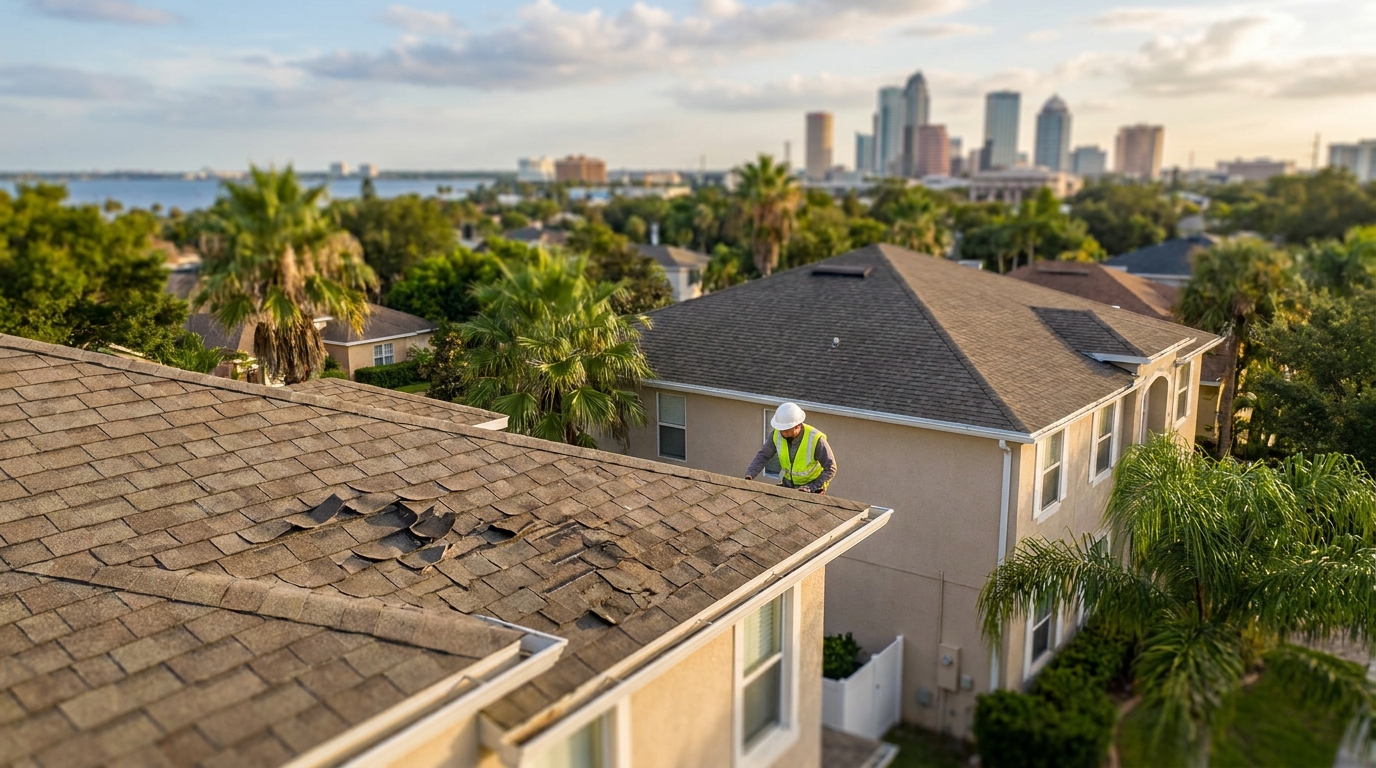
A few damaged shingles after a storm? That's a repair. But when you see:
- Curling or cupping shingles across multiple sections of the roof
- Bald spots where granules have washed away
- Cracking in straight lines (a sign of thermal splitting)
- Black streaking that returns shortly after cleaning
You're looking at a roof that has lost its protective surface. Spot repairs on a roof in this condition tend to fail at the seams between old and new material within a season or two.
3. Granules in Your Gutters and Downspouts
Asphalt shingles shed granules throughout their life, but heavy granule loss — enough that you can scoop handfuls from gutters or see piles at downspout exits — means the shingles are losing their UV protection. Once the asphalt base is exposed to Tampa sun, deterioration accelerates quickly. A roof shedding granules heavily is usually within 2 to 3 years of needing replacement.
4. Sagging Rooflines or Soft Spots
Walk across your yard and look at the roof in profile. Any visible dip, wave, or sag in the ridgeline or between rafters indicates structural compromise — usually from water damage to the decking underneath. This is not a repair situation. Soft spots underfoot (if a roofer reports them) mean the plywood sheathing has absorbed moisture and lost integrity. Replacement is the only correct response.
5. Active Leaks in Multiple Locations
One leak from a clear cause — a lifted flashing, a cracked boot around a plumbing vent — is repairable. Multiple leaks, leaks that return after being repaired, or staining that appears in different rooms after different storms tells you the roof's water management system is failing system-wide. Underlayment has degraded, fasteners have backed out, or flashing has corroded in places you can't see from a single repair point.
6. Daylight Visible Through Attic Boards
If you go into your attic during the day and see pinpricks of light coming through the roof deck, water is getting in too. This finding alone usually means replacement, especially in older homes around Hyde Park, Tampa Heights, and other historic districts where decking may already be at the end of its serviceable life.
7. Storm Damage After a Named Event
Hurricane and tropical storm damage is its own category. If your roof has been through a significant wind event — anything with sustained winds above 70 mph — and you've noticed missing shingles, exposed underlayment, lifted ridge caps, or interior staining afterward, get a full inspection before filing or settling any insurance claim. Florida's statute of limitations on hurricane-related property insurance claims has tightened considerably in recent years, and waiting too long can forfeit coverage you'd otherwise have.
8. Your Insurance Carrier Is Asking Questions
This one is uniquely Florida. Carriers now routinely require roof inspections at renewal, and many will non-renew policies on roofs they consider too old or too worn — regardless of whether the roof is actively leaking. If your insurer has flagged your roof, replacement isn't just a maintenance decision; it's the difference between insurable and uninsurable.
Repair vs. Replace: A Simple Decision Framework
When weighing roof replacement vs repair in Tampa, three questions usually settle it:
- How old is the roof? If it's within 5 years of typical end-of-life for its material, lean toward replacement.
- How widespread is the damage? Isolated and identifiable means repair. Diffuse, recurring, or in multiple locations means replacement.
- What's the cost ratio? If repair quotes are running 30% or more of replacement cost, replacement is almost always the better long-term value.
An honest contractor will walk you through this calculation rather than push you toward the more expensive option by default. We've seen plenty of Tampa roofs that genuinely had years of life left with the right repair — and others where homeowners had spent thousands on patches that should have gone toward replacement two years earlier.
FAQ: Tampa Roof Replacement Questions
How long does roof replacement take in Tampa?
Most single-family asphalt shingle replacements take 1 to 3 days, weather permitting. Tile roofs typically run 5 to 10 days. Scheduling around Tampa's afternoon thunderstorm patterns — common from June through September — is part of the planning.
Do I need a permit to replace my roof in Tampa?
Yes. The City of Tampa and Hillsborough County both require permits for roof replacement, and inspections are part of the process. Reputable contractors handle the permit pulling as part of the job — if a roofer suggests skipping the permit to save money, that's a serious red flag.
Should I file an insurance claim or pay out of pocket?
It depends on the cause. Storm and hurricane damage is generally insurable; age-related wear is not. A qualified inspector can document the difference, which matters for both the claim and your premium going forward.
What roofing material lasts longest in Tampa's climate?
Metal and tile both outperform asphalt for longevity in coastal Florida conditions, often lasting 40+ years with proper maintenance. Asphalt remains the most common choice on cost grounds, with architectural shingles from certified manufacturers offering the best balance of price and performance.
Getting an Honest Assessment
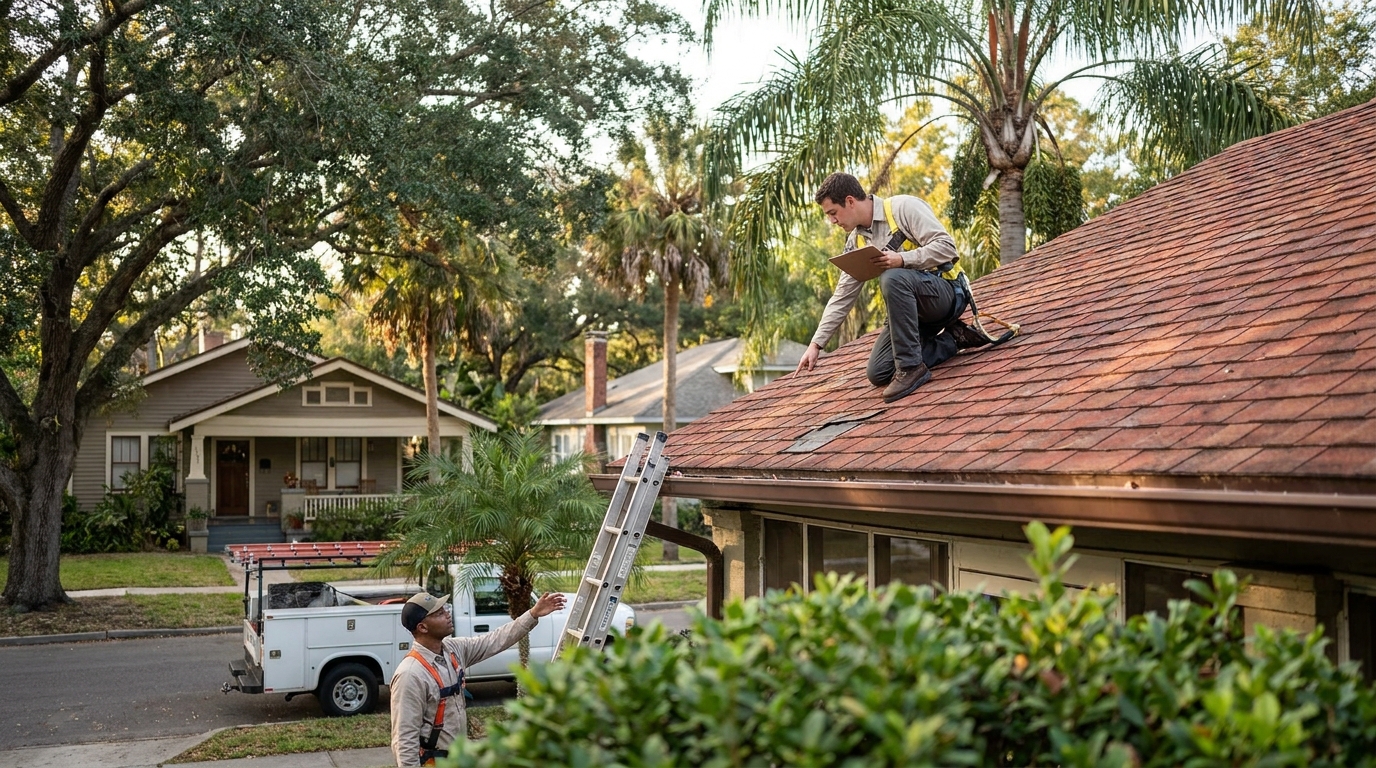
The hardest part of this decision is rarely the roof itself — it's finding someone who'll give you a straight answer about whether replacement is genuinely necessary. A good inspection includes photos of what's actually happening up there, a clear explanation of what each finding means, and a recommendation that matches the evidence.
Homeowners in Tampa who want this handled professionally can reach SCM Roofing, LLC at https://scmroofingfl.com for a free roof evaluation. The company holds GAF Master Elite certification and carries a 4.9-star rating across more than 230 Google reviews, with customers consistently citing clear communication, thorough documentation, and honest assessments — the qualities that matter most when you're trying to decide whether your roof has one more repair in it, or whether it's time for a fresh start.