A residential roof installation in Tampa typically runs one to three days of active work on the house, bookended by about two to four weeks of permitting, material staging, and final inspection with Hillsborough County or the City of Tampa. On install day, crews arrive early, strip the old roof down to the deck, replace damaged sheathing, install underlayment and flashing, lay the new roofing material, and clean the site before leaving. Expect noise, dumpsters in the driveway, and a crew moving fast to beat afternoon thunderstorms.
Below is what actually happens, stage by stage, when a Tampa homeowner replaces a roof — the paperwork before, the choreography on install day, and the inspection after.
What happens before install day in Tampa?
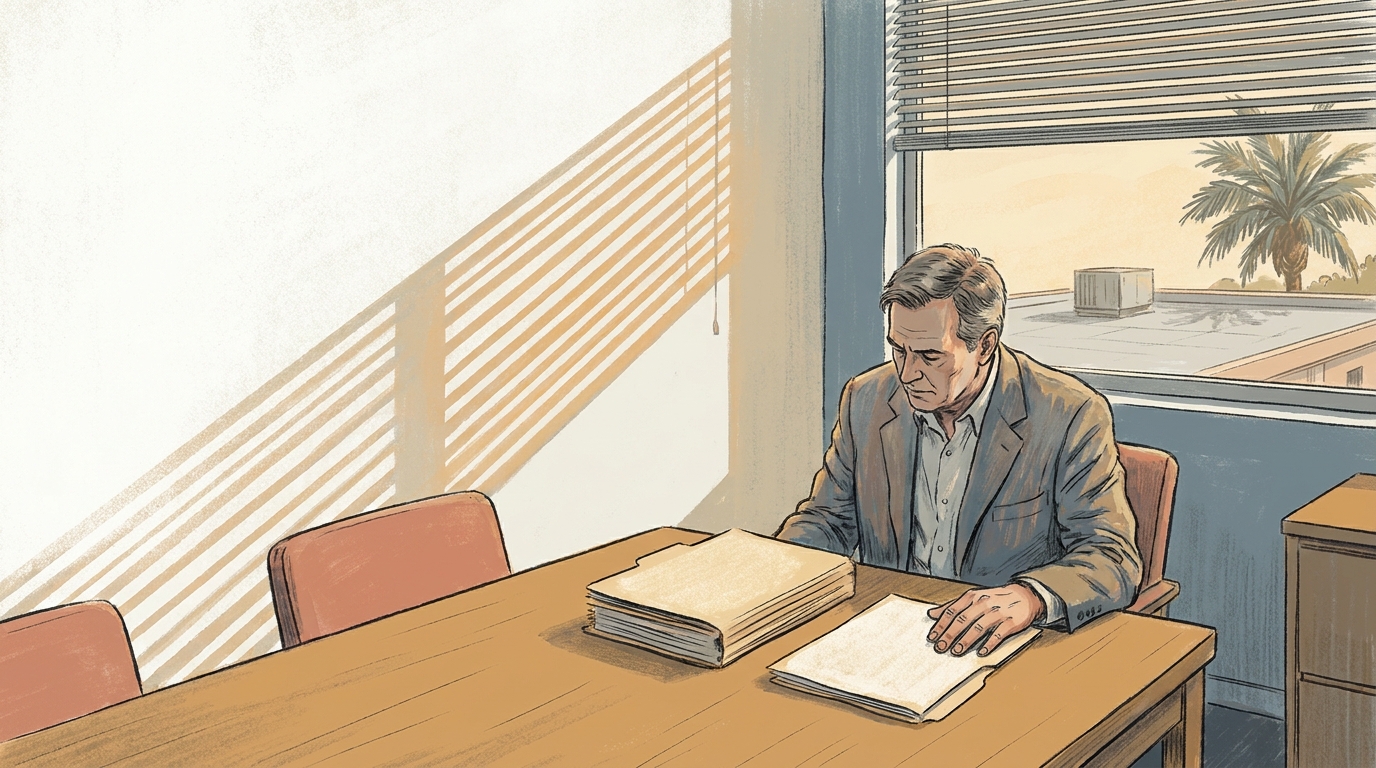
Before a single shingle comes off, your contractor pulls a permit through the local municipality, orders materials, and schedules a dumpster and material drop. In Tampa this permitting step usually takes one to three weeks depending on jurisdiction workload and whether your home sits in a wind-borne debris region.
Florida's roofing permit process requires sealed documents showing the roof assembly meets the state building code's high-velocity wind standards. SCM Roofing handles this paperwork in-house under Florida roofing license CCC1331132, which is worth confirming on any contractor's quote before you sign. During this window you should also notify your HOA if you live in a planned community — most require color and material approval before work begins.
Material delivery
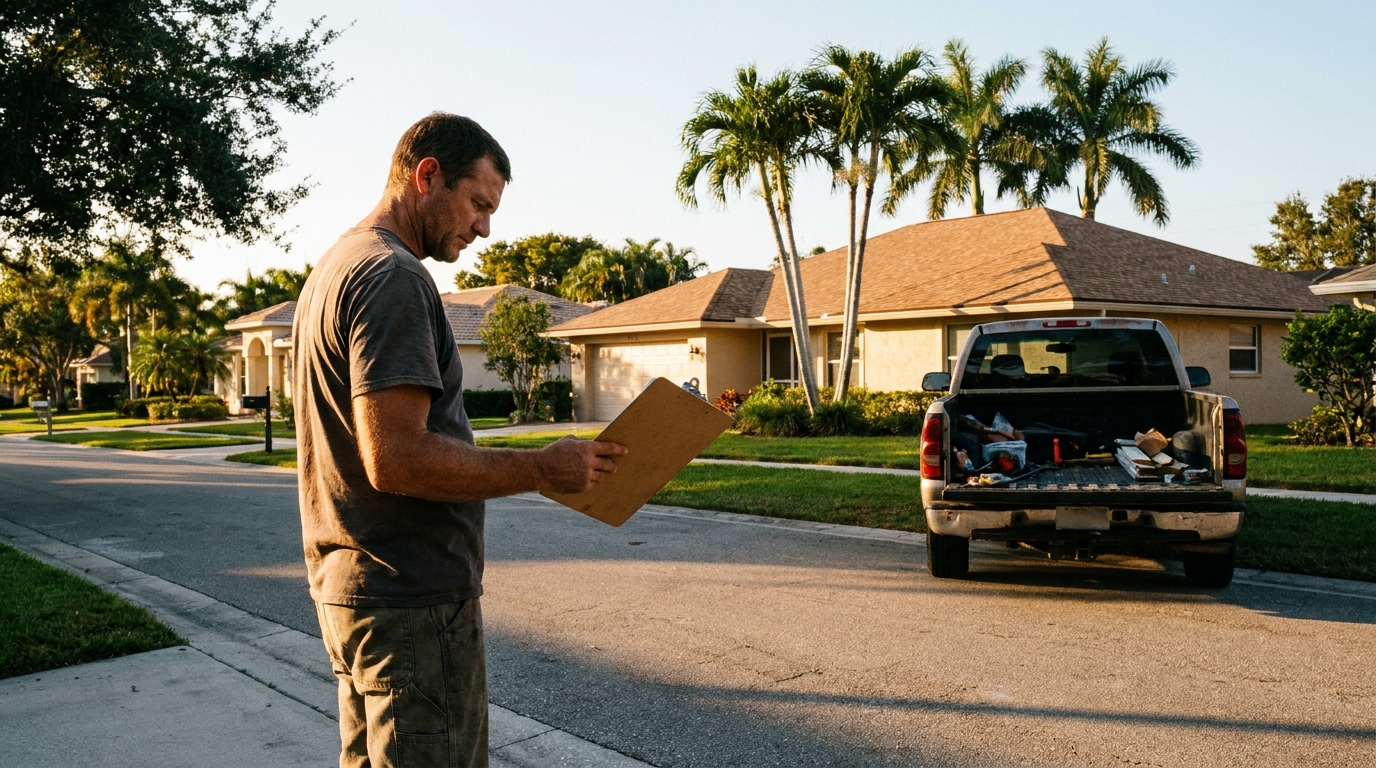
Shingles, underlayment, drip edge, and flashing usually arrive one to two days before install. If you have a two-story home, the crew may boom-lift bundles directly onto the roof; on single-story homes they're often stacked in the driveway. Move cars out the night before.
What does day one of a Tampa roof installation look like?
Day one starts in the early morning with crew arrival, site protection (tarps over landscaping, plywood against pool cages and AC units), and tear-off of the existing roof down to the wood deck. After tear-off, the crew inspects the decking, replaces any rotten or delaminated plywood, and begins installing the new underlayment system.
In Tampa's climate, this tear-off-to-dry-in sequence is critical: afternoon storms during Tampa's rainy season can roll in with little warning, so reputable crews aim to have the deck covered with peel-and-stick or synthetic underlayment the same day it's exposed. SCM Roofing does not roof over existing layers — the old material comes off down to the deck every time, which is the only way to properly inspect sheathing and nail every component to current code.
What you'll notice inside the house
Expect loud hammering, vibration, and dust falling from attic vents and recessed lights. Take fragile wall art down the night before. Pets should stay indoors or offsite — the noise is genuinely unsettling for animals, and crews move constantly around the perimeter.
What gets installed between tear-off and the final shingle?
Between tear-off and the finish layer, a Tampa roof assembly includes replacement decking as needed, a self-adhered or synthetic underlayment, new drip edge at eaves and rakes, metal valley flashing, pipe boots, step flashing at walls, and ridge vents or off-ridge vents for attic ventilation. Each layer is inspected before the next goes on, and Florida code requires a dry-in inspection on the underlayment before the finish roof is installed on many jobs.
Here is roughly how the install day stacks up:
| Stage | Typical Duration | What's Happening |
|---|---|---|
| Setup & protection | 30–60 minutes | Tarps, plywood shields, dumpster placement |
| Tear-off to deck | 3–5 hours | Old roof removed, debris to dumpster |
| Deck repair | 30 minutes–2 hours | Rotten plywood swapped out |
| Underlayment & flashing | 2–4 hours | Dry-in, drip edge, valleys, pipe boots |
| Shingle, tile, or metal install | 1–2 days | Finish material fastened to spec |
| Cleanup & magnet sweep | 1–2 hours | Nails swept from yard and driveway |
How long does the full roof replacement take in Tampa?
Most Tampa asphalt shingle replacements finish in a few working days on the house. Concrete or clay tile roofs typically take longer than shingle roofs because tile is heavier, slower to set, and often requires custom cuts around hips and valleys. Metal standing-seam installations typically take longer than standard shingle work.
Weather is the biggest variable. During hurricane season, crews watch the radar constantly and may dry-in the roof and pause finish work if a storm is tracking toward the Gulf Coast. A good contractor will never leave a roof open overnight.
What happens after the last shingle is nailed?
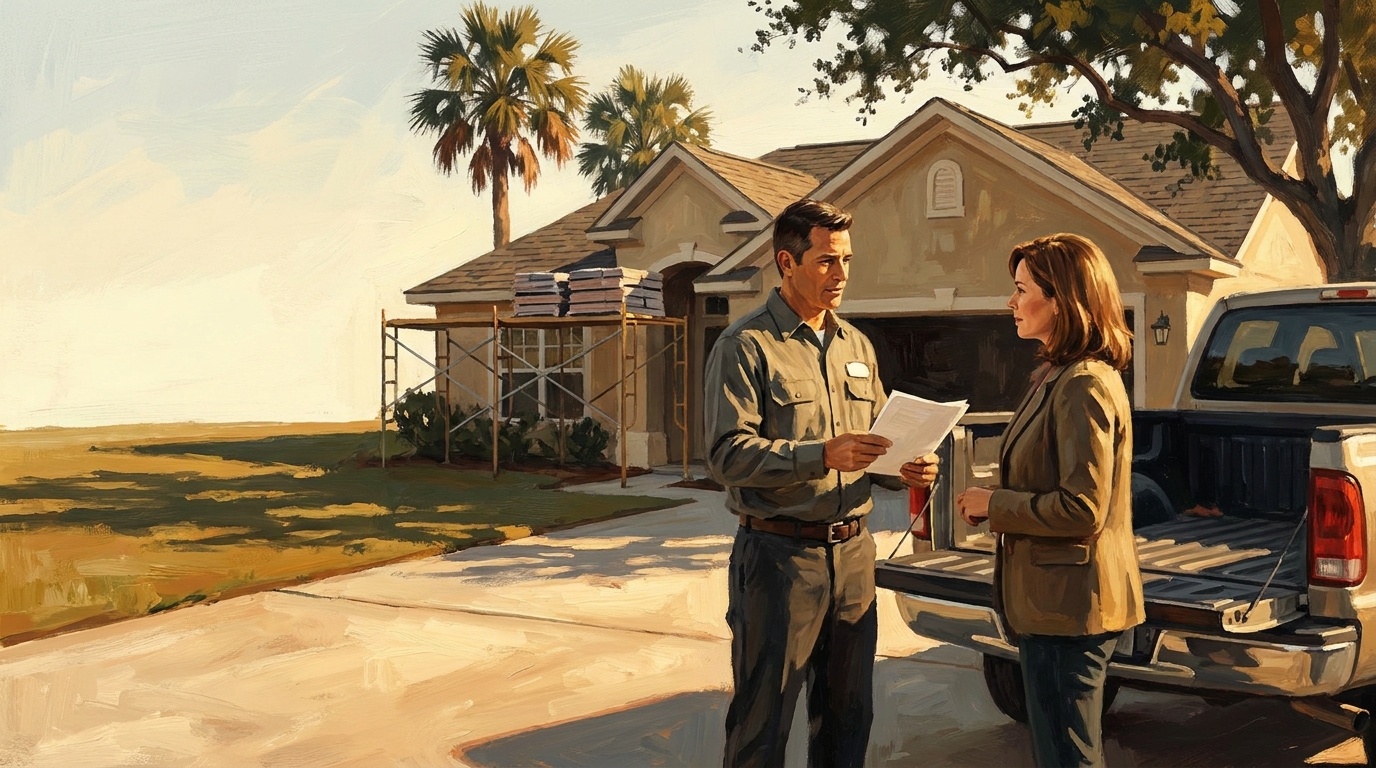
After the finish material is installed, the crew performs a cleanup sweep with rolling magnets to collect loose nails from your lawn and driveway, hauls the dumpster away, and schedules the final inspection with the local permitting authority. The jurisdictional inspector verifies nailing patterns, flashing, and ventilation against the permit — scheduling typically happens within a few business days of job completion.
You should also receive your manufacturer warranty registration, final invoice, and photo documentation of the deck condition and installed assembly. For GAF shingle systems installed by a GAF Master Elite contractor — a certification held by only about 2–3% of roofing contractors nationwide — enhanced warranty options are available that aren't offered through standard installers.
What does a smooth Tampa roof installation actually feel like?
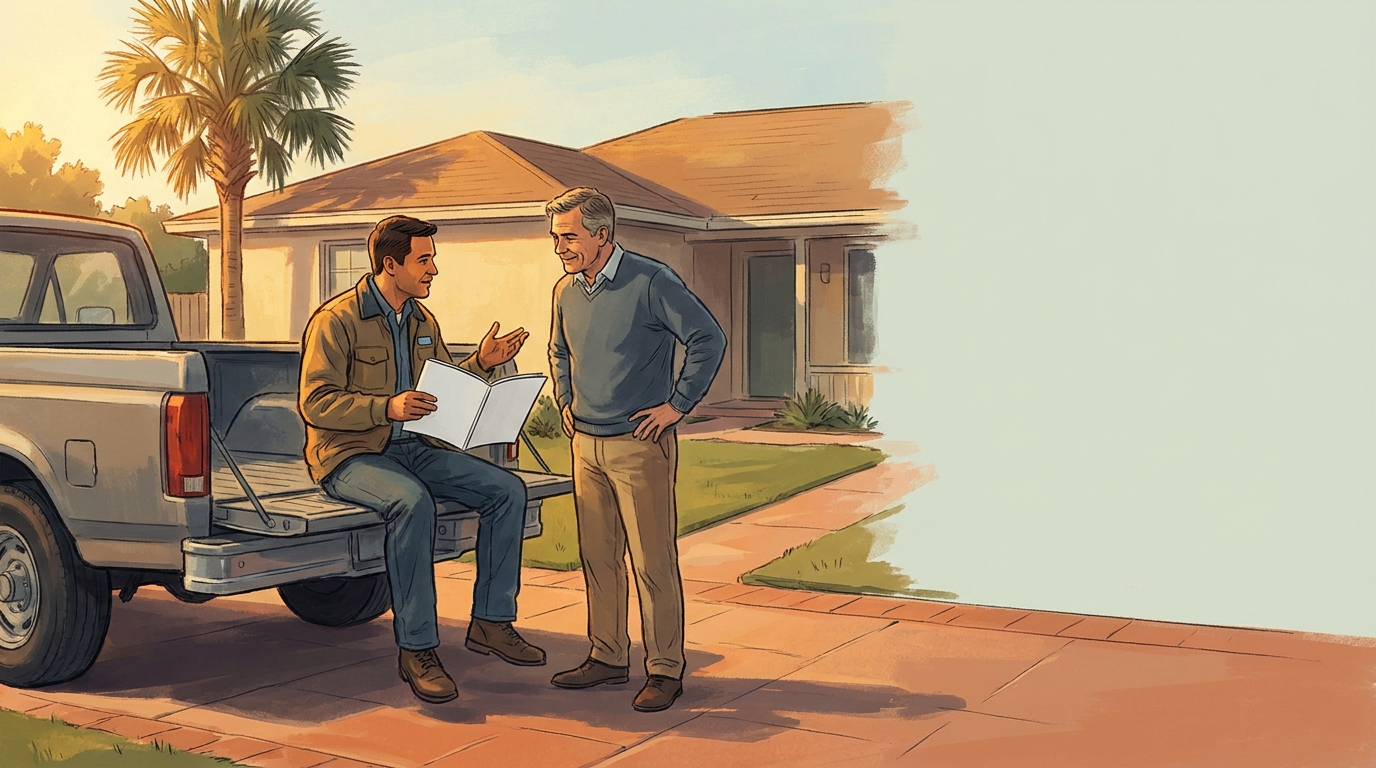
A well-run job is quiet in the ways that matter: the quote arrives fast, the permit is pulled without you chasing it, insurance and license documents show up unprompted, the crew arrives when they said they would, and the yard looks the same when they leave as when they came. One recent SCM Roofing customer summed up that experience:
Had a great experience with SCM roofing. Needed a roof put on for the sale of my parents house that was closing in 3 weeks. Robbie got a quote to me quickly, ensured the permits were pulled, the replacement was done and the inspection happened with time to spare. I loved how Robbie sent me copies of their insurance as well as their license before i asked. No other roofer did that and his quote was very competitive. Jose and his crew were wonderful. They were timely and efficient. It was an easy experience at each stage and I'm pleased with the results of the installation. Thanks so much Robbie.
Frequently asked questions about Tampa roof installations
Do I need to leave the house during a roof installation?
No, you do not need to leave the house during a Tampa roof installation, but many homeowners choose to spend the day elsewhere because of the noise and vibration. Water and power stay on. If you work from home or have small children napping, plan to be out for most of tear-off day in particular — that is the loudest stretch of the project.
Will my homeowners insurance be affected by a new roof?
A new roof typically improves your Florida homeowners insurance position because insurers weight roof age and wind-mitigation features heavily. After installation, request a wind mitigation inspection from a licensed Florida inspector — the report documents features like roof-to-wall attachments and secondary water barriers that can meaningfully lower premiums. Your roofing contractor is not permitted to promise specific insurance outcomes.
What time of year is best for a roof replacement in Tampa?
The driest windows in Tampa run from late October through May, which is also when most homeowners schedule non-emergency replacements. Scheduling before hurricane season begins is ideal if your roof is already compromised. That said, qualified Tampa crews install year-round and simply work around the afternoon storm pattern during summer months.
Do contractors need to replace plywood decking during a Tampa roof installation?
Decking replacement is quoted as a per-sheet additional cost because the amount needed cannot be known until the old roof is removed. In older Tampa homes, expect at least some sheathing to need replacement due to decades of humidity exposure, pest damage, or prior leak history.
How do I verify my Tampa roofer is properly licensed?
Verify your roofer at the Florida Department of Business and Professional Regulation website by searching their state license number, which should begin with CCC for a certified roofing contractor. Confirm the license is active, that general liability and workers' compensation insurance are current, and that the company name on the license matches the name on your contract. SCM Roofing's Florida license number is CCC1331132.
What happens if it rains during my roof installation?
If rain threatens during installation, the crew will dry-in any exposed deck with underlayment or heavy-duty tarps before stopping work, so your home stays protected. In Tampa, pop-up thunderstorms during rainy season are routine, and experienced crews plan the day around radar. Finish work may be delayed by a day or two, but a properly dried-in roof will not leak overnight.
Working with a Tampa roofer
Knowing what to expect takes most of the stress out of a roof replacement. The job is loud, fast, and finished in days — not weeks — when the contractor handles permitting, materials, and inspections cleanly. With 25+ years of experience and GAF Master Elite status, SCM Roofing works on shingle, tile, and metal systems across Tampa and installs down to the deck on every project. Homeowners who want to get a roof installation scheduled or ask questions about the process can reach SCM Roofing at (855) 726-7663 or https://scmroofingfl.com.