If you own a home in Tampa, your roof is the single most important system protecting your investment — and choosing who works on it is one of the higher-stakes decisions you'll make as a homeowner. The Tampa Bay roofing market is large, fragmented, and crowded with family-owned firms, regional brands, and the occasional out-of-state crew that shows up after a storm. Sorting genuine local pros from transient operators takes a clear framework.
This comparison walks through the criteria that actually matter when evaluating Tampa roofing companies in 2026 — the licensing, certifications, storm-response capability, pricing realism, and code knowledge that separate a strong contractor from a risky one.
Why Comparing Tampa Roofing Contractors Is Different
Roofing in Tampa isn't like roofing in a low-risk inland market. The Gulf Coast climate, hurricane exposure, and Florida's volatile property insurance environment mean your contractor needs to be more than competent with shingles. They need to understand wind uplift, secondary water barriers, insurance documentation, and the Florida Building Code's high-velocity wind requirements.
The market reflects that complexity. Most Tampa roofers are mixed residential/commercial firms rather than pure specialists, and many are multi-generational family businesses. A few — like Coastal Brothers Roofing, Rescue Roofing of Tampa, and PITCH Roofing — have built recognizable local reputations with strong reviews, BBB accreditation, or Owens Corning certification. SCM Roofing operates in this same local-expertise category, focused on residential work for Tampa Bay homeowners and currently holding a 4.9-star rating across 239 Google reviews.
What you're really comparing isn't logos. It's how each contractor handles the five things that matter most in this market.
1. Licensing and Insurance: The Non-Negotiable Floor
Every legitimate Tampa roofer must hold a Florida Certified or Registered Roofing Contractor license through the Florida Department of Business & Professional Regulation, plus general liability and workers' compensation insurance. You can verify license status directly through DBPR's public lookup.
This is the baseline, not a differentiator. Any contractor who can't produce a current license number and insurance certificate on request is disqualified — full stop. The risk of hiring an unlicensed roofer in Florida isn't theoretical. If a worker is injured on your property and the contractor lacks workers' comp, liability can land on you.
After major storms, Tampa sees a predictable wave of out-of-state "storm chaser" crews. License verification is your first defense.
2. Manufacturer Certifications and Warranty Backing
Manufacturer certification programs are one of the clearest quality signals in Tampa's market. Owens Corning Preferred and Platinum Preferred status — held by contractors like Rescue Roofing of Tampa (Platinum Preferred) and PITCH Roofing (Preferred) — allow contractors to offer extended system warranties up to 50 years. GAF Master Elite certification, held by SCM Roofing, is another top-tier credential that unlocks enhanced warranty coverage and signals verified installation quality.
These certifications aren't just marketing. To maintain them, contractors must meet installation quality standards, carry proper insurance, and maintain customer satisfaction metrics. For a Tampa homeowner, the practical benefit is twofold:
- Warranty depth. A top-tier system warranty covers materials and workmanship together, rather than the typical fragmented coverage.
- Vetted installation. Certification implies the manufacturer has reviewed the contractor's installation practices.
When you compare bids, ask which manufacturer programs each contractor is enrolled in, and what warranty tier they're offering on your specific job. One customer noted that SCM Roofing's GAF Master Elite status was a deciding factor, writing that the company "stood out from the rest for several reasons" including certification, fair pricing, and outstanding customer service.
3. Local Track Record and Multi-Generational Presence
Tampa's strongest roofing companies tend to be deeply local. Coastal Brothers Roofing is a third-generation, BBB-accredited family business with hundreds of five-star Google reviews. Rescue Roofing of Tampa cites four generations in the trade and a long track record specifically in this market. Tampa Roofing Company has long-standing local visibility through review platforms like Angi.
This matters because Tampa-specific knowledge — how a roof needs to be detailed for a Hyde Park bungalow versus a newer South Tampa build, how Hillsborough County inspectors interpret deck re-nailing requirements, which underlayments perform in sustained 90%+ summer humidity — is not generic skill. It's earned over years of working in this exact climate.
When comparing contractors, ask how long they've worked in Tampa specifically, not just "in Florida" or "in the industry."
4. Storm Response and Insurance Claim Support
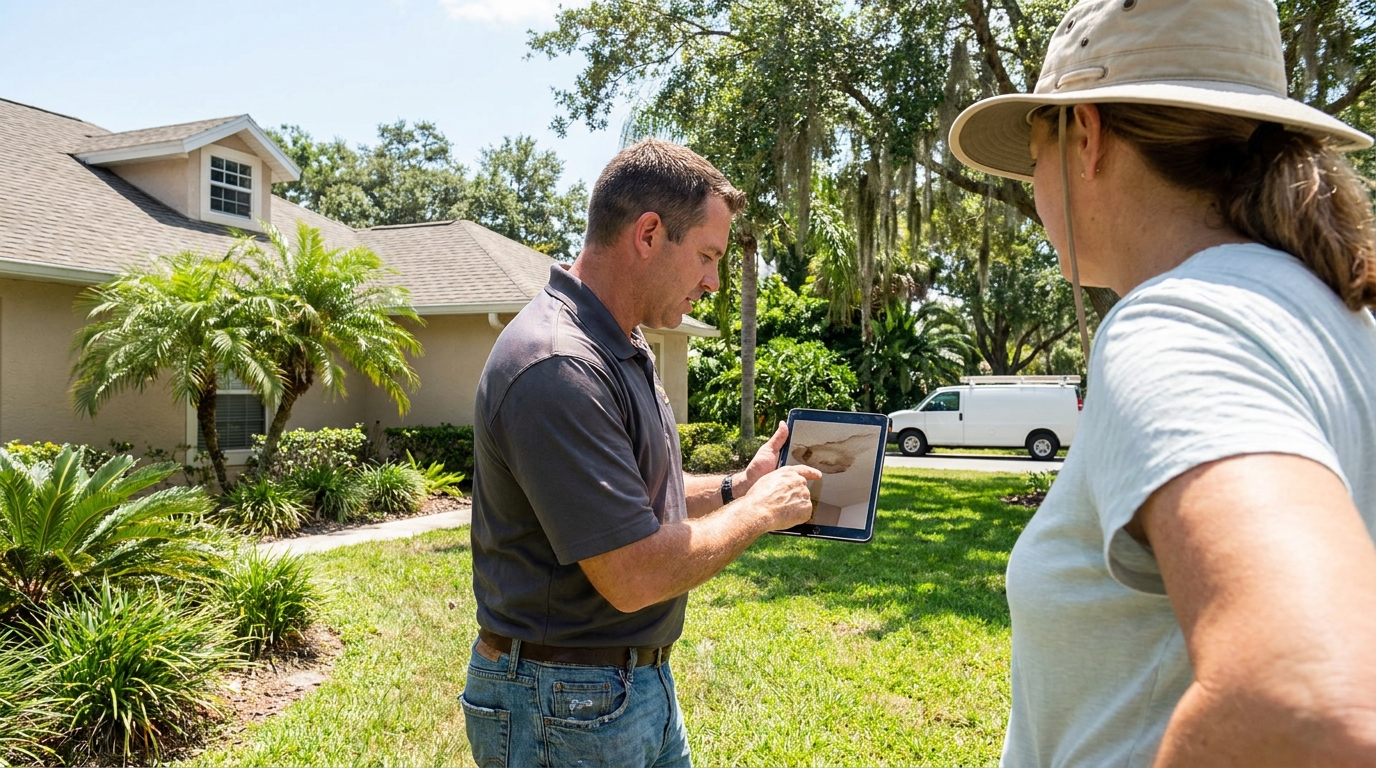
If you live in Tampa long enough, you'll deal with a storm-damaged roof. The contractor you choose should be prepared to respond fast — emergency tarping, documented inspections, photo evidence for adjusters — and to work alongside your insurance carrier without overpromising.
Several Tampa firms have built their identities around storm response. Rescue Roofing of Tampa explicitly markets insurance claim support and storm damage documentation. Coastal Brothers Roofing offers emergency roofing services. PITCH Roofing handles storm damage restoration across its Seminole, Tampa, Ruskin, and Delray Beach offices.
The right time to vet a contractor's storm response isn't the day after a hurricane — it's now, before hurricane season is in full swing. Ask how quickly they can get an inspector on-site after a named storm, and whether they handle claim documentation in-house or hand it off.
5. Pricing Transparency and Realistic Estimates
Tampa roofing pricing varies widely by material, home size, and code-upgrade requirements. Based on current Florida market norms, here's what you can reasonably expect:
- Asphalt shingle re-roof on a standard single-family home: $6,000 to $15,000+
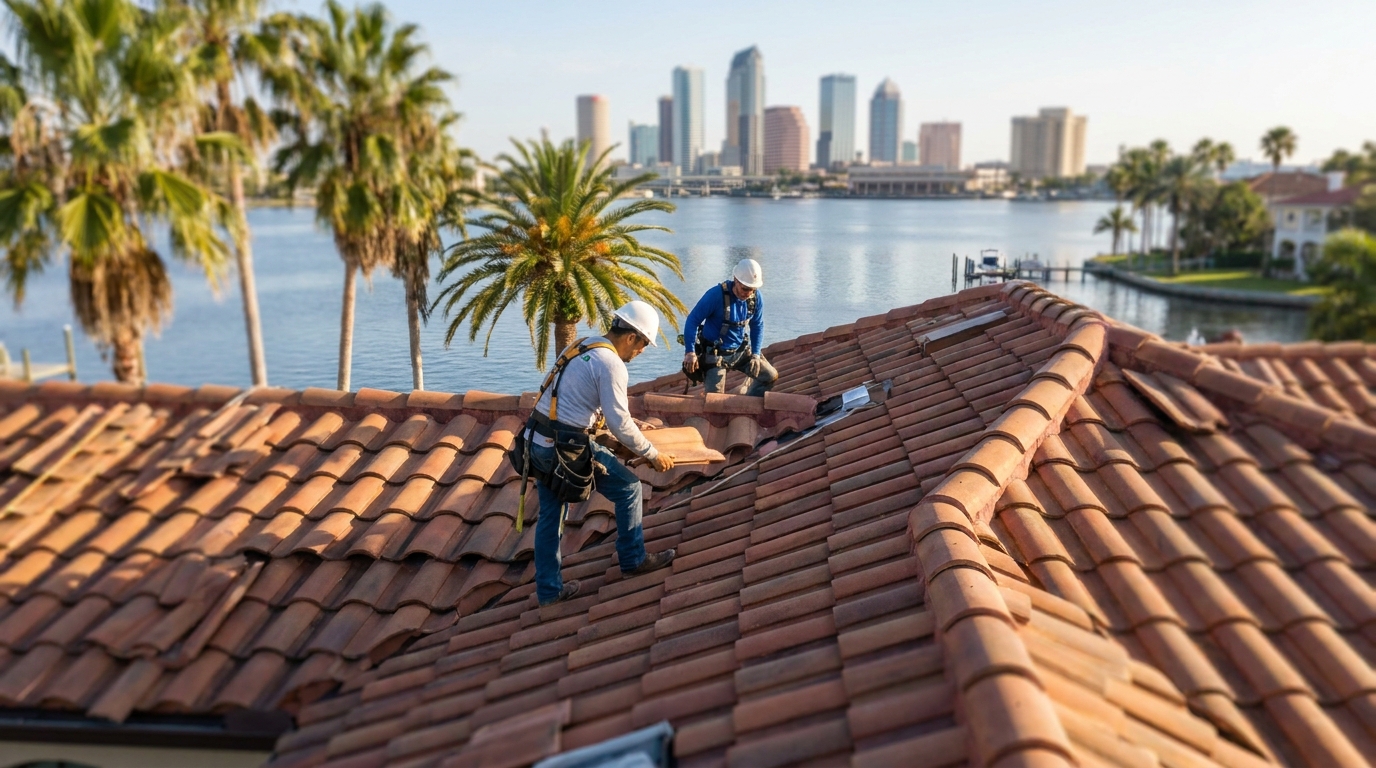
- Concrete or clay tile re-roof: $15,000 to $30,000+, typical for many Tampa homes built with tile
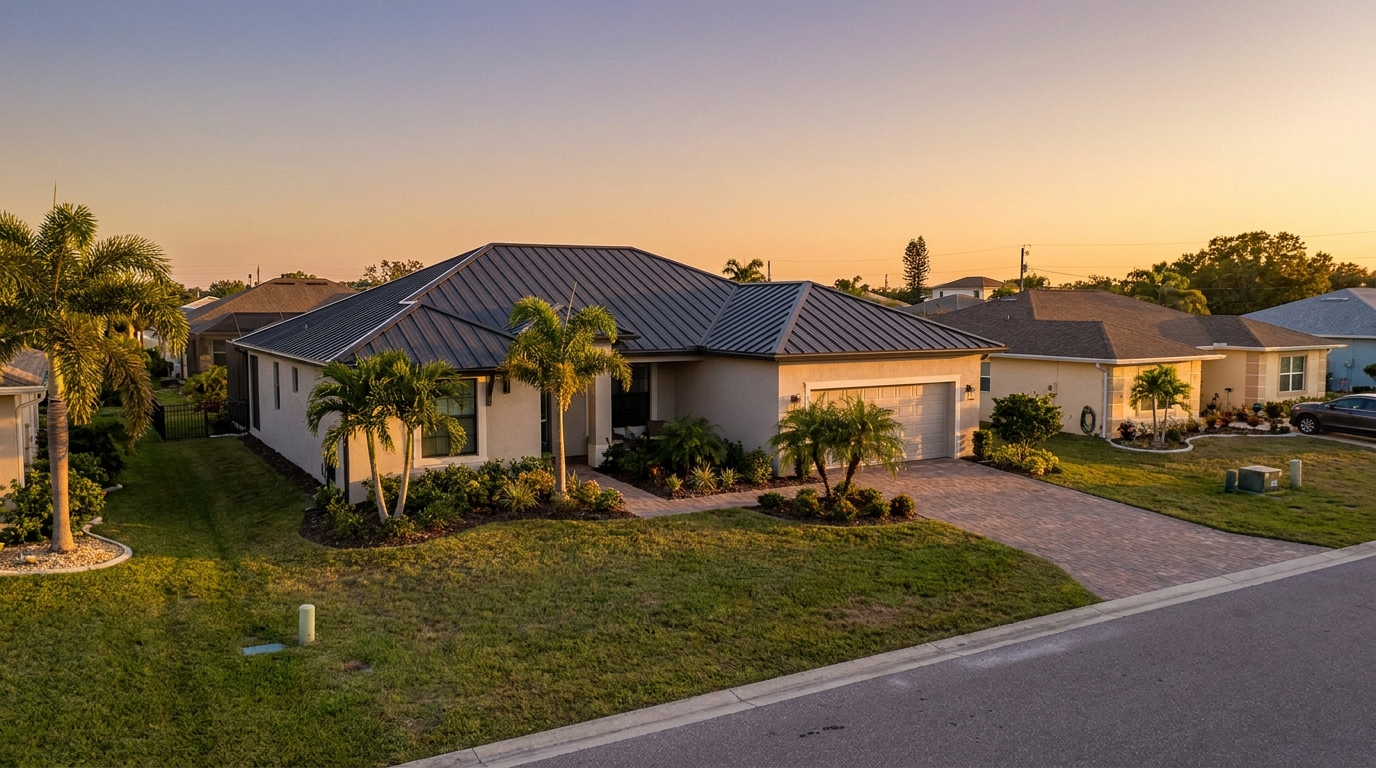
- Metal roofing (residential): comparable to or slightly below tile on total installed cost; above shingle pricing
- Minor to moderate repairs: hundreds to several thousand dollars depending on scope
These are ranges, not quotes. Reputable Tampa contractors — including SCM Roofing — provide free custom estimates rather than published price sheets, because the real number depends on tear-off complexity, deck condition, code upgrades, and material selection. One customer described SCM Roofing as offering "the best priced quote even when using the best quality materials," which reflects the value of getting multiple itemized bids before committing.
A bid that comes in dramatically below this range should raise questions. So should one that's vague about what's included. Look for line-item clarity on tear-off, underlayment, flashing, deck repair allowances, and permit fees.
Florida Building Code: The Hidden Variable in Your Bid
Re-roofing an older Tampa home often triggers code upgrades under the Florida Building Code — including deck re-nailing, secondary water barriers, and enhanced fastening systems for wind uplift resistance. These upgrades are required by code but may not be fully reimbursed by your homeowners insurance policy.
This is where a knowledgeable contractor earns their fee. A strong Tampa roofer will walk you through which code-upgrade items apply to your specific home, what the out-of-pocket exposure looks like, and which line items the City of Tampa or Hillsborough County building department will inspect before final sign-off.
If a contractor glosses over code-upgrade costs in their initial estimate, expect surprise change orders mid-project.
HOA Restrictions and Material Choices
Many Tampa neighborhoods — particularly newer suburban developments and master-planned communities — have HOA restrictions on roof material, color, and profile. If you're considering switching from shingle to metal, or from tile to shingle, confirm HOA approval before signing a contract. A capable contractor will ask about this during the estimate; a careless one won't.
How to Run a Real Comparison
When you sit down with bids from two or three Tampa roofing companies, structure your comparison around these questions:
- Are you Florida Certified or Registered, and can I see your DBPR license number and current insurance?
- What manufacturer certifications do you hold, and what warranty tier applies to my job?
- How long have you specifically worked in Tampa, and can you share local references?
- What's your storm response process, and do you handle insurance documentation in-house?
- What code upgrades will my home likely trigger, and how are they priced in your bid?
- What financing options do you offer, if any?
Frequently Asked Questions
How much does a new roof cost in Tampa in 2026?
A standard asphalt shingle re-roof on a single-family Tampa home typically runs $6,000 to $15,000+. Tile re-roofs run $15,000 to $30,000+. Metal roofing falls between tile and shingle on total installed cost. Final pricing depends on home size, tear-off, deck condition, and Florida Building Code upgrades.
Do I need a permit to replace my roof in Tampa?
Yes. Roofing projects in Tampa generally require building permits and final inspections through the City of Tampa or Hillsborough County building department, depending on your address. Your contractor should pull the permit — not you.
How do I verify a Tampa roofer's license?
Florida Certified and Registered Roofing Contractor licenses are searchable through the Florida Department of Business & Professional Regulation's public license lookup.
What's the best time of year to replace a roof in Tampa?
Late fall through early spring — outside peak hurricane season and before the deepest summer humidity — tends to offer the most predictable scheduling and weather windows. Many homeowners plan replacements ahead of hurricane season, which begins June 1 each year.
What questions should I ask when comparing roofing bids in Tampa?
Ask every contractor to confirm their DBPR license number, current insurance certificates, manufacturer certifications, and the specific warranty tier that applies to your job. Also ask how they handle Florida Building Code upgrade costs and whether they pull permits directly. These questions separate contractors who are operationally prepared from those who aren't — before you sign anything.
Does homeowners insurance in Florida cover roof replacement in 2026?
Coverage depends on your policy, the cause of damage, and your roof's age and condition. Florida insurers have tightened underwriting standards, and some policies now depreciate older roofs significantly. A knowledgeable Tampa contractor can help document storm damage properly for your adjuster, but confirm your actual coverage terms with your insurance agent before the project begins.
The Bottom Line
The best Tampa roofing companies share a recognizable profile: properly licensed and insured in Florida, certified by major manufacturers, deeply local with a multi-year (or multi-generational) track record, fluent in storm response and insurance claims, and transparent about Florida Building Code upgrade costs. Several Tampa Bay firms meet that bar, and the right choice for your home depends on material preference, scheduling, and how comfortable you feel with the team after the estimate.
Homeowners in Tampa who want a straightforward residential roofing assessment can reach SCM Roofing at https://scmroofingfl.com for a free estimate and a walkthrough of what a Florida Building Code-compliant replacement looks like for their specific home.