If you manage apartment complexes, townhome communities, or condominium associations along Florida's Gulf Coast, you already know that roofs aren't just an asset — they're a liability waiting to happen. A single leak in a stacked unit can damage multiple apartments, trigger insurance claims from multiple tenants, and put your management company in an uncomfortable conversation with the board. Multiply that risk across a portfolio of buildings, and roof management stops being a maintenance line item and becomes a strategic priority.
This guide walks through what effective multi-family roofing in Bradenton actually looks like — from inspection cadence and hurricane prep to code compliance and contract structure. It's written for property managers, HOA boards, and asset managers who want to get ahead of roof problems instead of reacting to them.
Why Multi-Family Roofing in Bradenton Demands a Different Approach
Single-family roof work is straightforward: one homeowner, one decision-maker, one roof. Apartment complex roofing is a different animal. You're coordinating around occupied units, parking logistics, dumpster placement, tenant communications, and often multiple buildings on a single property. Add Bradenton's coastal climate — relentless UV, summer humidity, salt air drift from Anna Maria Sound, and an extended hurricane season — and the margin for error gets thin.
The roofs you're managing in neighborhoods like West Bradenton, Cortez, Bayshore Gardens, and the corridor running toward Lakewood Ranch are aging in conditions that punish materials. Asphalt shingles that might last decades in a milder climate often need replacement significantly sooner here. Flat and low-slope sections common on garden-style apartments accumulate ponding water during the rainy season. And in the wake of Hurricane Ian's effects on Manatee County, insurance carriers are scrutinizing roof condition more aggressively than ever during renewal.
The Core Components of a Multi-Unit Roof Maintenance Program
A genuine maintenance program — not just an emergency-call relationship — should include the following:
Scheduled Biannual Inspections
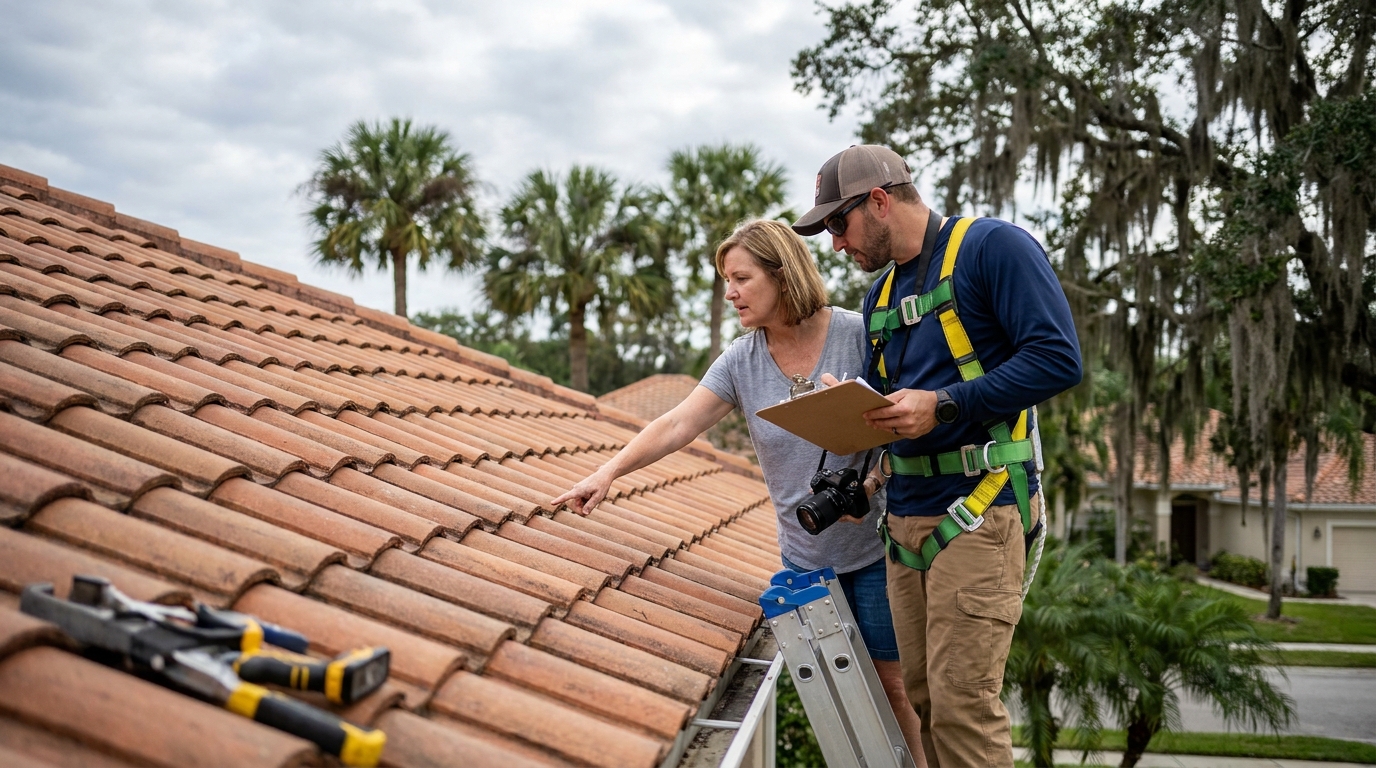
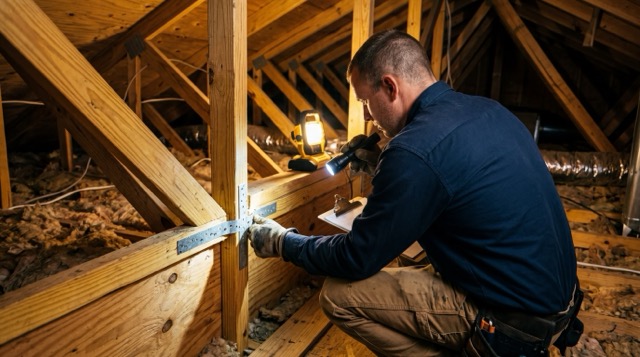
Two inspections per year is the baseline for multi-family properties in this climate: one in late spring before hurricane season and one in late fall after the storm window closes. Inspectors should document flashing condition, fastener integrity, sealant degradation around penetrations, debris accumulation in valleys and drains, and any soft decking underneath.
Photo and Report Documentation
Every inspection should produce a written report with photos keyed to building and elevation. This documentation matters for three reasons: it gives your board or asset manager evidence of stewardship, it builds a history that supports insurance claims after storm events, and it creates a defensible paper trail if a tenant ever pursues a habitability complaint.
Preventive Repairs Before They Escalate
The whole point of a maintenance contract is catching small sealant work before it becomes tens of thousands of dollars in interior drywall, flooring, and tenant relocation costs. Common preventive items on Bradenton multi-family buildings include resealing pipe boots, replacing lifted shingles, clearing scuppers and internal drains, and addressing flashing separation around HVAC curbs.
Storm Response Protocols
Your roofing partner should have a defined post-storm response plan: who calls whom, how quickly tarping crews mobilize, and how damage is documented for insurance purposes. After a named storm, every hour of delay can mean another inch of water in occupied units.
Bradenton and Florida Code Considerations
Roofing work on multi-family buildings in Manatee County requires permitting through the appropriate building department, and projects must comply with the Florida Building Code, which has some of the most stringent wind-uplift requirements in the country. For multi-family structures, you should expect:
- Permit pulls for any reroof or significant repair, with inspections at dry-in and final stages
- Compliance with current high-velocity wind zone provisions where applicable
- Secondary water barrier requirements on reroofs
- Updated fastening schedules that exceed what was code when the building was originally constructed
Reputable contractors handle the permit process as part of the job. If a bid comes in suspiciously low and the contractor suggests skipping permits on a multi-unit building, that's a structural risk to your association and a liability exposure you don't want.
What Bradenton Property Management Roofing Contracts Should Include
When you're evaluating proposals for ongoing service, look for these contract elements:
- Defined scope of work — exactly what's inspected, how often, and what's included versus billed separately
- Response time commitments — defined response time commitments for non-emergency calls and prompt response for active leaks
- Transparent pricing — clear hourly rates and material markups for work outside the maintenance scope
- Manufacturer credentials — certifications like GAF Master Elite matter because they unlock enhanced warranties on full replacements
- Insurance and licensing documentation — current general liability, workers' comp, and Florida state contractor license, refreshed annually
- Communication protocols — a single point of contact who knows your portfolio rather than a rotating call center
SCM Roofing, LLC works with property managers across the Bradenton area on exactly this kind of structured maintenance relationship, and the company's GAF Master Elite certification supports stronger warranty coverage on full reroof projects when those become necessary.
Planning for Reroofs Across a Portfolio
Most multi-family portfolios in Bradenton include buildings of varying ages, which means reroofs need to be planned and budgeted on a rolling basis rather than treated as surprise capital events. A good roofing partner will help you build a 5- to 10-year capital plan that sequences buildings by remaining service life, coordinates with reserve study assumptions, and avoids stacking too many large projects into a single fiscal year.
Timing matters in this market. Reroof work is best scheduled during the dry season, when humidity is lower, rain events are less frequent, and your snowbird residents may actually appreciate the activity less than your year-round tenants would during summer. Booking ahead during the dry season also tends to secure better crew availability than scrambling for a slot during peak repair season after a storm.
Frequently Asked Questions
How often should multi-family roofs be inspected in Bradenton?
Twice a year at minimum — pre-hurricane season in spring and post-season in fall. Buildings over 15 years old or with prior leak history may benefit from quarterly walks.
What's the typical lifespan of an apartment complex roof here?
It depends on the system. Architectural asphalt shingles in Bradenton's climate have a notably shorter service life than in milder regions. Modified bitumen and TPO on flat sections can offer meaningful longevity with proper maintenance. Tile roofs can offer a long service life, though underlayment usually needs replacement before the tiles do.
Should we wait until a roof is leaking to replace it?
No. Once visible interior leaks appear, decking damage and insulation saturation have usually already occurred. Replacing on a planned timeline based on inspection findings is significantly cheaper than reacting to failure.
How does insurance factor into multi-family roofing decisions?
Florida carriers increasingly require roof condition certifications for buildings over a certain age, and many will non-renew policies on roofs they consider too old regardless of actual condition. Documented maintenance history helps in renewal negotiations and in claim disputes after storm events.
What credentials matter most when selecting a contractor?
State licensing, current insurance, manufacturer certifications like GAF Master Elite, local references on similar multi-family work, and a verifiable track record. SCM Roofing, LLC holds a 4.9-star rating from 239 Google reviews as of April 2026, reflecting the consistent communication and follow-through that property managers need across long maintenance relationships. One customer wrote: "great communication, great customer service, and a great overall roofing product."
How should an HOA board communicate roof work to residents in occupied communities?
Advance written notice is standard, covering work dates, affected buildings, parking restrictions, and contact information for questions. Boards should coordinate with their roofing contractor on sequencing so individual buildings have a defined work window. Clear communication reduces tenant complaints and gives crews unobstructed access, which keeps projects on schedule.
Can a multi-family building's roof age affect its insurability in Florida's current market?
Yes, and this is a live concern in 2026. Florida carriers are actively non-renewing or declining to renew policies on older roofs, sometimes regardless of documented condition. Boards and property managers who maintain inspection records and complete timely repairs have a measurable advantage in renewal negotiations and are better positioned when a carrier requests a roof certification.
Working With a Local Partner
Roof management on multi-family properties is ultimately a relationship business. The contractor who knows your buildings, your board's preferences, your tenant communication norms, and your budget cycle will deliver more value over five years than the lowest bid on any single project. Local matters here too — a Bradenton-based crew can be on-site within hours after a storm, not days, and understands the specific failure patterns coastal Manatee County buildings tend to develop.
Property managers and HOA boards in the Bradenton area who want to put a structured roof management program in place can contact SCM Roofing, LLC at https://scmroofingfl.com or by phone at (855) 726-7663 to discuss inspection schedules, maintenance contracts, and capital planning for their portfolios.
"