If you've ever climbed into your attic on an August afternoon in Tampa, you already understand the problem. Your roof is the single largest sun-exposed surface on your home — and in Florida's subtropical climate, the wrong roof is essentially a giant heat sponge sitting above your living room.
The good news: roofing materials and reflective technologies have come a long way. Choosing an energy efficient roof in Florida isn't just an environmental decision anymore. With Tampa Electric rates where they are in 2026 and cooling loads running roughly nine months a year, the math has shifted firmly in favor of cool roofs. Here's what Tampa homeowners should actually know before replacing the roof overhead.
Why Energy Efficient Roofing Matters More in Tampa Than Almost Anywhere
Energy efficiency is the next layer on top of that. A well-designed cool roof can significantly drop attic temperatures, which translates directly to lower AC runtime and a longer life for your HVAC system.
What "Cool Roof Technology" Actually Means
The term gets thrown around loosely. In practical terms, a cool roof reflects more sunlight and releases absorbed heat faster than a standard roof. Two metrics matter:
- Solar Reflectance (SR): the share of sunlight bounced back into the sky rather than absorbed.
- Thermal Emittance (TE): how efficiently the roof releases the heat it does absorb.
Combined, these produce the Solar Reflectance Index (SRI). The higher the SRI, the cooler the roof. Traditional dark asphalt shingles have a notably low SRI. ENERGY STAR-rated cool roofing products are required to meet minimum SRI thresholds that vary by roof slope. On a Tampa home running AC from March through November, that gap shows up on every monthly bill.
Energy Efficient Roofing Options Worth Considering in Florida
1. Florida Energy Efficient Shingles (Reflective Asphalt)
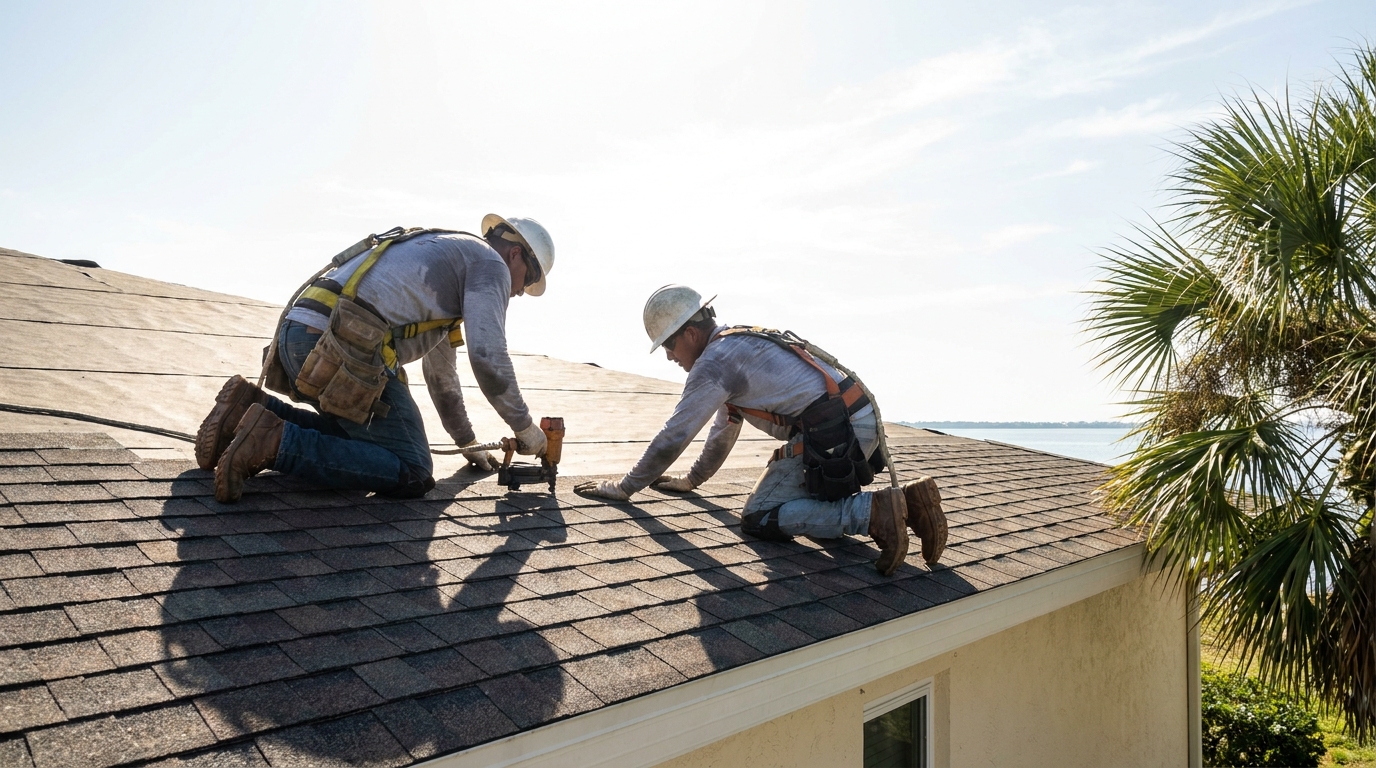
Modern reflective asphalt shingles use specially engineered granules that bounce infrared radiation while still looking like a conventional shingle. For most Tampa homeowners, this is the most cost-effective upgrade — you keep the familiar architectural look of a shingle roof, satisfy HOA aesthetic rules common in neighborhoods like Westchase, FishHawk, and New Tampa, and gain meaningful reflectance.
Expect a modest premium over standard shingles, often recouped through cooling savings within several years. As GAF Master Elite contractors, the team at SCM Roofing installs these systems regularly and can walk you through which color and product lines hold their reflectance longest in Florida's UV exposure. One customer noted that SCM Roofing stood out because they are "GAF Master Elite Certified" with "outstanding customer service" and a contract that was not one-sided.
2. Metal Roofing
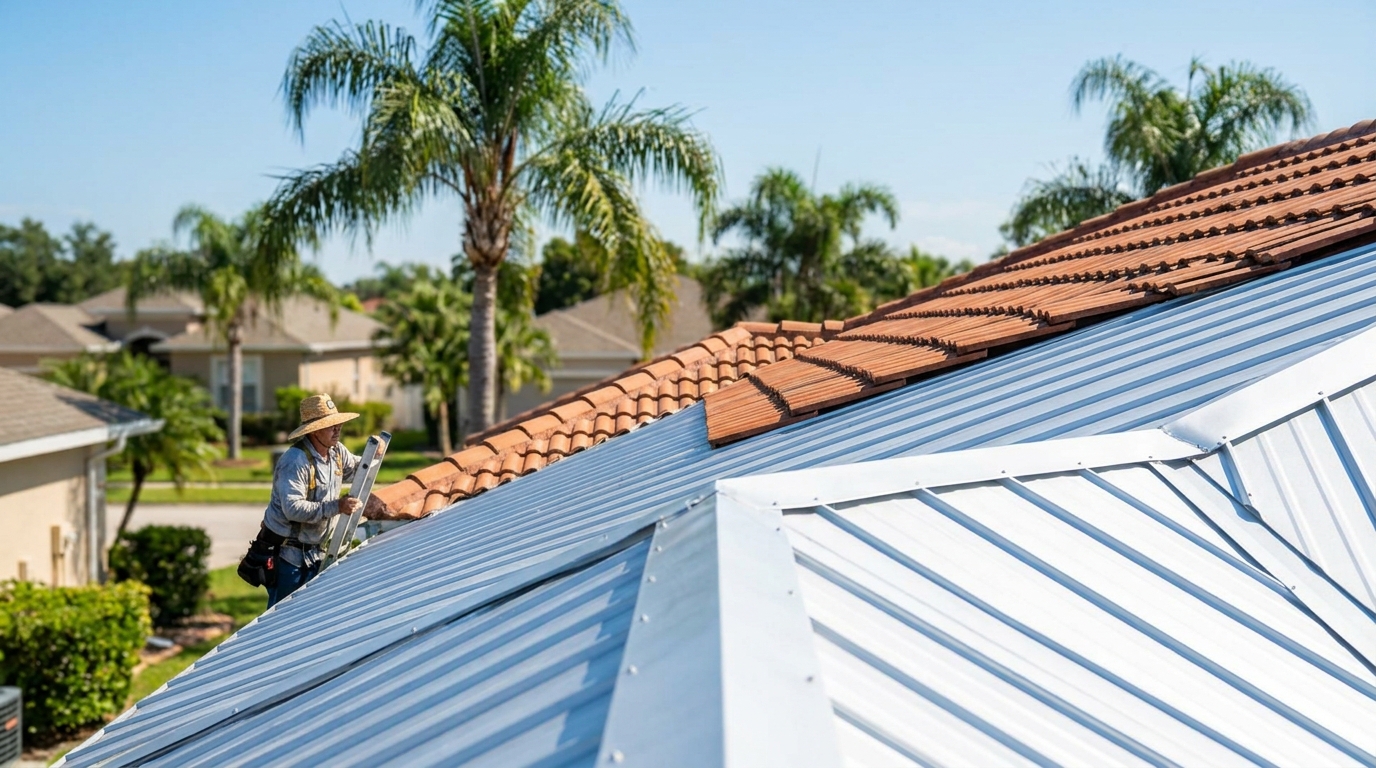
A light-colored metal roof can reflect a significant share of solar radiation, offers a long service life, and handles hurricane-force winds exceptionally well when properly fastened to current code. The upfront cost is higher than shingles, but the lifecycle math often favors metal for homeowners planning to stay 15+ years.
Metal also pairs naturally with solar panel additions and works well on both modern coastal homes in South Tampa and on the bungalows you'll see in Seminole Heights or Hyde Park, depending on profile choice.
3. Tile Roofing (Concrete and Clay)
Tile is everywhere in Florida for good reason. The natural air gap between tiles creates a thermal break that radiant heat has to cross before reaching the deck. Light-colored concrete tile with a reflective finish performs particularly well in our climate. Clay tile, common on Mediterranean Revival homes around Davis Islands and Bayshore, offers similar benefits with a longer aesthetic lifespan.
The tradeoff is weight — tile requires structural capacity many older Tampa homes don't have without reinforcement — and a higher installed cost. When the structure supports it, tile is one of the most durable energy-efficient choices available.
4. Reflective Coatings for Flat and Low-Slope Roofs
If you have a flat or low-slope section — common on additions, lanais, or mid-century homes — a white elastomeric or silicone coating over a properly prepared substrate can deliver very high SRI values. These systems are particularly useful on commercial buildings around the Westshore business district and on residential flat-roof sections that bake all day.
ENERGY STAR Roofing: What the Label Actually Tells You
An ENERGY STAR certification means the product meets EPA criteria for initial and three-year-aged solar reflectance. That "aged" piece matters in Florida — a roof that starts reflective but loses 40% of its reflectance after two summers of pollen, algae, and UV is not actually saving you much. The ENERGY STAR label confirms the product was tested for sustained performance, not just out-of-the-box numbers.
When comparing quotes, ask the contractor to specify the exact product line and confirm its ENERGY STAR listing and aged SRI value. Reputable installers like SCM Roofing will put this in writing on the proposal — vague references to "cool shingles" without product documentation are a red flag.
Long-Term Savings: What Tampa Homeowners Actually See
The savings depend on your home's age, attic insulation, ductwork condition, and how you run your AC. Research has generally found that cool roofs can meaningfully reduce annual cooling energy use in Florida homes. On a Tampa home with significant summer electric bills, that's a meaningful number compounded over the life of the roof.
The other savings are less obvious but real:
- Reduced wear on your AC compressor (often the most expensive component to replace)
- Lower attic temperatures, which protect ductwork and stored items
- Potential homeowners insurance discounts for impact-rated and wind-mitigated roofing systems in Hillsborough County
- Possible eligibility for federal energy efficiency tax credits — verify current 2026 program details with a tax professional, as the rules continue to evolve
How to Choose the Right Energy Efficient Roof for Your Home
The best material depends on your home's structure, your aesthetic preferences, your HOA, and how long you plan to stay. A few practical filters:
- Match the material to the structure. Don't put tile on a frame that can't carry it.
- Prioritize aged SRI, not just initial reflectance. Florida sun is unforgiving.
- Verify Florida Product Approval and Miami-Dade NOA where applicable. These confirm the product is rated for our wind environment.
- Use a contractor certified by the manufacturer. Manufacturer warranties on cool roof products often require certified installation to remain valid.
- Get a written workmanship warranty separate from the material warranty.
Frequently Asked Questions
Do I need to replace my whole roof to get energy savings?
Not always. If your roof has remaining life, a reflective coating, added attic insulation, or improved attic ventilation can deliver real savings without a full replacement. A roofer should be willing to tell you when a full tear-off isn't necessary.
Will a light-colored shingle look out of place in my Tampa neighborhood?
Modern reflective shingles are available in a wide palette, including warmer tones that maintain higher SRI than older dark options. Most Tampa HOAs approve them without issue, but it's worth checking your covenants before ordering material.
How long does an energy efficient roof installation take?
Tile and metal can take longer. Florida's afternoon thunderstorm pattern means scheduling some flexibility into the project — experienced crews plan around it.
Is it better to install before or after hurricane season?
That said, qualified contractors install year-round and use proper dry-in protocols when weather threatens an open deck.
Does attic ventilation affect how well a cool roof performs?
Yes, significantly. Even the most reflective roof delivers diminished returns if heat builds up in a poorly ventilated attic. Proper soffit-to-ridge airflow allows the attic to flush accumulated heat, lowering the thermal load on your living space and HVAC system. When getting a cool roof estimate, ask the contractor to assess your current ventilation as part of the project scope.
Are there Florida-specific incentives for energy efficient roofing in 2026?
Incentives vary by program and change frequently. Federal energy efficiency tax credits may apply to qualifying cool roof products — confirm eligibility with a tax professional for current 2026 rules. Some Florida utilities also offer rebate programs for qualifying upgrades. Contact SCM Roofing, LLC to discuss which products currently qualify and how to document your installation for any applicable credits or rebates.
The Bottom Line for Tampa Homeowners
An energy efficient roof in Florida isn't a luxury upgrade — it's increasingly the default choice for homeowners thinking past the next five years. Cool roof technology, ENERGY STAR-rated shingles, reflective metal, and properly specified tile all deliver real reductions in cooling load, and the savings compound every summer the roof is in service.
The variable is execution. The same product can perform very differently depending on installation quality, ventilation design, and whether the contractor knows how Florida's code, climate, and product approval requirements interact. SCM Roofing, LLC holds a 4.9-star rating across more than 239 Google reviews as of April 2026, with customers consistently citing exceptional communication, professional installation teams, quality materials, and competitive pricing. Homeowners in Tampa who want a straightforward conversation about energy efficient roofing options can reach SCM Roofing, LLC at https://scmroofingfl.com or by calling (855) 726-7663 for a free estimate and product comparison tailored to their home.
"