After a storm rolls through Sarasota, the first question most homeowners ask is the same: did my roof survive intact? Sometimes the answer is obvious — a tarp-worthy hole, shingles in the driveway, water staining the ceiling. Often, though, the damage is subtle. A lifted shingle here, a hairline crack in a tile there, a clogged valley you can't see from the ground.
This checklist walks you through what to look for after a storm, what's safe to inspect yourself, and when it makes sense to bring in a licensed roofer. It's written specifically for Sarasota's climate, housing stock, and storm patterns — not generic advice copied from a national blog.
Why Post-Storm Roof Inspections Matter in Sarasota
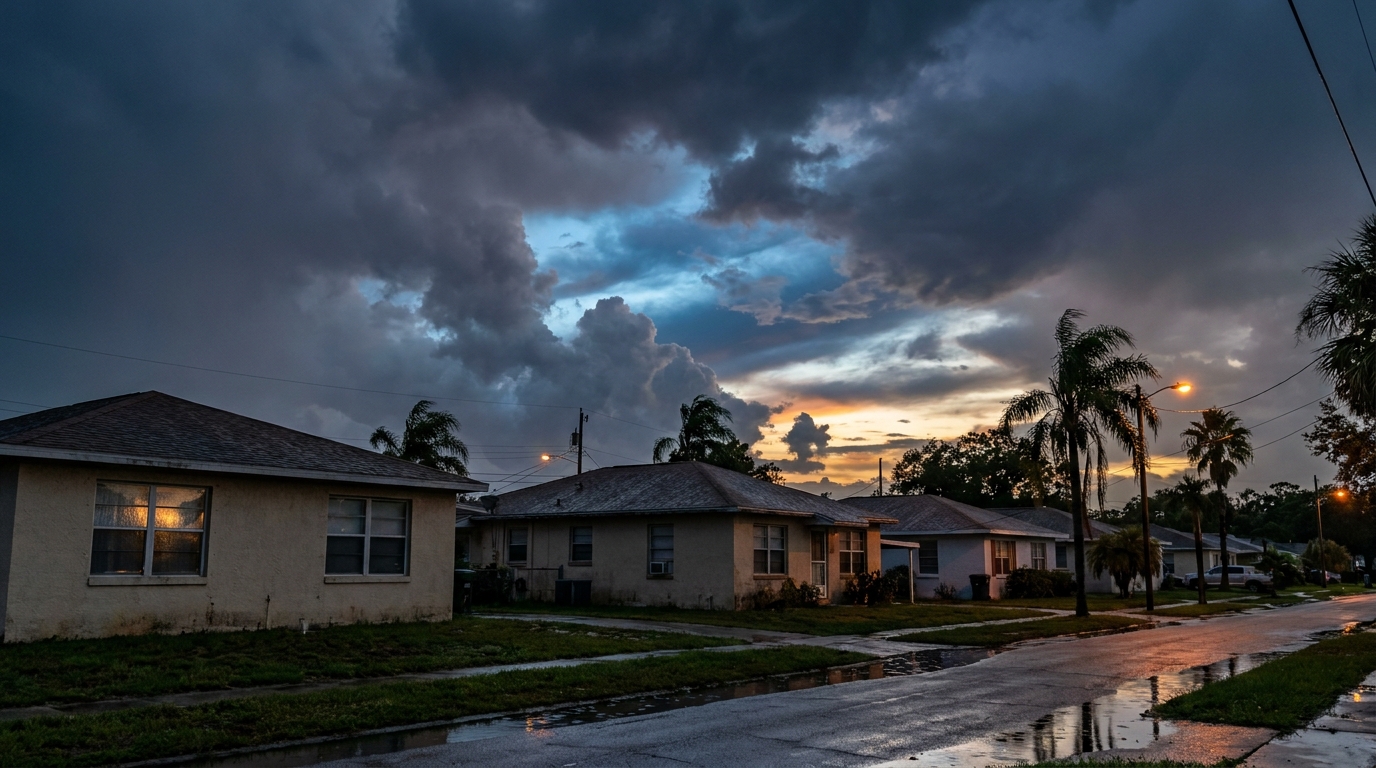
Sarasota sits in one of the most weather-exposed corridors on Florida's Gulf Coast. Even outside hurricane season, our daily summer thunderstorms produce microbursts that can lift shingles without leaving obvious damage at street level.
The catch: Florida insurance policies often impose strict deadlines for reporting storm damage, and waiting too long can cost you coverage. A quick post-storm walk-around — and documented findings — protects both your home and your claim rights.
Before You Climb: Safety First
Most of this checklist can be done from the ground with binoculars and a phone camera. We strongly recommend against walking on a wet, debris-covered, or steep-pitched roof.
If you're not comfortable on a ladder or your roof has a pitch steeper than 4:12, skip the climb. A professional roof damage assessment is free from most reputable local roofers, including ours.
The Sarasota Post-Storm Roof Inspection Checklist
1. Walk the Perimeter of Your Home
Start on the ground. Look for:
- Shingle granules collecting in gutter downspouts, splash blocks, or flowerbeds
- Full shingles, tile fragments, or metal flashing pieces in the yard
- Bent, detached, or sagging gutters and downspouts
- Fascia and soffit damage — especially on the windward side of the house
- Cracked or shifted roof tiles visible from below
Granule loss is one of the most under-reported signs of storm damage. If you see what looks like coarse black sand washing out of your downspouts after a storm, your shingles took a beating.
2. Inspect the Roof Surface From the Ground
Use binoculars or your phone's zoom. Scan every plane of the roof for:
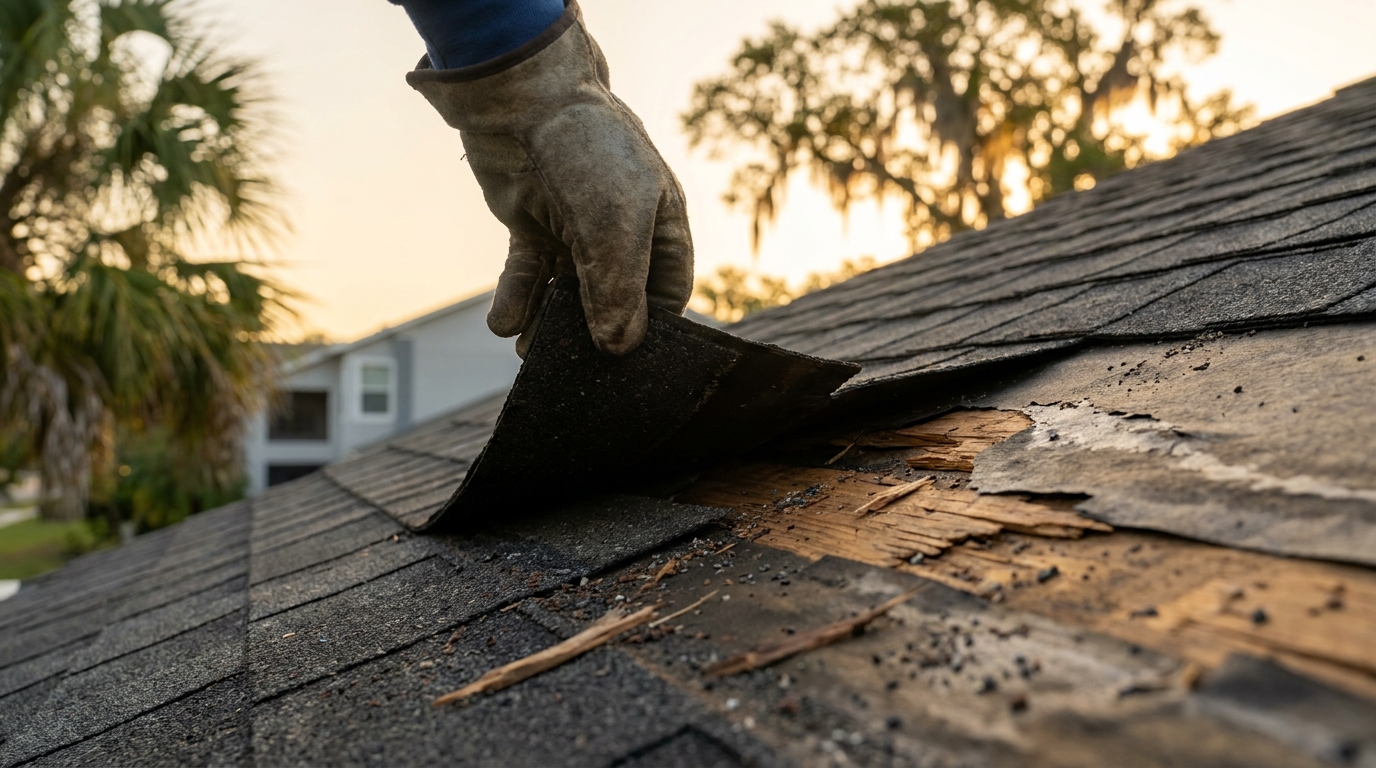
- Missing, lifted, curled, or creased shingles
- Cracked, slipped, or displaced tiles (common after hurricane-force gusts)
- Exposed underlayment or visible wood decking
- Dents on metal roofs, vents, or flashing (hail signature)
- Damaged ridge caps or hip lines
3. Check Flashing, Penetrations, and Valleys
Most roof leaks don't start in the middle of a shingle field — they start where the roof meets something else. Pay close attention to:
- Chimney and skylight flashing
- Plumbing vent boots (the rubber collars crack under Florida UV)
- HVAC curb seals on flat or low-slope sections
- Roof-to-wall transitions, especially on two-story homes
- Valleys clogged with palm fronds, oak debris, or pine needles
4. Inspect the Attic
If you can safely access your attic, bring a flashlight and look for:
- Daylight visible through the decking
- Wet insulation or water stains on trusses and rafters
- Active drips or rust on nail tips
- Mold or mildew smell (a sign of trapped moisture)
- Soft spots in the decking
Sarasota's humidity makes attic moisture problems escalate quickly. What looks like a minor stain in June can become full decking rot by September.
5. Inspect Interior Ceilings and Walls
Walk every room. Look up. Look at the top of exterior walls. Look for:
- New brown or yellow stains on ceilings
- Bubbling or peeling paint
- Warped drywall or trim
- Musty odors in closets directly under the roof
6. Document Everything
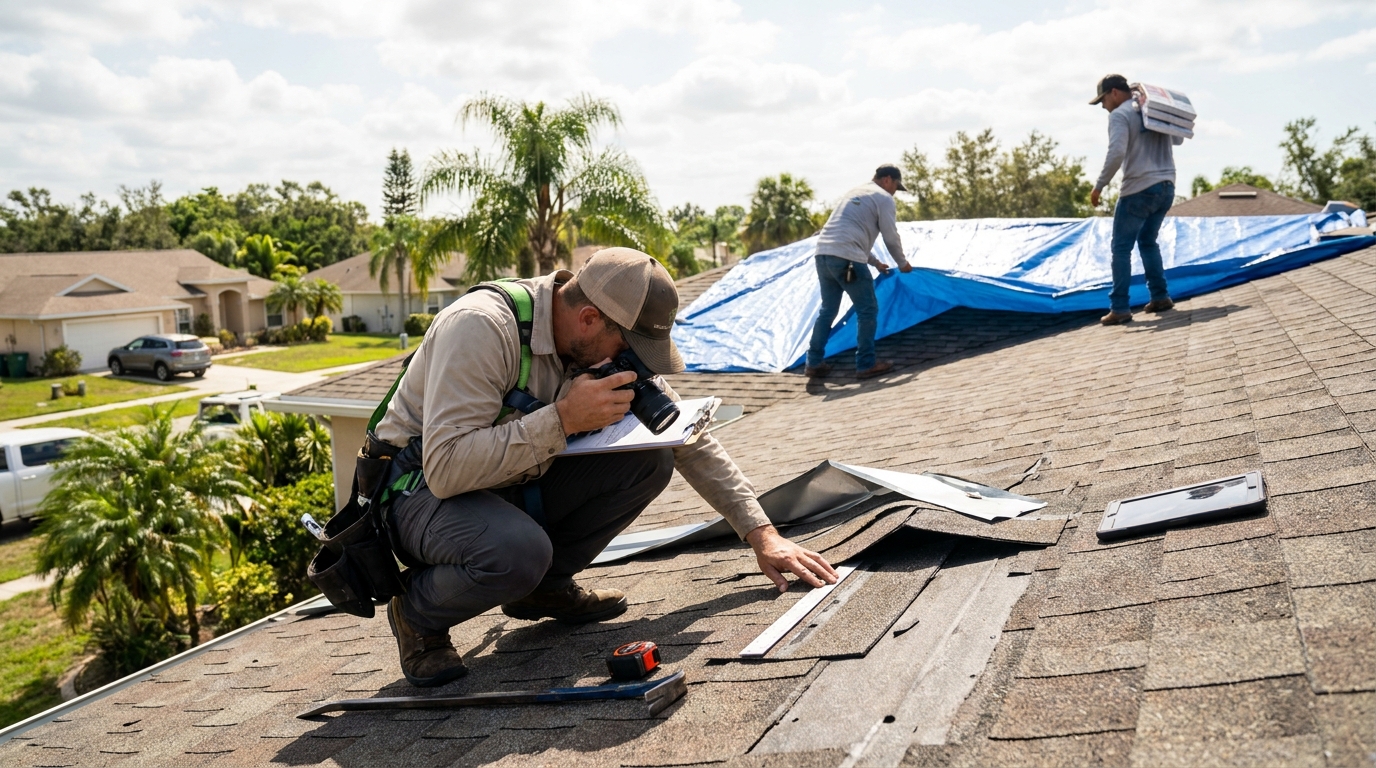
Photos and video, dated and time-stamped. Capture wide shots of each elevation, then close-ups of any damage. If you file an insurance claim, this documentation is the foundation of your case. Save weather reports from the storm date too — the National Weather Service Tampa Bay office archives them.
Sarasota-Specific Considerations
Florida Building Code and the 25% Rule
Recent legislation has modified how this rule applies in certain situations, but it still affects many older Sarasota homes. A licensed roofer can tell you whether your roof qualifies for repair or requires full replacement under current code.
Permit Requirements
Any roof repair beyond a very minor scope requires a permit pulled through Sarasota County or the City of Sarasota, depending on your address. Be skeptical of any contractor who offers to skip the permit — unpermitted work creates real problems at resale and can void your insurance coverage on future claims.
Insurance Timing
Most Florida homeowners insurance policies require you to report storm damage within a specific window after the loss. Check your policy. Don't assume you have unlimited time.
When to Call a Professional
Call a licensed roofer if you find any of the following:
- More than a handful of missing or damaged shingles or tiles
- Any visible decking or underlayment
- Active interior leaks
- Flashing damage at chimneys, skylights, or walls
- Tree contact or impact damage
- You're simply not sure what you're looking at
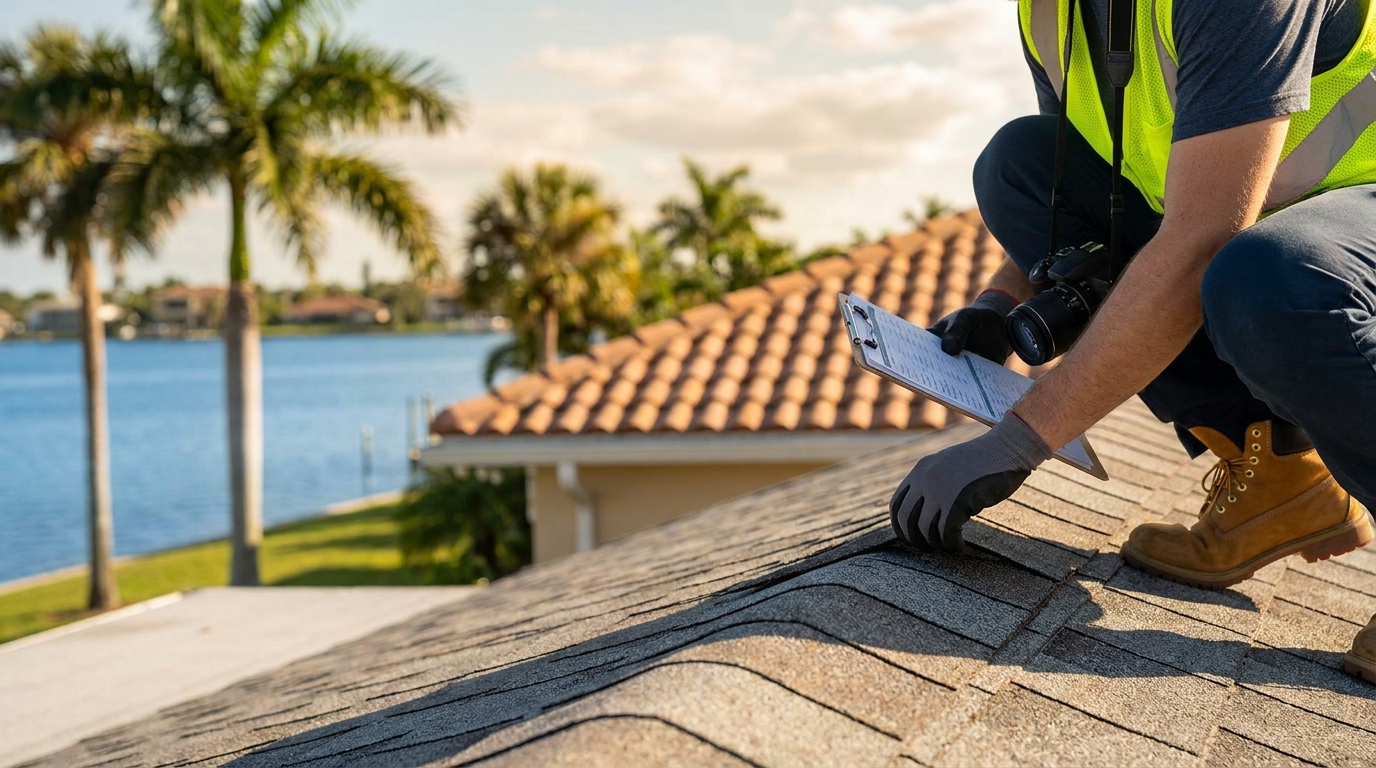
A reputable Sarasota roofer will provide a free, no-obligation inspection and give you written documentation suitable for an insurance claim. At SCM Roofing, LLC, we provide free post-storm assessments across Sarasota County, document findings with photos and a written report with prioritized repair recommendations, and help homeowners understand their options before any work is scheduled. On Google — where SCM Roofing, LLC holds a 4.9-star rating from 239 reviews as of April 2026 — customers consistently highlight straightforward communication and honest assessments.
Frequently Asked Questions
How soon after a storm should I inspect my roof?
As soon as conditions are safe — typically within 24 to 72 hours. Earlier inspections catch active leaks before interior damage compounds. Document everything before any temporary repairs.
Will my homeowners insurance cover storm damage in Sarasota?
Wind and hail damage are generally covered under standard Florida homeowners policies, though deductibles for named storms are often higher than standard deductibles. Flood damage is not covered without separate flood insurance. Review your specific policy or ask your agent.
Can I file a claim for a roof that's already showing wear?
Insurance covers sudden, accidental storm damage — not gradual wear and tear. A professional inspection report that clearly identifies storm-related damage versus age-related deterioration strengthens a legitimate claim.
How much does a professional roof inspection cost in Sarasota?
Most local roofers, SCM Roofing, LLC included, offer free post-storm inspections for homeowners. Paid third-party inspections may be worthwhile for pre-purchase or insurance dispute situations.
How often should Sarasota homeowners schedule roof inspections even without a recent storm?
Twice per year is the standard recommendation for Florida homes — once before hurricane season begins in June and once after it ends in November. Regular inspections catch developing issues before they compound and keep your roof's documented maintenance history current, which can support insurance claims if a storm does strike.
What should I expect when a roofer performs a post-storm inspection?
A thorough inspection covers four areas: a structural assessment, a roofing material condition review, a past workmanship review, and an attic and interior check. The roofer should provide photo documentation and a written report with prioritized repair recommendations — not just a verbal summary. That written report is what you'll need if you proceed with an insurance claim.
The Bottom Line
A thorough post-storm roof inspection takes 30 to 45 minutes and can save you tens of thousands of dollars in deferred damage and missed insurance windows. Walk your perimeter, scan the roof, check the attic, document what you find, and get a professional opinion on anything that looks uncertain.
Homeowners in Sarasota who want this handled professionally can reach SCM Roofing, LLC at https://scmroofingfl.com or by phone at (855) 726-7663 for a free inspection and written damage assessment.
"