If you own a home in Port Charlotte, your roof works harder than almost any other part of the house.
So what roofing material is best for Florida weather? The honest answer: it depends on your budget, your home's architecture, and how long you plan to stay. But some materials clearly outperform others in our Charlotte County climate, and the wrong choice can cost you tens of thousands when the next named storm rolls up the coast.
Here's a straightforward look at your Florida roofing options, how they handle our specific weather challenges, and what to weigh before you sign a contract.
What Makes Florida Weather So Hard on Roofs?
Before comparing materials, it helps to understand what your roof is actually fighting against in Port Charlotte.
- Hurricane-force winds. Charlotte County sits in Florida's High-Velocity Hurricane Zone-adjacent design wind region. Roofs here must be engineered for sustained winds well above what inland states require.
- UV exposure. Year-round sun bakes asphalt, fades pigments, and breaks down sealants faster than in northern climates.
- Humidity and heat.
- Wind-driven rain. Tropical storms push water sideways under poorly installed flashing and underlayment.
- Salt air. Homes near Charlotte Harbor, the Peace River, or out toward Manasota Key contend with corrosion that inland properties don't.
Florida Building Code, updated regularly and enforced through Charlotte County permitting, requires specific wind-rated assemblies, secondary water barriers, and tie-down methods. Any material you choose must meet those code requirements — and the installer matters as much as the material itself.
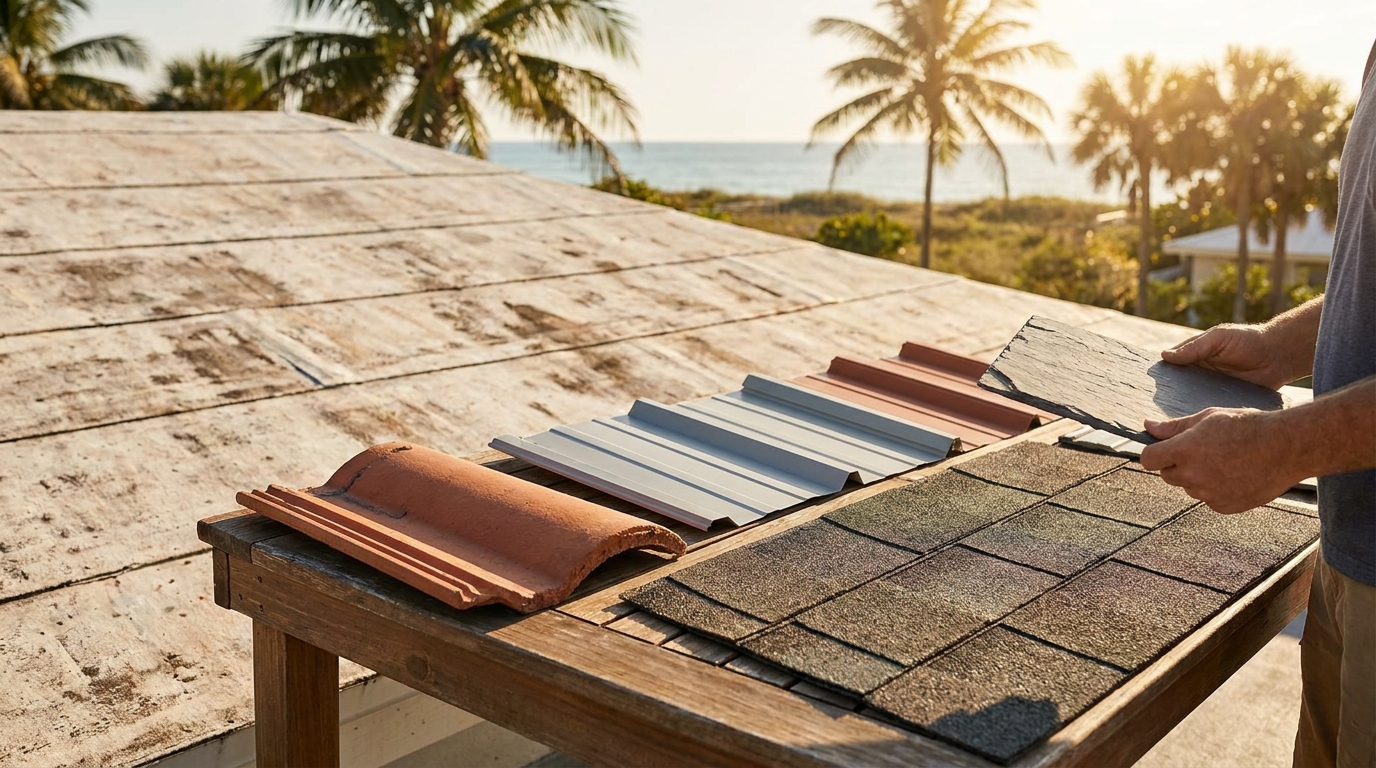
The Main Florida Roofing Options Compared
1. Architectural Asphalt Shingles
Asphalt shingles remain the most common roofing material on Port Charlotte homes, and for good reason. Modern architectural shingles, when installed with the proper nailing pattern, starter strip, and ridge cap system, can carry strong wind ratings suited to Florida's high-wind requirements.
Pros: Affordable upfront, wide color selection, fast installation, easy to repair after isolated damage.
Best for: Homeowners who want a code-compliant, budget-friendly roof and plan to insure properly. Shingles are the workhorse of Florida roofing options, and when installed by a certified contractor, they perform well.
2. Metal Roofing
Standing seam and screw-down metal roofs have surged in popularity across Southwest Florida, and they're an excellent answer for anyone prioritizing hurricane resistant roofing.
Cons: Two to three times the cost of shingles, can dent from large hail or heavy debris, requires experienced installers — poorly fastened panels are a liability in a storm.
Best for: Long-term homeowners, coastal properties, and anyone serious about heat resistant roofing in Florida. Insurance carriers often offer meaningful premium discounts for properly installed metal.
3. Concrete and Clay Tile
Tile is the signature look of Florida — and it's not just aesthetic.
Pros: 50+ year lifespan, exceptional wind ratings when properly fastened, naturally fire resistant, allows airflow underneath for cooler attics, doesn't corrode in salt air.
Cons: Heavy — your roof structure must support the load, which is why retrofits require engineering review. Tiles themselves can crack from falling debris, though individual tiles are replaceable. Higher upfront cost.
Best for: Mediterranean and Spanish-style homes throughout Deep Creek, Burnt Store, and the older established neighborhoods near El Jobean. If your home was built for tile, replacing with tile preserves value.
4. Synthetic and Composite Materials
Newer polymer composites mimic slate or wood shake while offering improved wind performance and lighter weight. They're a smaller share of the Port Charlotte market but worth considering for specific architectural styles.
Pros: Lightweight, impact-resistant, long warranties.
Cons: Premium pricing, fewer installers experienced with the product, long-term Florida performance data still emerging.
Which Florida Climate Roofing Materials Win on Each Criterion?
- Hurricane resistance: Metal and tile lead, followed by high-wind-rated architectural shingles.
- Heat reflection: Light-colored metal with reflective coatings, then tile (due to airflow underneath).
- Lifespan: Tile (50+ years) > metal (40–60) > synthetic (40–50) > shingles (15–20 in Florida).
- Upfront cost: Shingles < metal < tile < synthetic.
- Insurance benefit: Metal and tile typically yield the largest premium reductions when paired with proper wind mitigation documentation.
What Port Charlotte Homeowners Should Consider Before Choosing
Material selection is only half the decision. The other half is timing, code compliance, and contractor selection.
Time your project around hurricane season. The window from December through May is ideal for re-roofing in Port Charlotte. Crews work in cooler weather, permits move faster through Charlotte County, and your home is buttoned up before the next June 1 storm season begins.
Understand the 25% rule. Florida Building Code provisions affecting Charlotte County can require that repairs or replacements beyond a certain threshold trigger a full code upgrade for the entire roof system. That can dramatically change the scope and cost of what started as a repair.
Get your wind mitigation inspection. Documenting features like secondary water barriers, hurricane straps, and nailing patterns can save hundreds annually on your homeowners policy — but only if the work is done correctly and inspected.
Vet your contractor carefully. Florida has had a well-documented history of roofing scams. Verify state licensing through the Department of Business and Professional Regulation, confirm local permitting with Charlotte County, and look for manufacturer certifications like GAF Master Elite — a credential earned by only about 2–3% of roofing contractors nationwide, and one that gives Charlotte County homeowners access to GAF's Golden Pledge Warranty with 25-year workmanship protection. One customer specifically cited SCM Roofing's GAF Master Elite certification as a deciding factor, noting they were "reasonably priced" with "outstanding customer service" even while not being the lowest bid.
How SCM Roofing Approaches Material Selection
At SCM Roofing, LLC, we walk every Port Charlotte homeowner through the tradeoffs honestly — what each material costs, how it performs in our specific Gulf Coast conditions, and how it affects insurance. We're GAF Master Elite Certified and install shingle systems backed by enhanced manufacturer warranties, including both product and workmanship coverage. We also work across metal and tile systems, and our crews are employees rather than recently hired subcontractors — a distinction that matters when installation quality determines how your roof survives a storm.
Customers consistently highlight our communication and crew professionalism. As one recent reviewer wrote: "great communication, great customer service, and a great overall roofing product." Our 4.9-star rating from 239 Google reviews as of April 2026 reflects the standard we aim for on every project.
Frequently Asked Questions
What is the longest-lasting roof material for Florida homes?
Concrete and clay tile lead on lifespan, often exceeding 50 years when properly maintained.
Is metal roofing worth the extra cost in Port Charlotte?
For many homeowners, yes. Metal offers superior hurricane resistance, lower cooling costs, a 40+ year lifespan, and often better insurance pricing. The payback depends on how long you plan to own the home — homeowners staying 15+ years generally come out ahead.
Will my insurance company require a specific roof material?
Florida insurers don't usually mandate a specific material, but they do consider roof age, wind mitigation features, and overall condition heavily. Some carriers won't write policies on older roofs regardless of material, which is worth checking before you delay a replacement.
How long does a roof replacement take in Port Charlotte?
Most residential asphalt shingle replacements can be completed in a matter of days. Metal and tile installations typically take longer depending on complexity, home size, and weather. Permit timing through Charlotte County can add additional time on the front end.
Should I get a roof inspection before choosing a new roofing material?
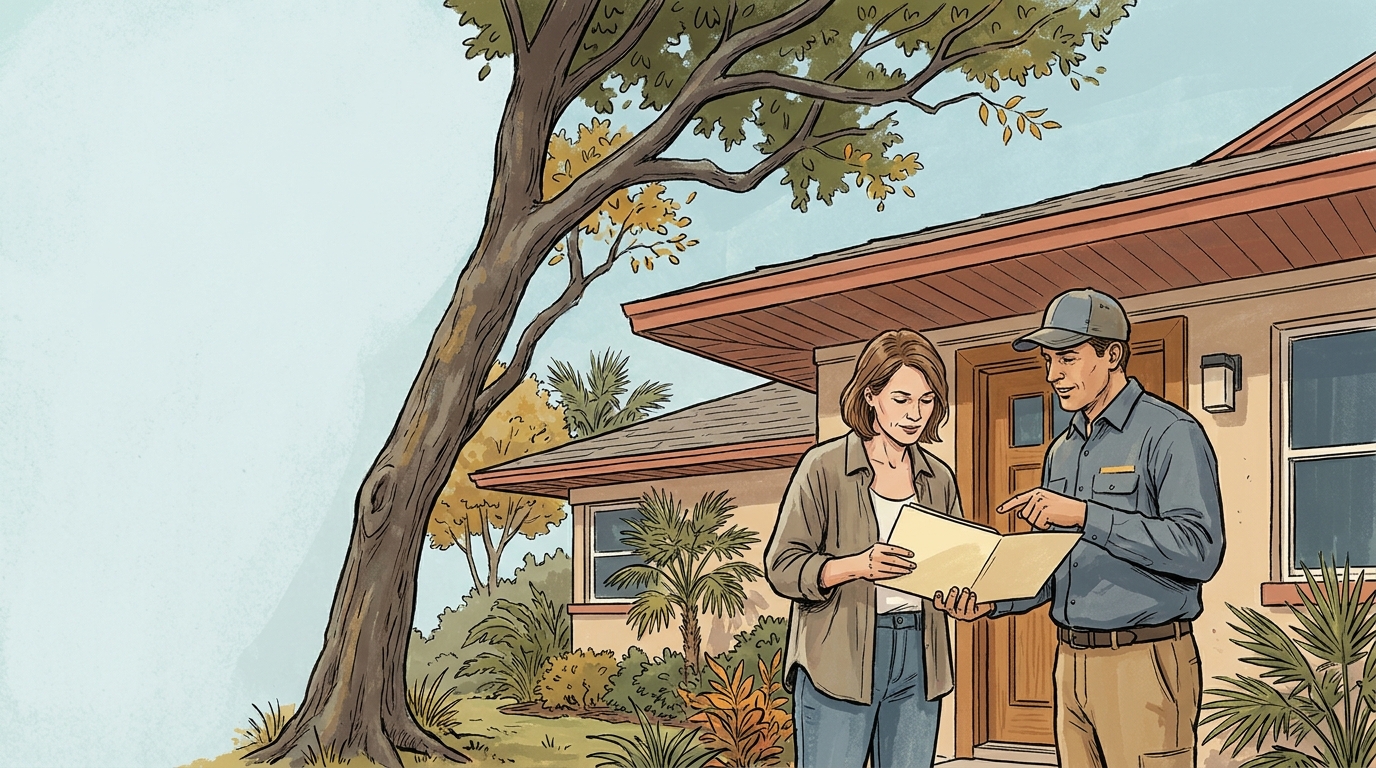
Yes — a professional inspection before selecting a material is the smartest first step. It reveals deck condition, existing underlayment, structural capacity for heavier materials like tile, and any code deficiencies that must be addressed. SCM Roofing, LLC offers free roof inspections that include a structural assessment, material condition review, and a written report with prioritized recommendations. Contact SCM Roofing, LLC at https://scmroofingfl.com to schedule.
Does it matter how a contractor nails shingles in Florida's high-wind zones?
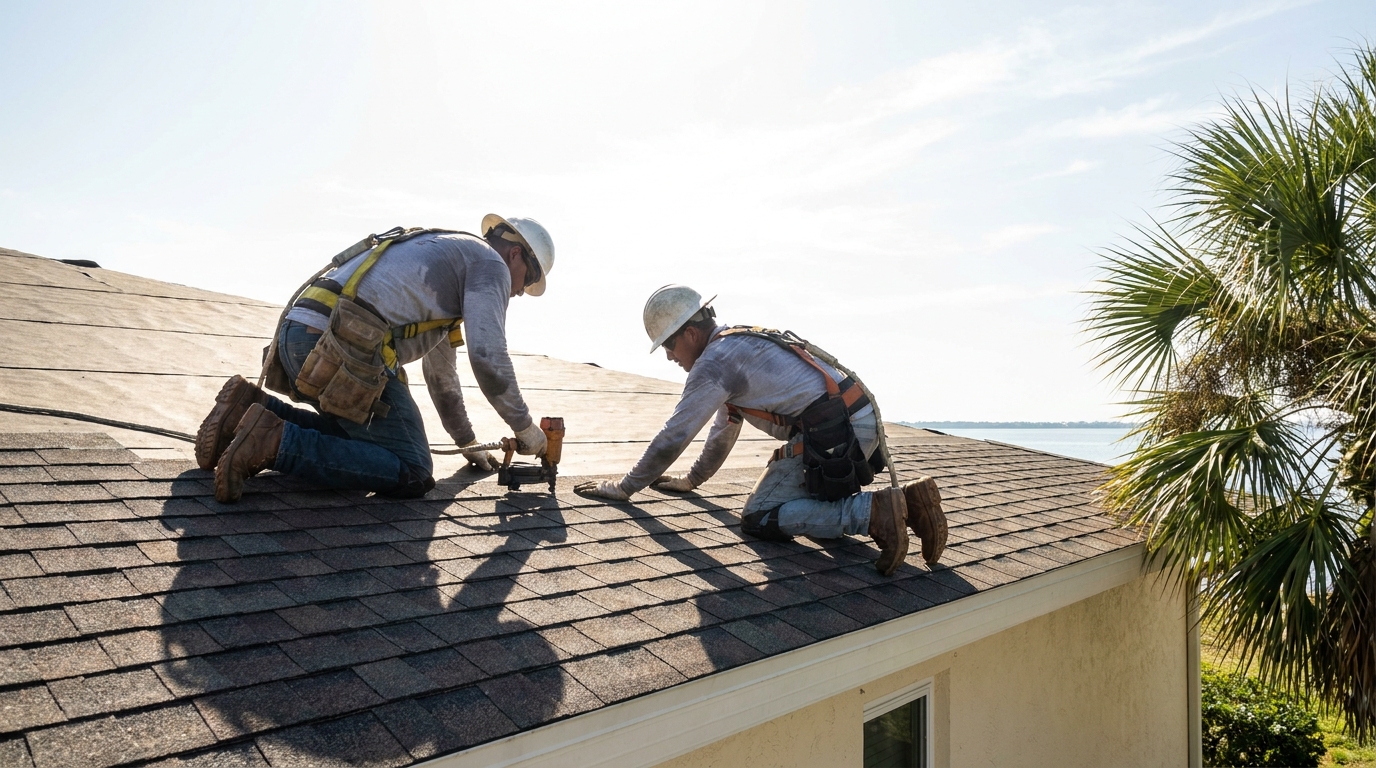
Absolutely. Florida's high-wind zones require six nails per shingle rather than the standard four used in most of the country. Fewer nails mean greater uplift risk in a hurricane. Always confirm your contractor follows Florida's nailing requirements — it's a code requirement and a critical factor in whether your shingles survive a named storm.
Choosing the Right Roof for Your Home
There's no single "best" roofing material for every Florida home — but there is a best material for your specific home, budget, and timeline. Architectural shingles remain the practical choice for many Port Charlotte homeowners. Metal is increasingly the smart long-term play. Tile preserves architectural integrity on Mediterranean-style homes and lasts generations.
What matters most is honest guidance and code-compliant installation by a licensed Florida contractor who understands the specific demands of our Gulf Coast climate. Homeowners in Port Charlotte who want this handled professionally can reach SCM Roofing, LLC at https://scmroofingfl.com for a free estimate and a straightforward conversation about which material fits your home.
"