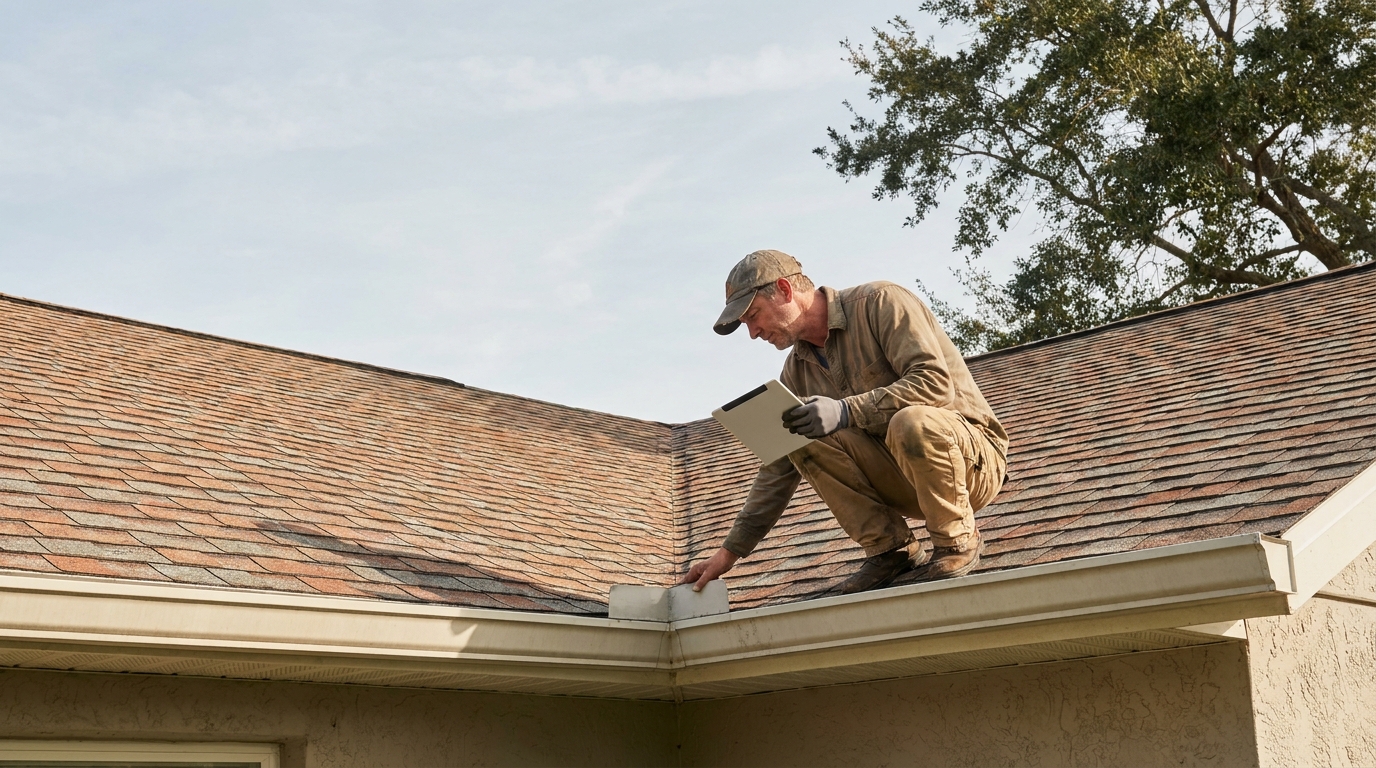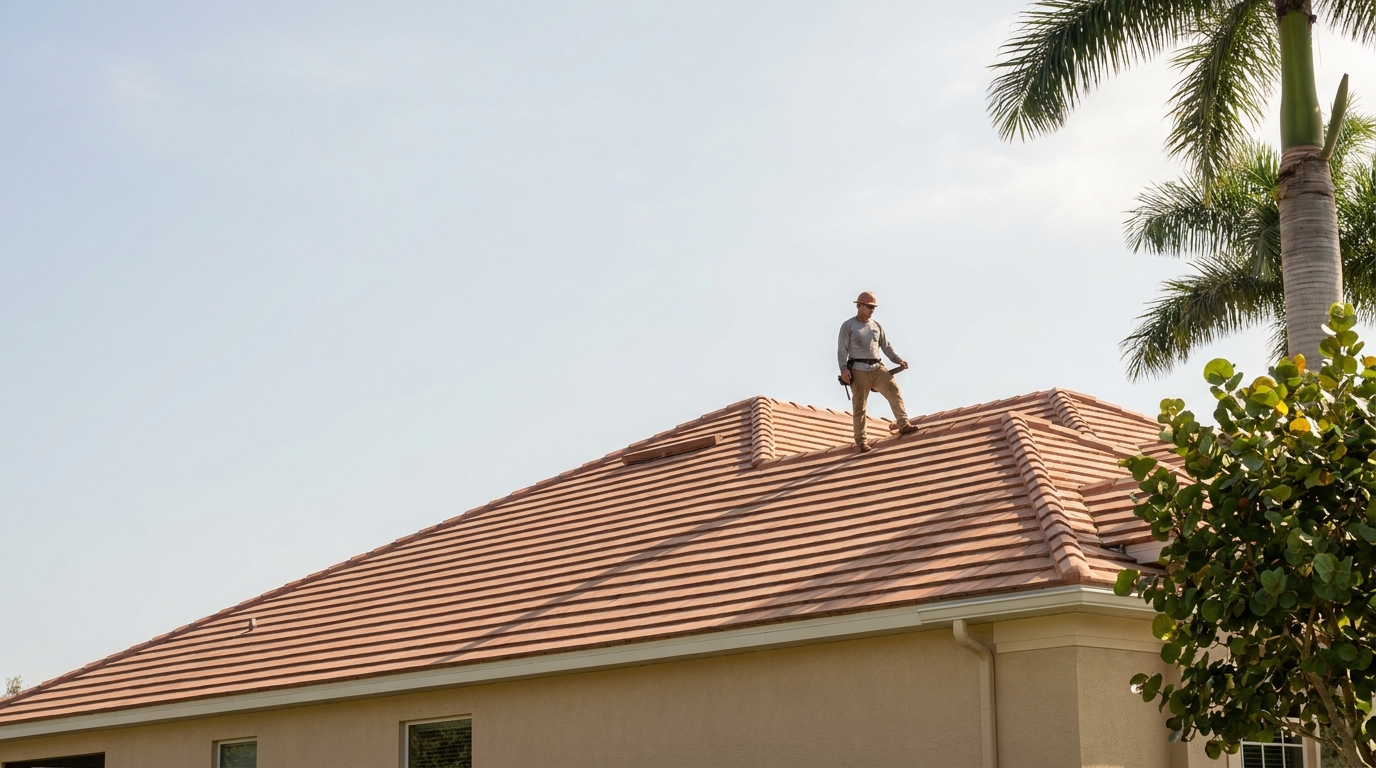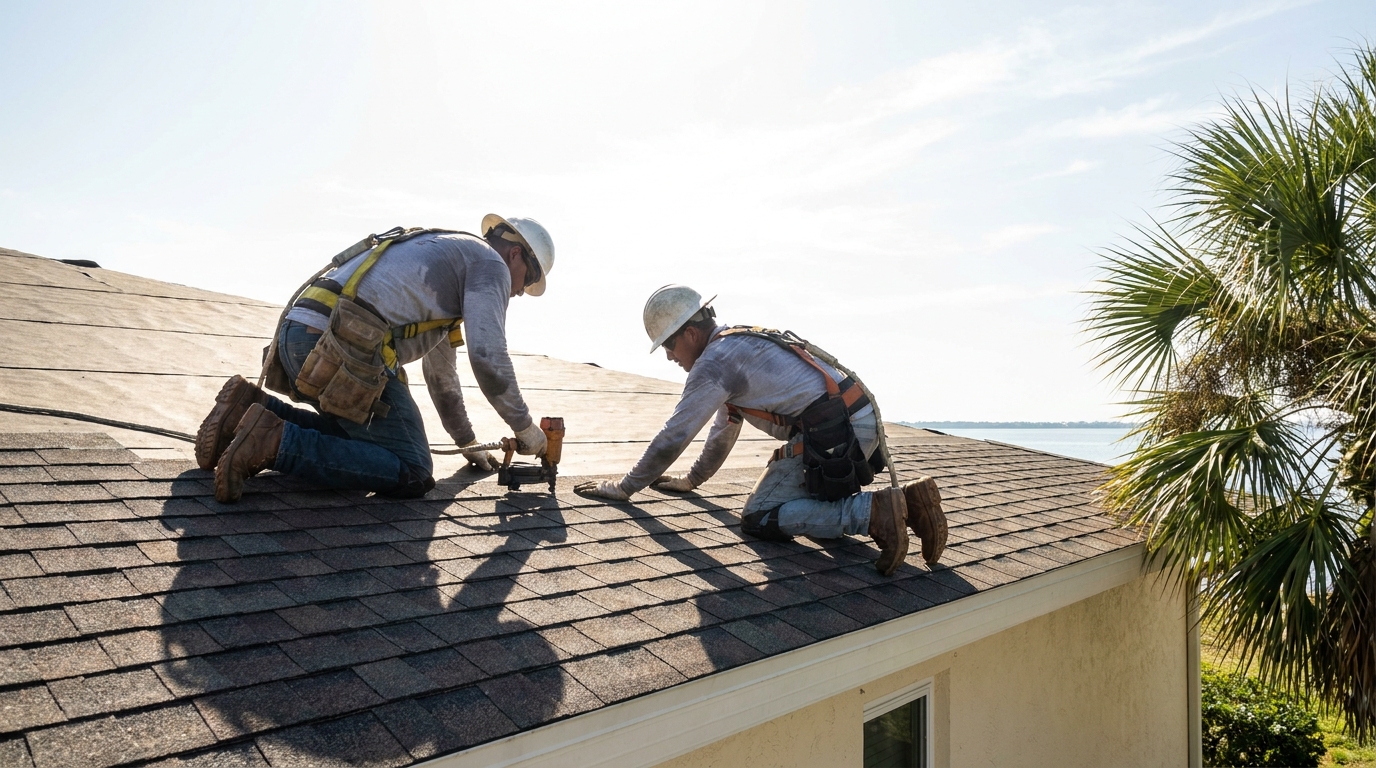
If your attic feels like a furnace by mid-morning or your upstairs AC runs nonstop from May through September, your roof ventilation is probably the culprit. In Tampa, where summer humidity, sustained heat, and hurricane-season wind loads punish a roof from every angle, the choice between ridge vents and turbine vents is more than cosmetic — it affects your cooling bill, your shingle lifespan, and how your home handles wind-driven rain. Both systems exhaust hot, moist air from the attic. They just go about it very differently.
Here's an honest breakdown of how the two compare, where each one shines, and what Tampa homeowners should weigh before committing to either.
How Each System Actually Works
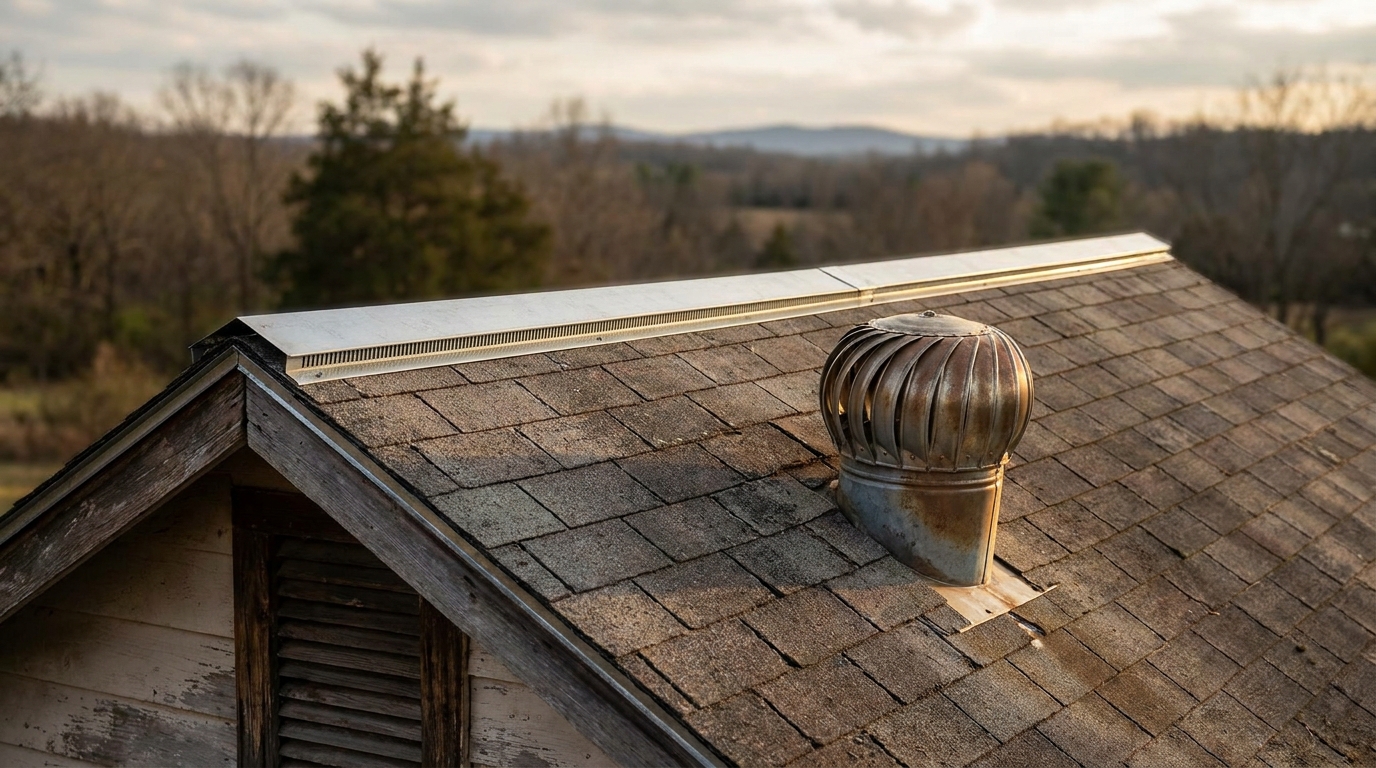
Ridge vents run continuously along the peak of the roof and rely on passive convection — hot air rises, escapes through the ridge, and pulls cooler air in through soffit intake vents. There are no moving parts. Profile height stays low, so the vent disappears beneath the ridge cap shingles.
Turbine vents — sometimes called whirlybirds — sit on the roof slope as a visible dome with rotating vanes. They're active exhaust: wind spins the vanes, and that rotation pulls air out of the attic. They need a minimum wind speed to spin effectively. Below that threshold, they essentially become static vents.
One operates quietly and constantly. The other works hard when the wind blows and stalls when it doesn't. Both must be paired with adequate intake (typically soffit vents), and per IRC R806, you're sizing the system to a 1/150 or 1/300 net free ventilation area ratio depending on conditions. Tampa falls under the Florida Building Code, which is based on the IRC framework — your contractor should confirm the local interpretation before pulling a permit.
Airflow Performance in Tampa's Climate
On paper, turbines win on raw airflow numbers when wind is available. According to manufacturer specifications, a common ridge vent rating runs about 18 square inches of net free area (NFA) per linear foot, while individual turbine vents are typically rated at 150 to 300 or more square inches of NFA each, depending on model and wind conditions. That means a handful of turbines can theoretically cover a lot of attic square footage — but only when the wind cooperates.
Tampa's wind profile matters here. Inland neighborhoods like New Tampa or Carrollwood often see calmer summer afternoons, where turbines stall while heat keeps building. Coastal areas closer to South Tampa, Davis Islands, or the Westshore corridor get more consistent Gulf breezes that keep turbines spinning. Ridge vents, by contrast, deliver steady passive flow regardless of whether the wind is cooperating — which is the more reliable scenario for the long, humid stretches between sea-breeze cycles.
Energy Savings and ROI
Ridge vents are generally estimated to deliver meaningful cooling cost savings, with payback periods that favor the long game given their extended service life of 20 or more years — roughly the life of the roof itself. Turbine vents can recoup costs faster on a per-unit basis because individual units typically run around $65 to $250 each, according to industry reporting. However, a home may need multiple turbine units to achieve sufficient attic ventilation, which narrows that upfront cost advantage.
Installed ridge vent costs are reported around $7 to $15 per linear foot, or roughly $350 to $600 for a full ridge in some industry guides, with broader project estimates ranging higher depending on roof size and materials. For a Tampa homeowner running AC roughly nine months a year, even a few percentage points of cooling savings compound quickly. The faster turbine payback is real, but ridge vents typically win the long game.
Durability, Wind, and Hurricane Season
This is where Tampa's geography pushes the conversation. Properly secured ridge vents handle wind and weather well in Gulf Coast conditions. Turbine vents, by contrast, have moving parts — sealed or oil-impregnated bearings — and their typical lifespan is quoted at around 10 to 15 years, with some sources citing up to 15 to 20 years. Ridge vents are generally described as lasting 20 or more years, closer to the life of the roof.
Ridge vents also handle wind-driven rain better in Gulf Coast testing and resist pest intrusion more reliably. Turbine vents may need pest screens, which can reduce efficiency. After a major storm, turbines are also more visible candidates for inspection: bent vanes, seized bearings, or damaged bracing all need attention.
If you're in a flood zone or coastal evacuation area and replacing a roof ahead of the June–November hurricane season, the durability and wind-resistance advantages of ridge vents often tip the decision clearly.
Aesthetics and Roof Compatibility
Ridge vents are essentially invisible. They're shingled over and follow the ridge line, which matters in HOA-governed neighborhoods around Hyde Park, Westchase, or FishHawk where curb appeal rules are strict. They're also ideal for simple, long, continuous ridge lines. Common widths noted by suppliers include 8.5", 9", 11", 11.25", and 12".
Turbine vents are visibly mounted domes — some homeowners find them charming, others find them dated. They come in throat diameters ranging from 9" up to 48" depending on the supplier and application. Their advantage is flexibility: they can be placed almost anywhere on a slope, which makes them practical for cut-up rooflines, dormers, additions, or short ridges where a continuous ridge vent doesn't have enough run to do its job.
Installation and Retrofit Considerations
Turbine vents are the easier retrofit. You cut a hole, flash it, mount the unit. That's it.
Ridge vents require removing the existing ridge cap, cutting a slot along the ridge, installing the vent, and re-shingling the cap. It's more labor and more material — which is why upfront cost is higher. On a re-roof, however, the incremental cost of adding a ridge vent is much smaller than retrofitting one onto an existing roof.
One rule applies to both: never mix exhaust vent types on the same roof. Combining ridge vents with turbines, or either with box vents, causes short-circuiting where one vent pulls air from another instead of from the soffits. The system stops working as designed.
Which One Is Right for Your Tampa Home?
Ridge vents are the stronger default for most Tampa homes: better durability, better aesthetics, better long-term cooling savings, and better performance in wind-driven rain. They make particular sense if you're already planning a re-roof and have a continuous ridge line to work with.
Turbine vents earn their place on roofs with complex geometry, short ridges, or as a budget-friendly retrofit when a full ridge vent install isn't practical — and on inland properties that get reliable breeze.
Frequently Asked Questions
Can I add a ridge vent to my existing Tampa roof without replacing the whole roof?
Yes, but it's more invasive than a turbine retrofit. The ridge cap has to come off, a slot is cut along the ridge, the vent is installed, and the cap is re-shingled. Most homeowners time it with a re-roof for that reason.
Do I need a permit for vent work in Tampa?
Roofing work in the City of Tampa and Hillsborough County generally requires permitting through the local building department, and Florida licensing rules apply to the contractor performing the work. Confirm scope and permit requirements with your roofer before any work begins.
How many turbine vents would I need to match a ridge vent?
The answer depends on your attic square footage and the net free ventilation area required under IRC R806's 1/150 or 1/300 ratio. Because ridge vents provide roughly 18 square inches of NFA per linear foot and individual turbines can cover 150 to 300 or more square inches each, a qualified roofer should calculate the specific count for your roof rather than relying on a generic rule of thumb.
Will a turbine vent leak during a Florida thunderstorm?
Quality turbines are designed to shed rain, but heavy wind-driven rain can drive moisture in if the unit is damaged, poorly flashed, or missing screens. Ridge vents generally handle wind-driven rain better in Gulf Coast conditions.
How long do ridge vents and turbine vents typically last in Florida's climate?
Ridge vents are generally described as lasting 20 or more years — roughly the life of the roof — because they have no moving parts to wear out. Turbine vents are typically quoted at 10 to 15 years, with some sources citing up to 15 to 20 years, because bearings and rotating components degrade over time. Florida's heat and humidity can accelerate wear on turbine bearings in particular.
Can I mix ridge vents and turbine vents on the same Tampa roof?
No. Mixing exhaust vent types on the same roof causes short-circuiting — one vent pulls air from the other instead of drawing from the soffit intake. This defeats the ventilation design entirely. Choose one exhaust type and size it correctly for your attic, then ensure the intake side is balanced to match.
Getting It Right for Your Roof
The best ventilation system is the one that's correctly sized, properly paired with intake, and installed to local code. That's true whether you choose ridge vents, turbines, or — on a re-roof — start fresh with a balanced design from the rafters up. Tampa's climate doesn't forgive shortcuts: undersized intake, mismatched exhaust, or a wind rating that doesn't match your zone will show up eventually as moisture damage, premature shingle failure, or storm loss.
SCM Roofing, LLC holds a 4.9-star rating from 239 Google reviews, with customers consistently citing professional installation, honest communication, and competitive pricing. One customer wrote: "great communication, great customer service, and a great overall roofing product." Another noted that the crew "worked meticulously together from the start to the finish" and that cleanup was thorough. Homeowners in Tampa who want their ventilation evaluated and handled professionally can reach SCM Roofing, LLC at https://scmroofingfl.com for a free estimate. The team can assess your existing ventilation, calculate the NFVA your attic actually needs, and recommend the configuration that fits your roof geometry and your budget — without pushing one product over the other when both could work.