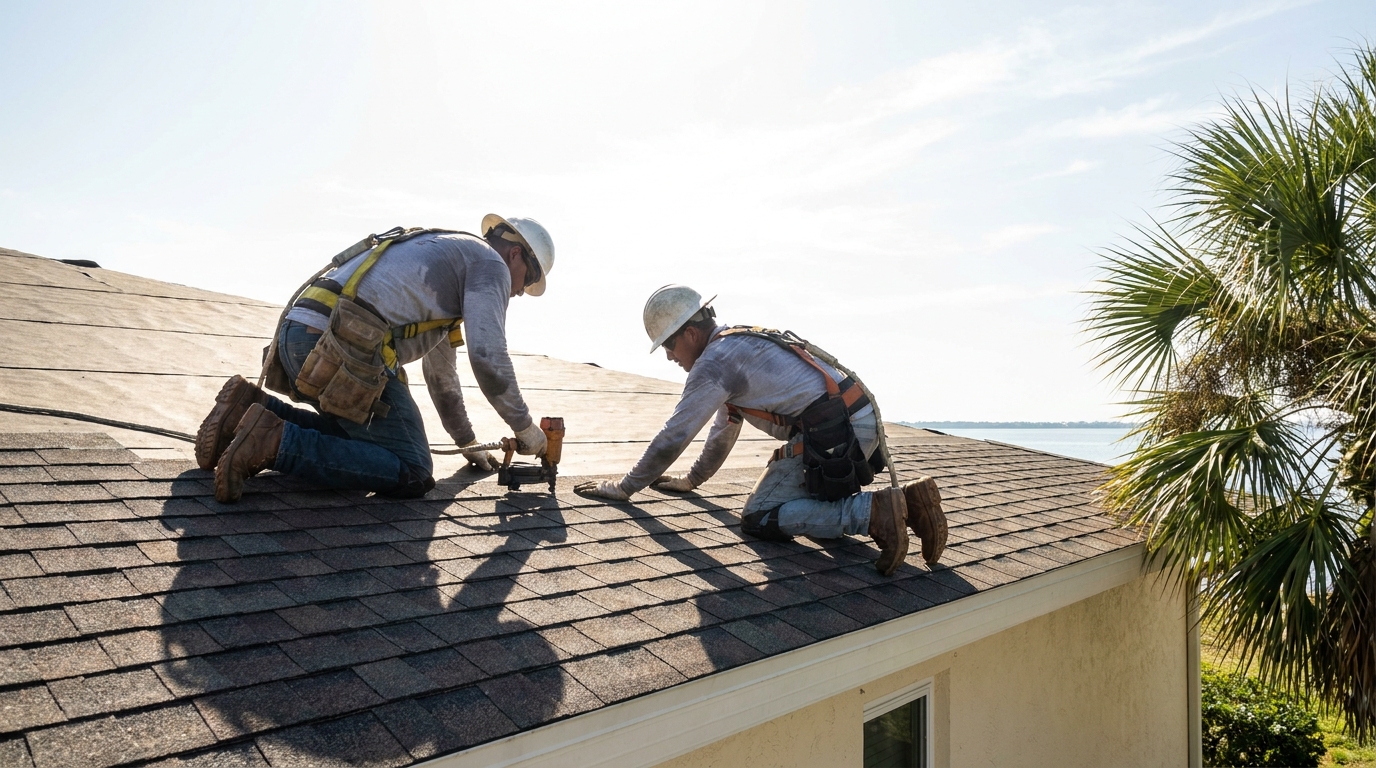
Multi-unit roof replacement in Tampa is a phased, occupied-building construction project — not a single-day tear-off. The work is sequenced across sections of the roof so residents keep living in the building, each phase is dried in daily during the Atlantic hurricane season (June 1 through November 30), and the assembly is engineered to meet Florida Building Code wind-uplift requirements for Hillsborough County. Everything else — cost, timeline, disruption — flows from those three constraints.
If you manage an apartment complex off Dale Mabry, a Westshore-area condo, or a garden-style community in New Tampa, the mechanics below are what actually drives the schedule and the invoice.
How is multi-unit roof replacement different from a single-building job?
A multi-unit replacement is really a series of smaller roofs executed in sequence while people live, work, and park below. Nations Roof's lifecycle planning guidance notes that in occupied commercial buildings, roofing work must coexist with daily operations, tenant expectations, and public safety requirements — which means phasing plans, controlled access zones, and ground-level protection are part of the scope from day one, not add-ons.
On a single-building job you mobilize once, tear off, dry in, and finish. On a 12-building apartment complex you mobilize twelve times — or you stage the dumpster, crane, and crew to roll through buildings on a published calendar residents can plan around. SCM Roofing, LLC approaches multi-unit work this way because the alternative — treating twelve buildings like one giant roof — is what produces the complaint calls, the soaked carpets, and the overrun budgets.
What are the actual stages of a Tampa multi-unit reroof?
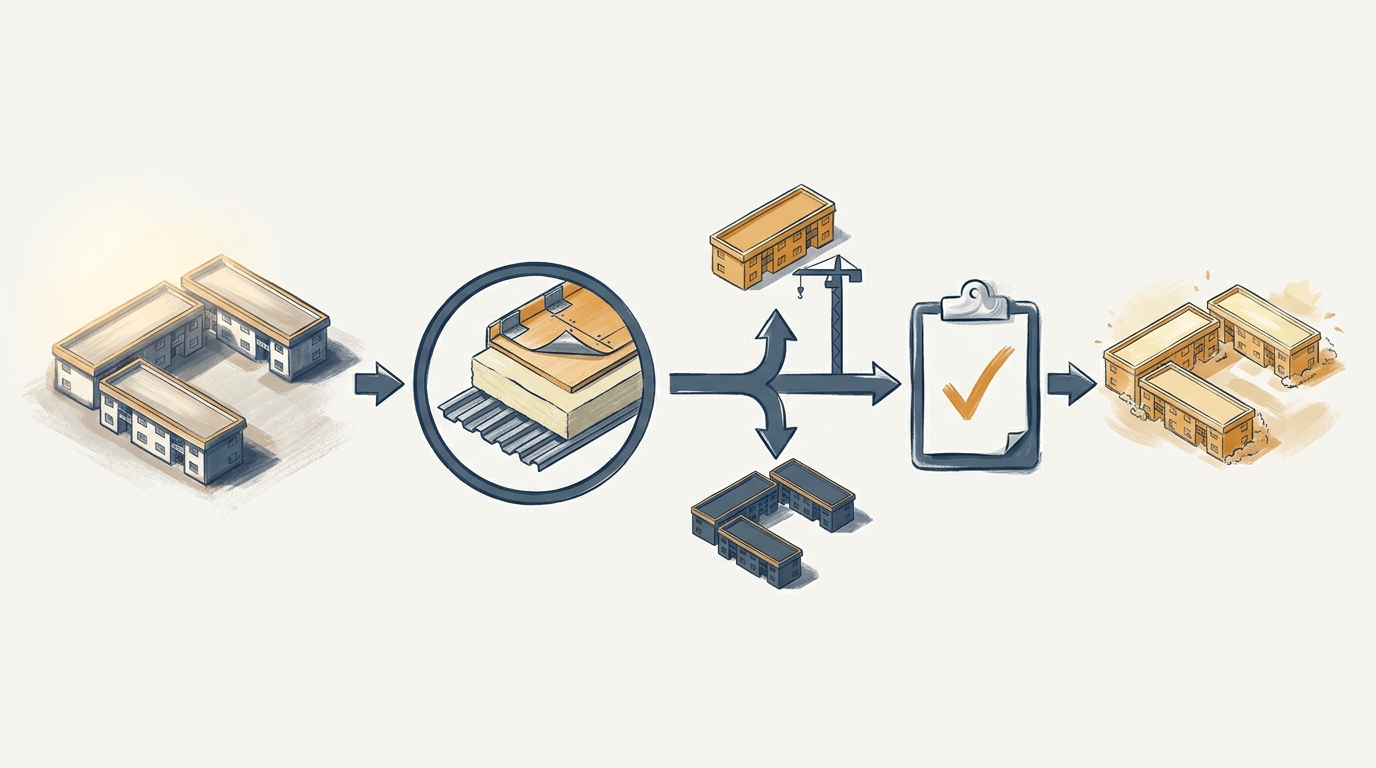
A typical phased reroof moves through six stages: pre-construction survey and moisture scan, permit submittal to the City of Tampa Building Department (or the applicable Hillsborough County authority), tenant notification and staging setup, building-by-building tear-off down to the deck, insulation and membrane installation with daily dry-in, and final inspection with warranty registration.
The pre-construction survey matters more than owners expect. Concealed conditions — wet insulation, damaged decking, multiple existing layers — can materially increase cost beyond initial per-square-foot estimates. Florida Building Code provisions also address when overlays are permissible and when a full tear-off is required; water-soaked insulation or two existing roof coverings generally make an overlay non-compliant. SCM Roofing removes all old material down to the deck before installing a new roof, which eliminates the overlay question entirely and lets the crew verify deck condition on every building.
What does commercial roof replacement cost on a Tampa multi-unit property in 2026?
Regional benchmarks are the honest starting point. Regional benchmarking from nearby St. Petersburg and statewide Florida sources indicates low-slope membrane replacement (TPO, EPDM, or modified bitumen) runs roughly $5–$15 per square foot installed. Metal roofing in the Tampa Bay area, per the same regional benchmarks, runs about $14–$25+ per square foot. Tear-off and decking replacement typically adds roughly $1–$3 per square foot on top.
For a 20,000-square-foot low-slope roof, that benchmark range implies a project in the $100,000–$300,000 band before any phasing premium, deck repair, or wind-design upgrade. Multi-unit properties with multiple buildings multiply from there. These are regional benchmarks, not Tampa-specific bids — a real number for your property depends on scope, insulation thickness, deck condition, wind design, drainage, and site access.
What drives the price up or down?
| Cost driver | Why it matters |
|---|---|
| Membrane system (TPO, PVC, EPDM, mod-bit) | Material cost, seam method, and warranty tier vary by system |
| Insulation R-value | Code-required thickness drives both material and labor |
| Tear-off vs. overlay | Full tear-off adds labor and disposal but exposes deck condition |
| Deck repair | Rotten or wet decking is a change-order after tear-off |
| Wind-uplift design | Fastening pattern and edge metal are engineered per FBC |
| Phasing and tenant protection | More mobilizations, longer schedule, more site logistics |
Which membrane systems actually make sense on Tampa low-slope roofs?
For most Tampa multifamily low-slope roofs, TPO and PVC dominate the conversation, with modified bitumen and EPDM holding specific niches.
SCM Roofing, LLC installs commercial systems in TPO, EPDM, PVC, mod-bit, BUR, and standing seam metal — the full range Tampa multi-unit owners typically evaluate. A reflective single-ply like TPO or PVC generally wins on energy and seam reliability for garden-style apartments; mod-bit still earns its place on roofs with heavy foot traffic or complex penetrations.
How does Tampa's climate and hurricane season shape the schedule?
The Atlantic hurricane season runs June 1 through November 30, which overlaps most of Tampa's practical reroofing calendar. Projects underway during that window require daily dry-in plans — every square foot opened in the morning has to be watertight by the end of the shift, with materials and exposed areas secured against a named storm forming on short notice.
Per solameer.com, Florida's commercial buildings face some of the most demanding environmental conditions in the United States: hurricanes, tropical storms, extreme wind uplift, and heavy rainfall. That is why wind-uplift resistance under the Florida Building Code — fastening patterns, edge metal, and assembly ratings — is non-negotiable, and why the attachment design is site-specific rather than a generic "wind upgrade" line item.
How do permits and licensing work for a Tampa multi-unit reroof?
Roof replacement in Tampa requires permits and inspections through the City of Tampa Building Department; properties in unincorporated Hillsborough County or neighboring municipalities (parts of Pinellas and Pasco) fall under different permitting authorities, which affects submittal timing and inspection sequencing. Florida law also requires the contractor to hold a state-certified or state-registered roofing contractor license from the Florida Department of Business and Professional Regulation (DBPR) — verify the license number before you sign.
SCM Roofing, LLC's owner, Scott Marone, graduated from the University of Florida's Construction Management program and holds both a Florida State General Contractor's license and a Roofing Contractor's license (CCC1331132). The company carries GAF Master Elite Certified status, a distinction held by only about 2–3% of roofing contractors nationwide, and brings 25+ years of industry experience to the permit, assembly, and warranty paperwork a multi-unit job generates.
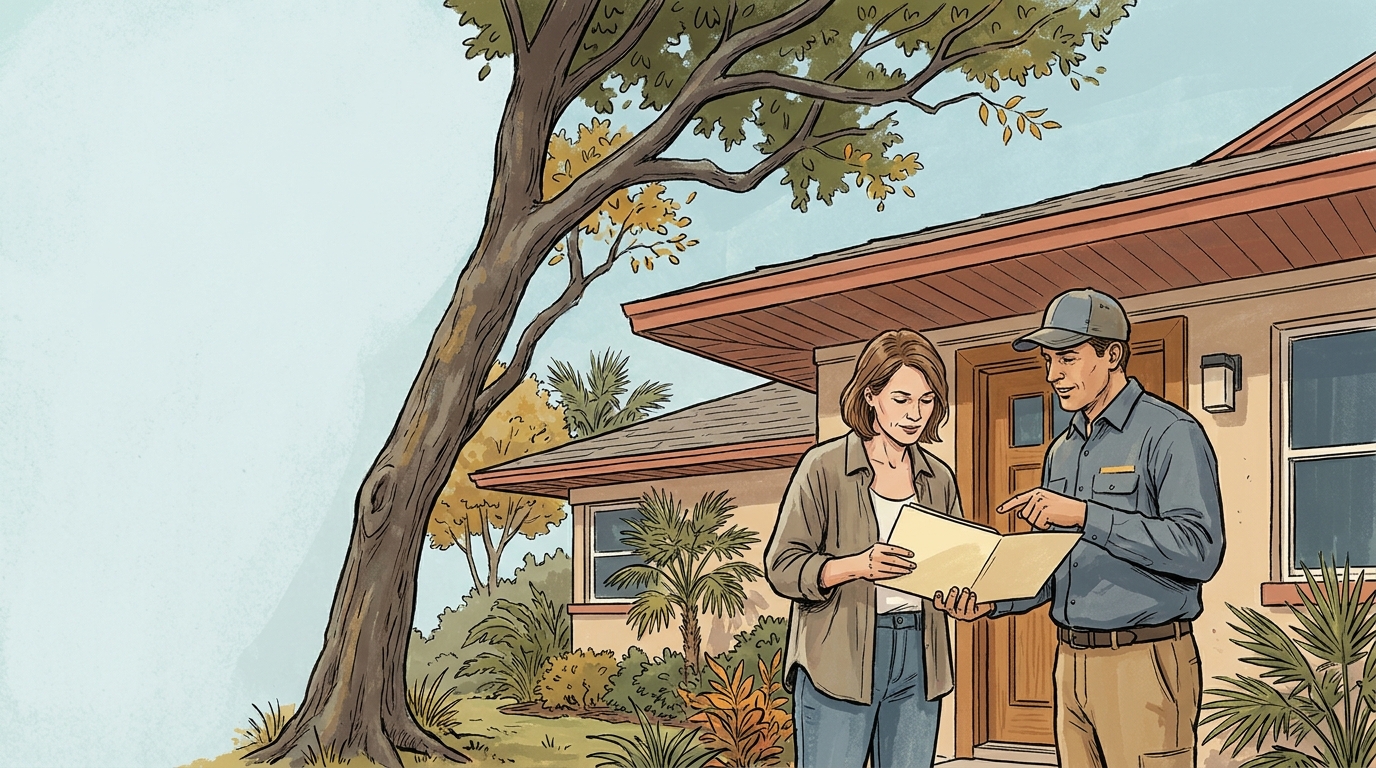
How do you coordinate tenants, parking, and daily life during the work?
Condominium associations have an additional layer: governing documents, board approval, insurance certificates, and sometimes unit-owner notice requirements have to be satisfied before a contract is executed. Build that review time into the project calendar — it is routinely the difference between a June start and an August one.
I’ve had the opportunity to work with Robbie with SCM Roofing llc on several projects, and what really stands out to me is not only the quality of their workmanship, but their communication and professionalism.They are responsive, honest, and keep you informed throughout the entire process. They answer questions, follow through on what they say they’re going to do, and make it easy to know where things stand. That kind of communication makes a huge difference, especially when you’re managing a project and need a roofing contractor you can depend on.Their work speaks for itself, but it’s the combination of quality, reliability, and clear communication that truly sets Certified Roofers apart. I’m always comfortable having them involved in my projects and would absolutely recommend them to anyone looking for a roofing company they can trust.April McManusRebuilding Together Greater Florida
Frequently asked questions
How long does a multi-unit roof replacement take in Tampa?
Timelines depend on building count, square footage, and weather, but phased multi-building projects commonly run several weeks to a few months. Each individual building roof is typically a matter of days once tear-off begins, with the overall schedule driven by mobilizations between buildings, inspection windows, and rain or storm days during hurricane season.
Can we overlay the existing roof instead of tearing it off?
Sometimes, but not always. Florida Building Code provisions limit overlays when existing insulation is water-soaked or when two or more roof coverings are already in place. SCM Roofing, LLC does not install over existing layers — removing material down to the deck lets the crew verify deck condition, apply a code-compliant assembly, and register a full manufacturer warranty.
Do we need to relocate tenants during the work?
In almost all cases, no. Multi-unit roof replacement is designed as an occupied-building process: phased construction, controlled access zones, daily dry-in, and ground-level protection let residents stay in their units. Expect noise during working hours, periodic parking adjustments around the active building, and clear advance notice for each phase.
Which commercial roof system lasts longest in Tampa's climate?
Standing seam metal typically offers the longest service life in Florida's UV and wind environment, which is reflected in its higher regional cost range of about $14–$25+ per square foot according to Tampa Bay area market benchmarks. TPO and PVC are the most common low-slope choices and perform well when the assembly, insulation, and fastening are designed to the applicable Florida Building Code wind requirements.
What permits are required for a commercial reroof in Tampa?
A roofing permit from the City of Tampa Building Department is required for properties inside the city; unincorporated Hillsborough County and neighboring municipalities issue their own permits. The contractor must hold an active Florida DBPR roofing contractor license. Inspections are scheduled at defined points in the assembly, and the final inspection closes the permit and supports warranty registration.
How do we evaluate bids fairly between contractors?
Compare only identical scopes. Tear-off versus overlay, insulation type and R-value, deck repair allowances, wind-uplift design, edge metal, drainage improvements, warranty terms, and debris disposal are all cost drivers that vary between bids. A low number usually means a thinner scope, not a better deal — align the scopes line by line before you compare dollars.
Working with SCM Roofing on your Tampa multi-unit project
Multi-unit roof replacement rewards contractors who treat phasing, permitting, and tenant coordination as core engineering, not afterthoughts. Readers in Tampa who want this handled professionally can reach SCM Roofing, LLC at (855) 726-7663 or https://scmroofingfl.com to arrange a property walk and scope discussion.