If you own a home in Sarasota, you already know the calendar that matters. Hurricane season runs June 1 through November 30, and the months leading up to it are when smart homeowners get serious about the roof over their heads. The Gulf Coast doesn't give you much warning when a system spins up off the Yucatán — by the time a cone shows Sarasota in the path, the qualified roofers are booked and the supply houses are picked clean.
This guide walks through how to prevent roof damage during hurricane season in Sarasota: what to inspect, what to fix, what the local code requires, and when to bring in a professional. It's written for the kind of homeowner who'd rather spend a Saturday morning on prevention than a Tuesday afternoon arguing with an insurance adjuster.
Why Sarasota Roofs Take a Beating
Sarasota sits in one of the more exposed stretches of Florida's west coast. We get the salt air off the Gulf, the daily summer convection storms, and the periodic direct hit from a named system tracking up through the Keys or across from the Atlantic side.
That combination is hard on a roof. UV exposure bakes asphalt shingles. Salt accelerates corrosion on flashing, fasteners, and metal panels. Wind-driven rain finds every soft spot in a sealant joint. And when a hurricane finally arrives, the roof is the part of your home asked to hold the line.
Homes in neighborhoods like Siesta Key, Lido Key, and the barrier island areas of Longboat see the worst of the coastal exposure. Inland communities — Palmer Ranch, Lakewood Ranch, Gulf Gate — get hammered by wind and debris but escape the storm surge piece. Both situations demand a roof in good shape before the season starts.
Start With a Pre-Season Roof Inspection
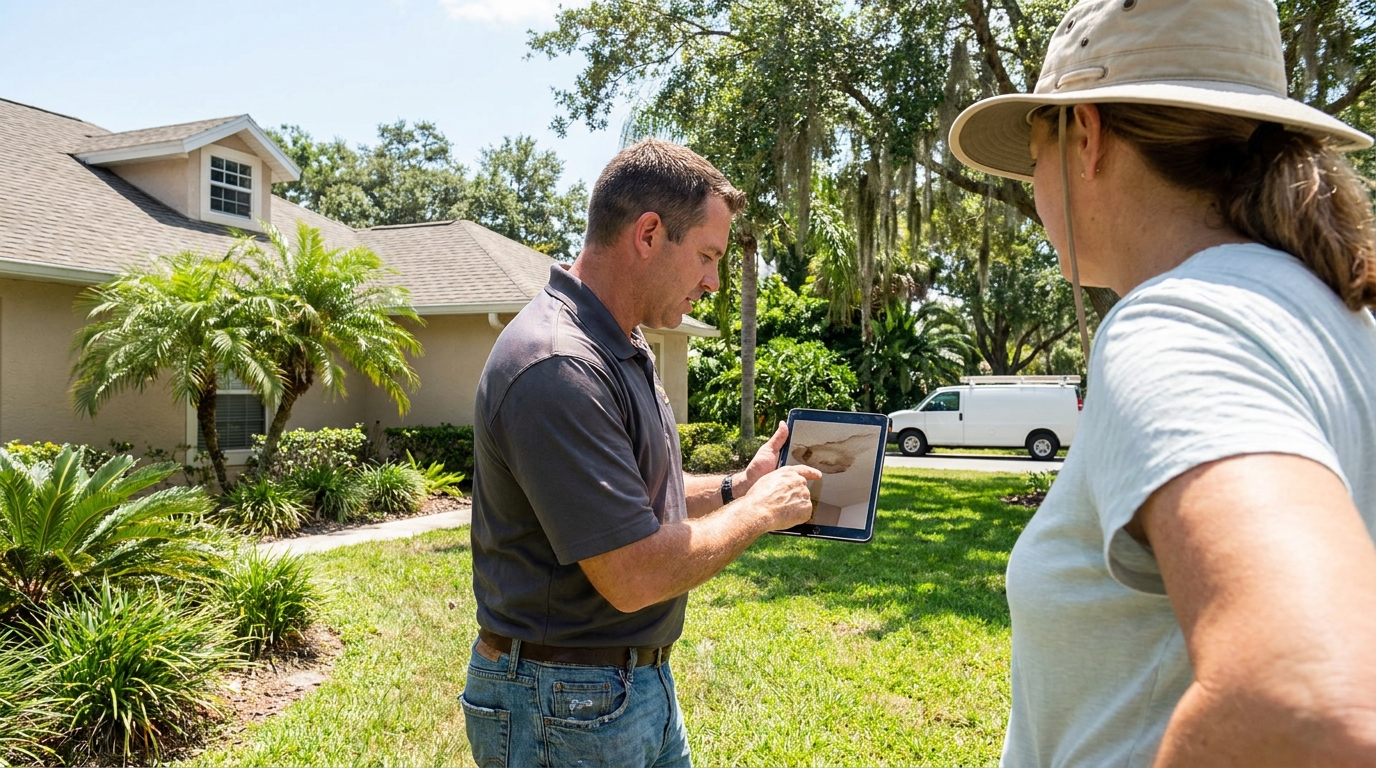
The single most useful thing you can do is get eyes on your roof before June. A pre-season inspection — yours or a professional's — catches the small problems that turn into catastrophic failures when 110 mph gusts roll through.
From the ground with binoculars, look for:
- Lifted, curled, or missing shingles, especially along ridges and hips
- Exposed nail heads or popped fasteners
- Cracked or separated flashing around chimneys, skylights, and vent stacks
- Sagging sections or visible dips in the roof plane
- Granule buildup in gutters, which signals shingle wear
- Soft spots on the fascia and any staining on soffits
Inside the attic, look for daylight where it shouldn't be, water staining on the sheathing, and damp insulation. A flashlight inspection after a heavy rain tells you a lot about where your roof is actually leaking — even when nothing is visible from outside.
What the Florida Building Code Requires
Florida operates under one of the strictest residential building codes in the country, and Sarasota County enforces it through the County's Building Department. That matters for two reasons.
First, any reroof in Sarasota County requires a permit and inspections. Unpermitted work is a liability when you sell the home and a problem when you file a claim. Second, code-mandated upgrades — secondary water barriers, hurricane straps, ring-shank nailing patterns, and updated underlayment requirements — apply when you reroof. These aren't optional add-ons; they're how Florida has been hardening its housing stock since Andrew.
If your roof is original to a home built before the early 2000s, it likely doesn't meet current wind-uplift standards. That's worth knowing before a storm, not after.
Key Steps to Hurricane-Proof Your Roof
A roof can't be made hurricane-proof in any absolute sense — Category 4 and 5 winds will damage even well-built systems. But you can dramatically reduce the odds of catastrophic failure with a handful of targeted steps.
1. Reseal and Replace Flashing
Flashing around penetrations is where most leaks start. Old caulk shrinks, cracks, and separates. Replacing aged sealant and corroded flashing before the rainy season is cheap insurance.
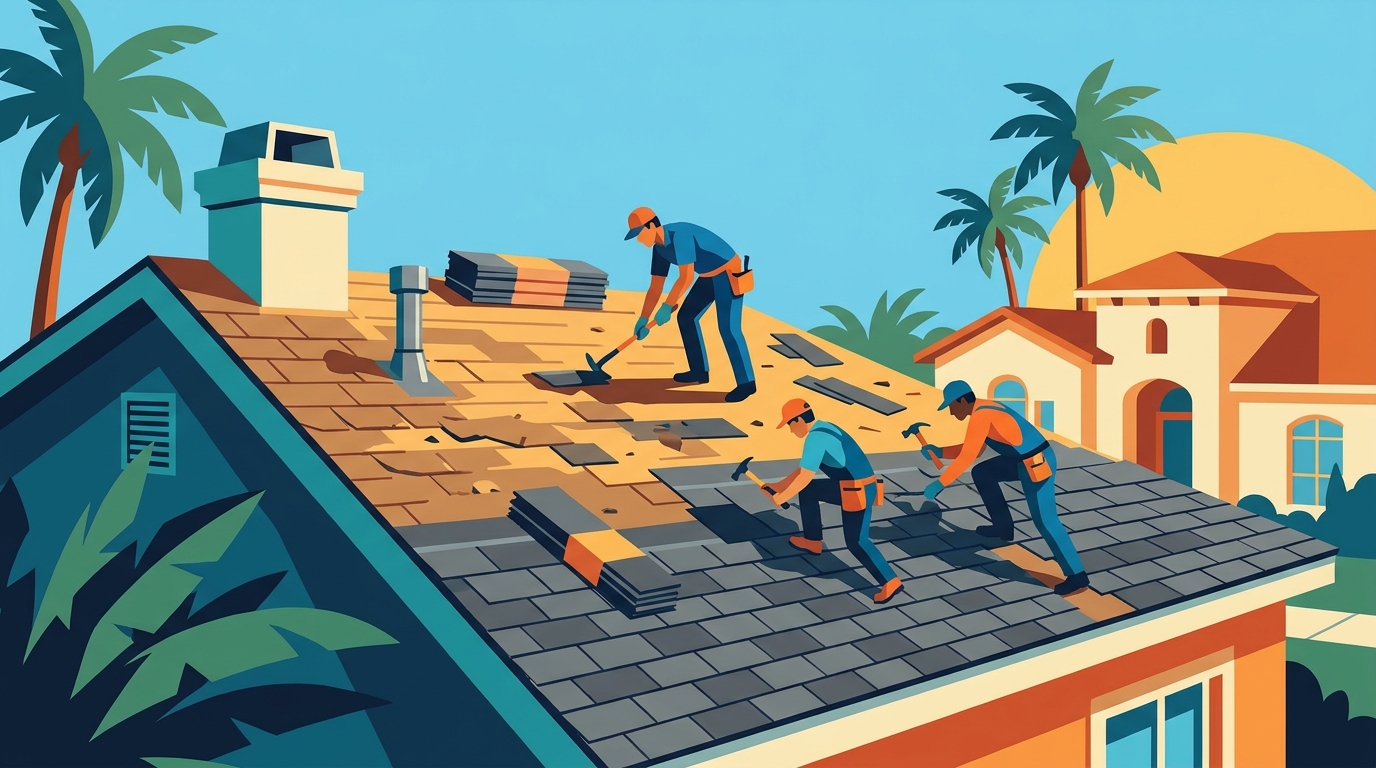
2. Secure or Replace Loose Shingles
One lifted shingle becomes a peeled section once wind gets underneath. Tabs that don't sit flat should be re-sealed with roofing cement or replaced.
3. Verify Hurricane Straps and Roof Deck Attachment
Florida's wind mitigation inspection — separate from a roof inspection — checks for hurricane clips, deck nailing patterns, and roof shape. A passing report can also lower your homeowners insurance premium, sometimes substantially. If your home hasn't had one recently, it's worth scheduling.
4. Install or Inspect a Secondary Water Barrier
Required on reroofs in Sarasota County, a secondary water barrier (typically peel-and-stick membrane over the sheathing seams) keeps water out even if shingles or tiles are stripped away. If your roof predates this requirement, ask whether your next reroof will include it — the answer should be yes.
5. Clear Gutters and Trim Overhanging Branches
Clogged gutters back water up under shingles. Overhanging limbs become missiles in a hurricane. Both are easy to address in May.
6. Document Everything
Take dated photos of the roof, attic, and exterior before the season. If you do file a claim, before-and-after documentation makes the process dramatically smoother.
When to Repair Versus Reroof
This is the question we get most often from Sarasota homeowners in the spring. The honest answer depends on the age, material, and condition of the existing system.
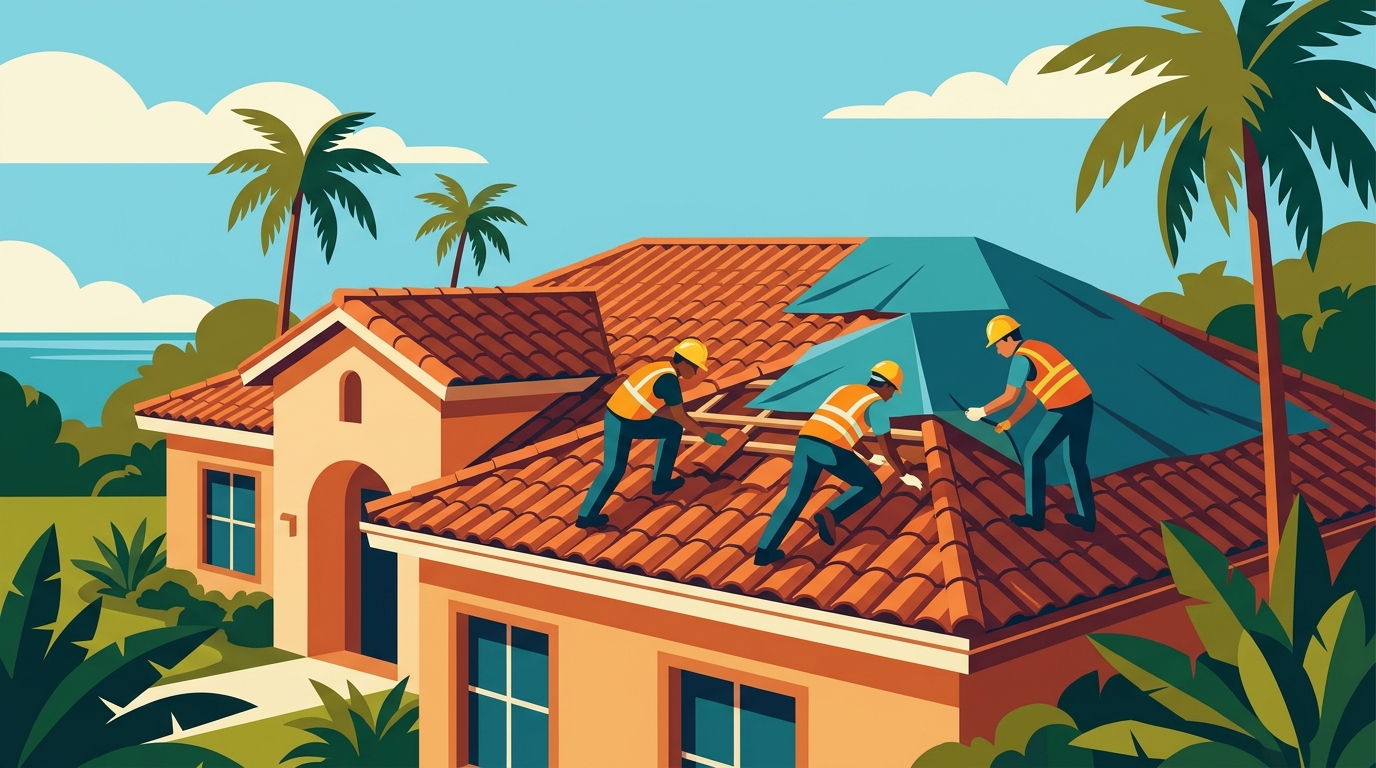
Asphalt shingle roofs in Sarasota's climate typically last 15 to 20 years — sometimes less on west-facing slopes with heavy sun exposure. Concrete tile lasts longer, but the underlayment beneath it doesn't; tile roofs often need underlayment replacement at the 20-to-25-year mark even when the tiles themselves are fine.
If your roof is past 15 years and showing multiple problem areas, spot repairs before hurricane season are a bridge, not a solution. A full replacement using current code-compliant materials is what actually protects the home. SCM Roofing has installed GAF systems across Sarasota County and holds GAF Master Elite certification — a credential one recent reviewer specifically called out as a factor in choosing the company.
FAQs: Sarasota Hurricane Roof Prep
When is the best time to inspect my roof before hurricane season?
April and May. Inspectors and roofers have availability, materials are in stock, and you have time to schedule any necessary work before June 1.
Does my homeowners insurance require a roof inspection?
Many Florida insurers now require a roof condition certification, especially for homes over 10 years old. Policy renewals in Sarasota have been getting stricter on this. Check with your carrier.
Will reroofing lower my insurance premium?
Often yes, particularly if the new roof qualifies for wind mitigation credits. A current four-point and wind mitigation inspection following the reroof is how those credits get applied.
What should I do if a storm is already in the forecast?
At that point, focus on what you can still control: clear loose yard debris, document the roof's current condition with photos, and confirm your insurance information is accessible. Emergency roof work in the 72 hours before a named storm is difficult to schedule and rarely a good value.
How do I know if a roofer is qualified to work in Sarasota?
Verify they hold a Florida state roofing contractor license, carry workers' comp and liability insurance, and pull permits through Sarasota County. Manufacturer certifications (like GAF Master Elite) are an additional signal of training and accountability.
The Bottom Line for Sarasota Homeowners
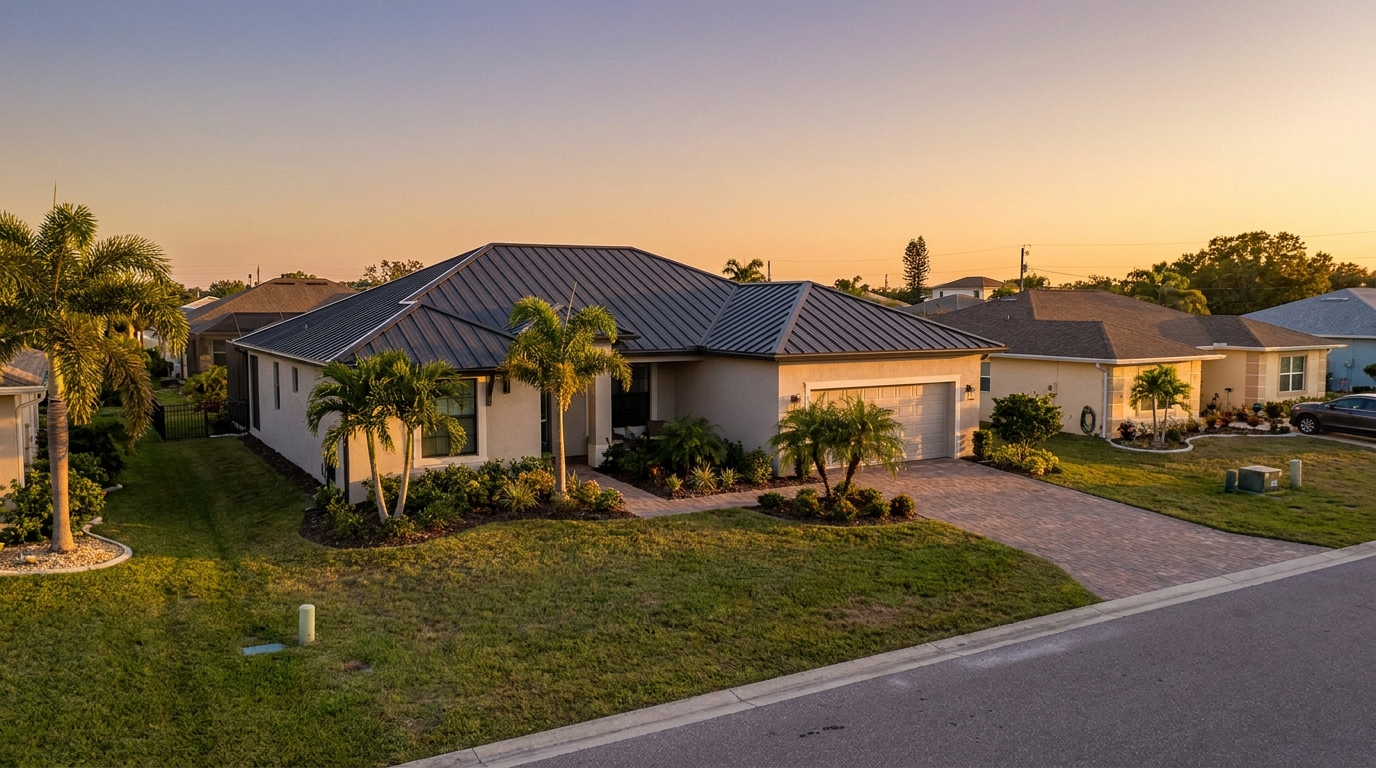
Hurricane preparation isn't about predicting which storm will hit — it's about making sure your roof can handle the one that does. The homes that come through a season intact are almost always the ones whose owners did the unglamorous work in April and May: the inspection, the resealing, the flashing replacement, the documentation.
Homeowners in Sarasota who want a professional assessment before this season can reach SCM Roofing, LLC at https://scmroofingfl.com for a free inspection and estimate. With a 4.9-star rating across more than 200 Google reviews and GAF Master Elite certification, the company is a reasonable starting point for homeowners weighing whether to repair, reroof, or simply get a clearer picture of what's overhead.